Premium Choice
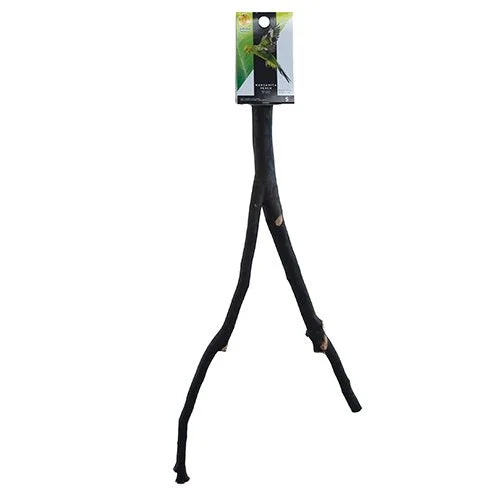
Caitec Featherland Paradise Multi-Branch Manzanita Perch
Caitec's Multi-Branch Manzanita Perch offers several documented hardwood grip points for parrots with enough cage space.

Some links on this page are affiliate links. We may earn a commission if you buy through them, at no extra cost to you. This never changes our research or which products we recommend.
Caitec's Multi-Branch Manzanita Perch offers several documented hardwood grip points for parrots with enough cage space.
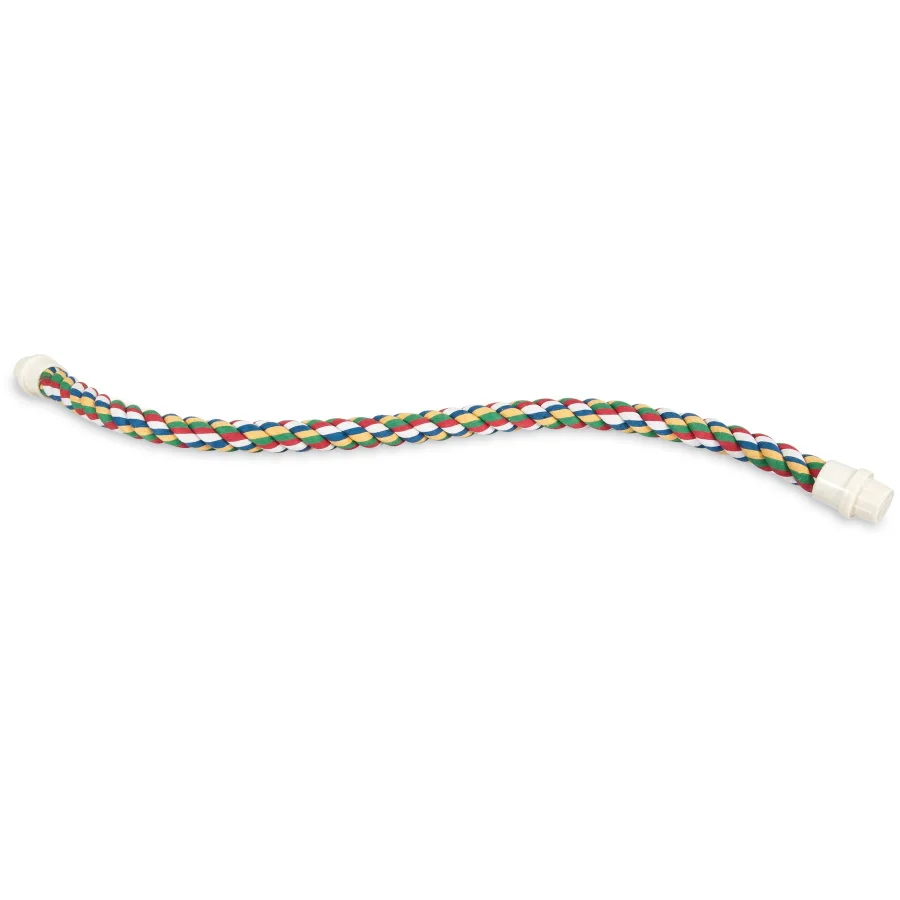
JW Pet's Comfy Perch is an easy, affordable way to add route variety and a second texture to many small-bird cages.
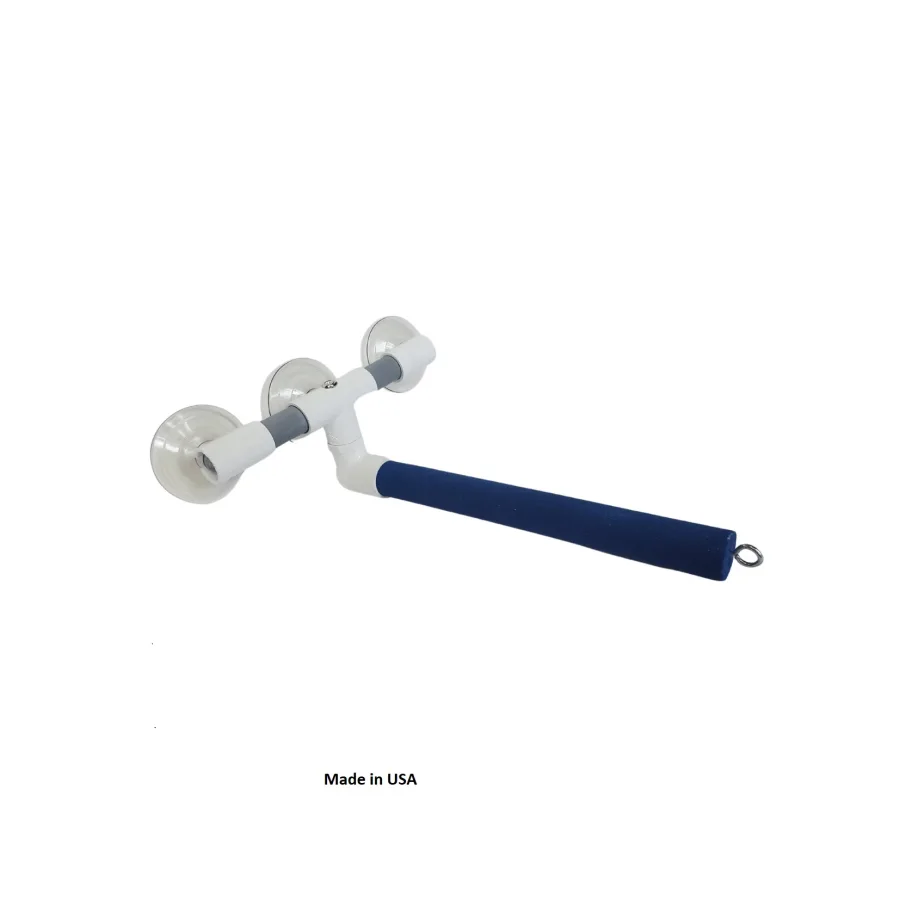
Polly's Sandy Window/Shower Perch provides a documented fold-away, suction-mounted option for supervised large-parrot shower or window use.
Filter by feature:
Polly's Sandy Window/Shower Perch is a fold-away textured perch that mounts to a smooth, nonporous surface with suction cups. The current manufacturer page lists a large 12-by-22-inch model with a 1.5-inch diameter for large parrots. Confirm every suction cup before use, keep the bird supervised away from hot water and cleaners, and stop using the rough surface if feet become irritated.
Why we recommend it
A premium pick for owners who want a known grooming-perch line while still keeping a varied perch layout.
Pros
Cons
Best for
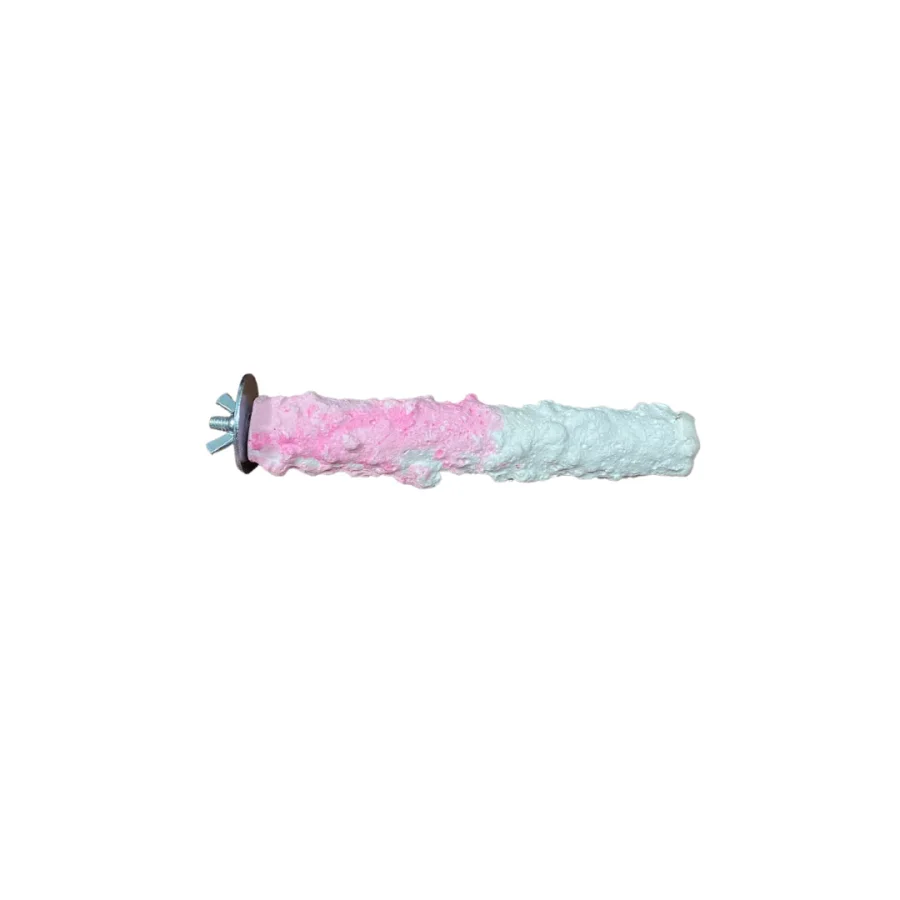
Polly's Banana Split Cuttlebone Calcium Perch is an edible perch made with real cuttlebone and ground calcium. The linked medium version measures 7 by 1 inch and is marketed for medium birds. Because birds can chew and ingest it, treat it as a dietary supplement rather than the only standing surface; confirm calcium needs with an avian veterinarian and replace the perch if wear creates an unstable shape.
Why we recommend it
A solid supplemental perch for parrots that benefit from more texture but do not need every perch to feel the same.
Pros
Cons
Best for
JW Pet Activitoys Comfy Perch is a bendable rope perch marketed for budgies, cockatiels, and similar birds when the rope diameter fits the feet safely. Flexible perches can create new routes and rest spots, but rope fibers still need routine inspection for fraying or chewing damage. Perch diameter and surface texture need to match the bird's feet so the toes can wrap comfortably without staying in one fixed position all day. Abrasive or mineral-textured perches are usually best used as part of a mixed perch layout rather than as the only place a bird stands.
Why we recommend it
A good value rope-perch option for owners who want to break up a cage full of straight dowels.
Pros
Cons
Best for
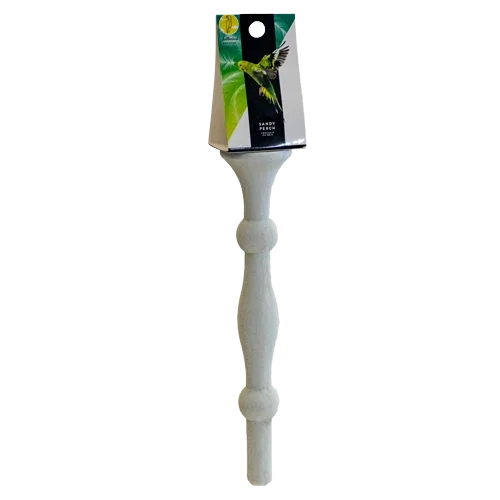
Caitec Featherland Paradise Sand Perch is a 9.5-inch rough-surface perch with varying thickness, marketed for small birds. Its sand coating is intended to add traction and normal nail wear, but it is better used as one station than as the main all-day roost. Perch diameter and surface texture need to match the bird's feet so the toes can wrap comfortably without staying in one fixed position all day. Inspect feet for redness or pressure and remove any abrasive perch that causes irritation.
Why we recommend it
Worth considering for owners who want a simple, widely sold grooming-style perch at a more moderate price point.
Pros
Cons
Best for
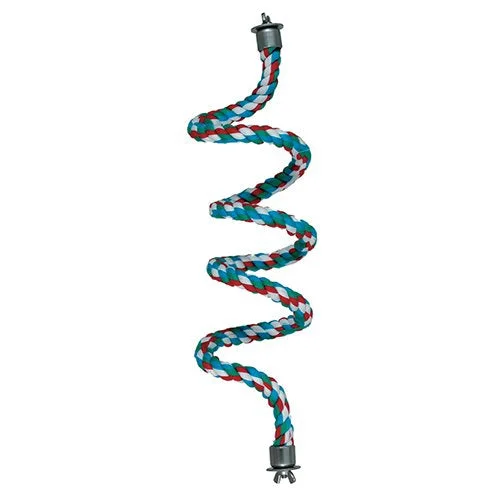
Caitec Featherland Paradise Curled Cotton Perch is a soft cotton-rope perch with an internal wire that can be bent into different climbing routes. The maker offers it in two sizes for medium and large birds. Cotton fibers need frequent inspection, especially with birds that chew rope; remove the perch if strands loosen or fray. Diameter and route placement still need to fit the bird and leave safe cage clearance.
Why we recommend it
A practical supplemental perch when you want layout flexibility without moving to a full branch-perch setup.
Pros
Cons
Best for
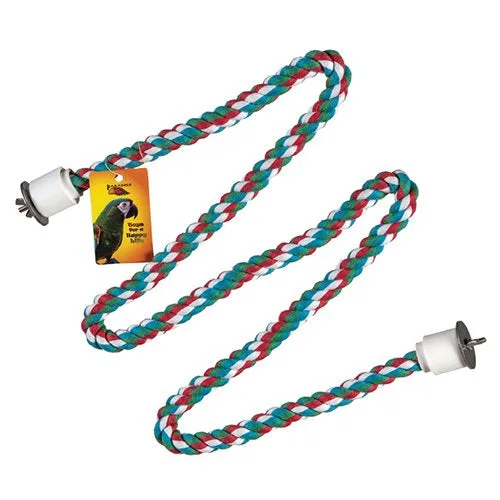
Caitec Featherland Paradise Cotton Zig Zag Perch uses soft cotton rope over an internal wire that can be bent into different routes. The maker offers two sizes for medium and large birds. Match the diameter to the bird, keep bends broad enough to avoid pinching or trapping, and inspect the cotton frequently; remove the perch as soon as chewing creates loose fibers or loops.
Why we recommend it
Best for owners wanting a better-known rope-perch line for conure-to-cockatiel size birds.
Pros
Cons
Best for
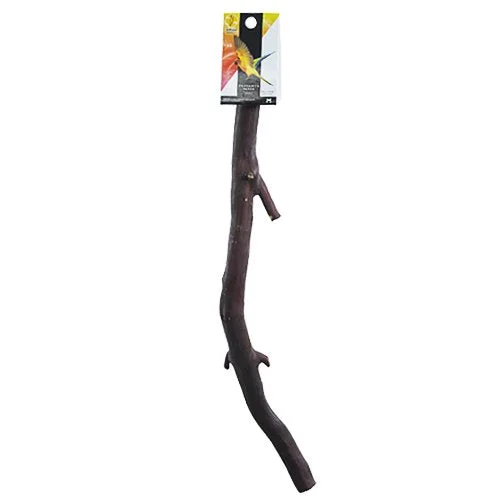
Caitec Featherland Paradise Manzanita Perch is a hard, smooth natural-wood perch sold in 0.5-, 0.75-, and 1.5-inch diameters with corresponding lengths of 12, 15, and 16 inches. Multiple diameters can vary foot position, but the selected size still has to let the bird wrap its toes comfortably. Its hardness does not make it indestructible, so inspect the wood and mounting hardware regularly.
Why we recommend it
A straightforward entry point for owners upgrading from only smooth factory dowels to a more varied layout.
Pros
Cons
Best for
Caitec Featherland Paradise Multi-Branch Manzanita Perch uses dense hardwood branches with natural variation and is offered in three listed sizes from 0.5 to 1.5 inches thick. The branches create several standing points in one fixture, but the footprint and hardware must fit the cage without blocking movement. Confirm the actual diameter for the bird and inspect both wood and mount as the perch wears.
Why we recommend it
A premium branch-style perch for parrots that benefit from more natural variation than a straight single rod provides.
Pros
Cons
Best for
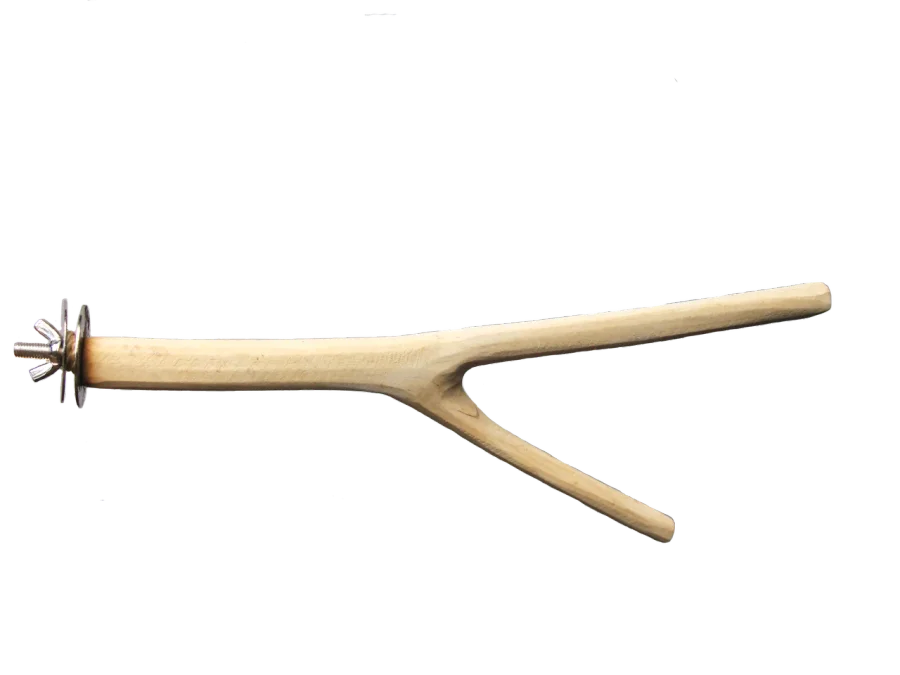
Planet Pleasures Coffeewood Perch is a natural-wood perch offered in mini, small, and medium versions; the listed footprints range from 5 by 9 inches to 10 by 17 inches, with the larger model about 1.5 inches deep. Natural pieces can vary, so choose by actual diameter and cage clearance rather than species label alone. Inspect the wood and mounting point and keep other diameters available.
Why we recommend it
A strong natural-wood option for owners who specifically want branch irregularity and are willing to confirm the actual piece size.
Pros
Cons
Best for
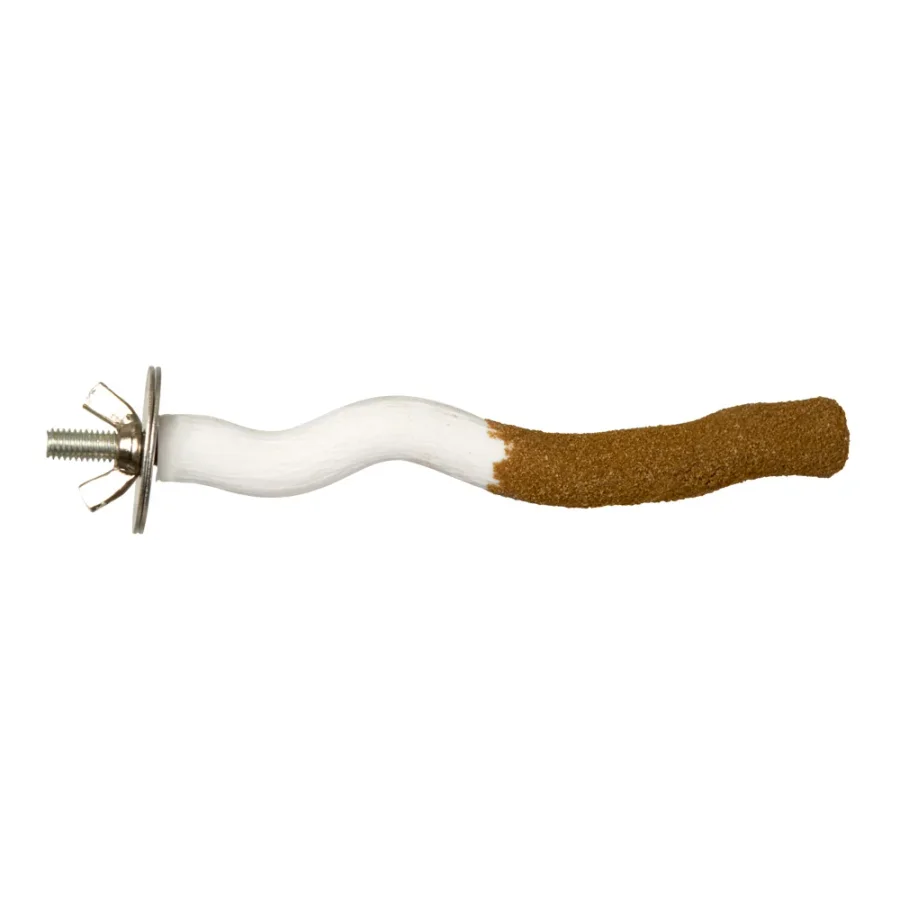
Caitec Featherland Paradise Grooming Perch has a rough surface intended to provide normal nail wear and comes in six sizes for different birds. It belongs in a mixed layout with smoother rope and natural-wood resting stations rather than serving as the only perch. Match its diameter to the bird, inspect feet frequently, and remove it if the surface causes redness, pressure, or avoidance.
Why we recommend it
Useful as a supplemental grooming perch for owners who want a pumice-style option without replacing every perch in the cage.
Pros
Cons
Best for
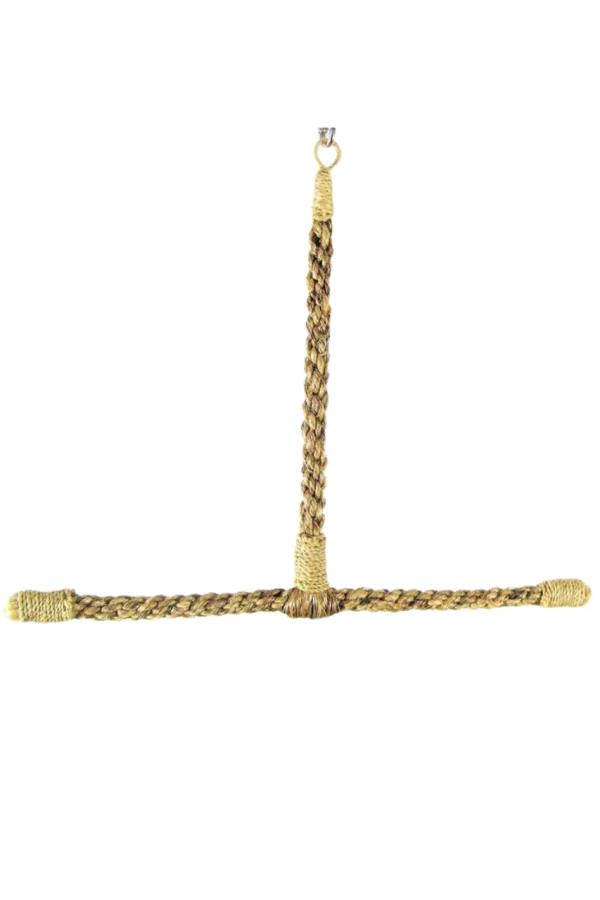
Planet Pleasures T-Perch wraps moisture-resistant abaca fiber tightly around a bendable wire frame. Small, medium, and large versions use listed rope diameters of 0.5, 0.75, and 1 inch. The flexible T shape can add a climbing route for parrots, but it takes substantial space and all exposed fibers need frequent inspection. Remove it promptly if chewing creates loose loops or strands.
Why we recommend it
A shapeable abaca route for owners who have measured both foot fit and the unusually wide T-shaped footprint.
Pros
Cons
Best for
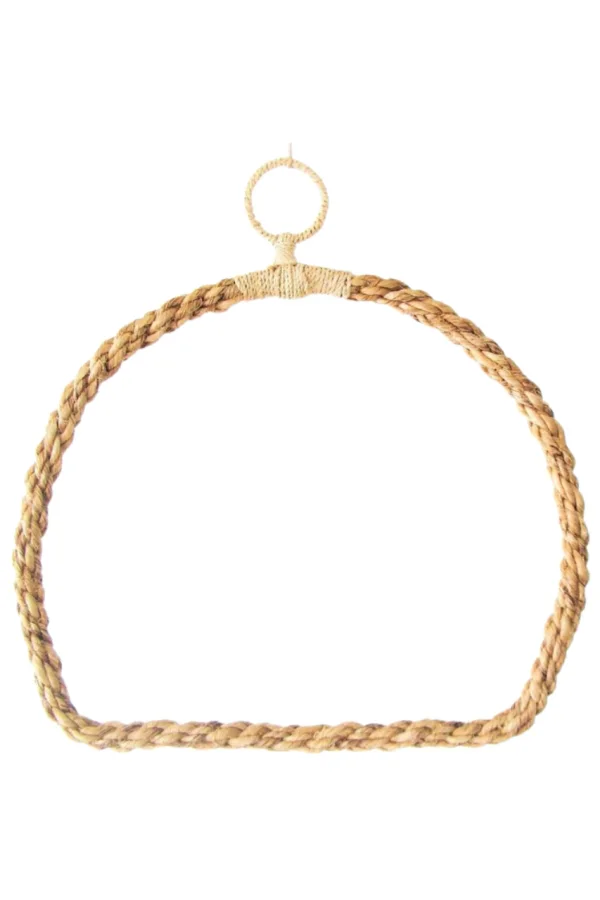
Planet Pleasures D-Perch is a hanging D-shaped swing made from heavy abaca rope wrapped around wire. It comes in small, medium, and large versions with listed rope diameters of 0.5, 0.75, and 1 inch. Size by both grip diameter and the 15- to 20-inch overall height, and leave clearance for movement. Inspect the fiber and hanger routinely and remove the perch if strands or loops become loose.
Why we recommend it
A documented multi-size rope swing for parrots that enjoy a moving perch and have adequate cage clearance.
Pros
Cons
Best for