Lucky dressed in a bird costume

Discover the Best Cage Liners

Compare products using researched specifications, features, and retailer information.

Last reviewed:

Overview

About Cage Liners

Cage liners are a quiet but important part of bird husbandry because they affect cleanup speed, odor management, and how easily you can monitor droppings. Flat paper sheets, pre-cut disposable liners, and deeper paper substrates all serve different roles depending on cage design and whether the bird is separated from the tray by a grate. These picks focus on honest husbandry use cases rather than treating every paper product as interchangeable.

Some links on this page are affiliate links. We may earn a commission if you buy through them, at no extra cost to you. This never changes our research or which products we recommend.

Our Top Picks

Prevue Pet Products T3 Bird Cage Liner Bulk Roll 18030 product image
Premium Choice

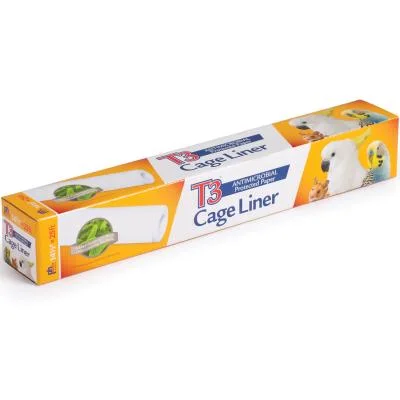
Prevue Pet Products T3 Bird Cage Liner Bulk Roll 18030

Prevue's 18-inch T3 bulk roll is a practical cut-to-fit format for measured pans that need frequent white-paper changes.

Prevue Pet Products T3 Bird Cage Liner Box 18015 product image
Best Value

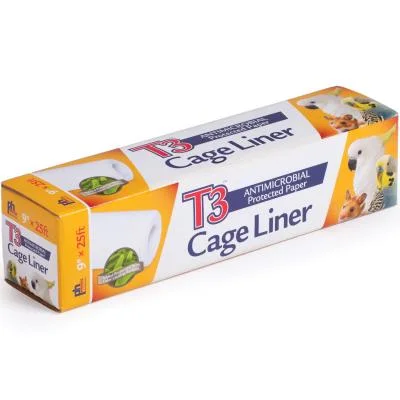
Prevue Pet Products T3 Bird Cage Liner Box 18015

Prevue's 9-inch T3 boxed roll minimizes trimming for narrow pans while keeping droppings visible on white paper.
Prevue Pet Products T3 Bird Cage Liner Bulk Roll 18040 product image
Most Popular

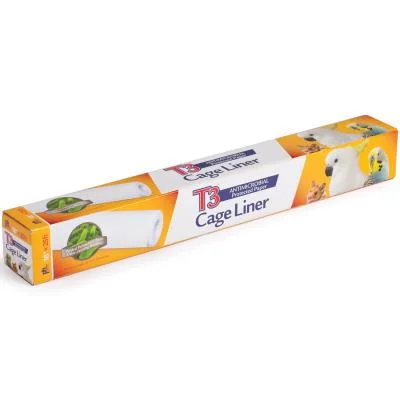
Prevue Pet Products T3 Bird Cage Liner Bulk Roll 18040

Prevue's 21.5-inch T3 bulk roll provides a documented wide format for larger measured cage pans.

Filter by feature:

Prevue Pet Products T3 Bird Cage Liner Bulk Roll 18030 product image
Cut-to-Fit Paper

Prevue Pet Products T3 Bird Cage Liner Bulk Roll 18030

Cut-to-Fit PaperLarger Cage Pans

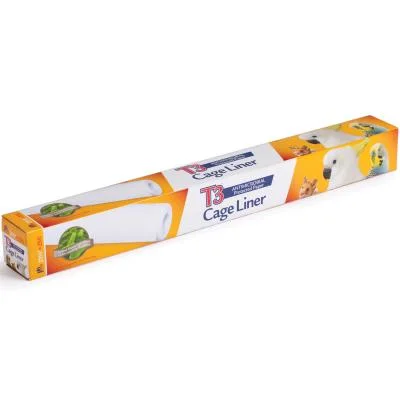
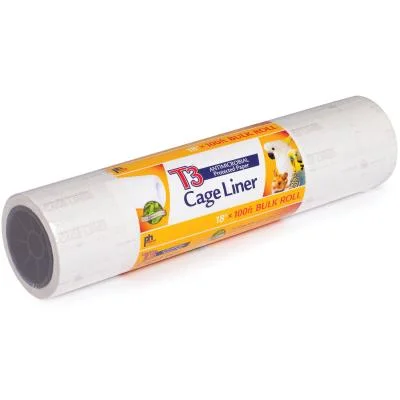
Prevue Pet Products T3 Bird Cage Liner Bulk Roll 18030 is an 18-inch-wide, 100-foot white liner roll made in the USA with an all-natural mineral coating. Cut sections to the tray dimensions and keep the paper below the cage grate so the bird cannot chew it. White flat paper supports droppings monitoring, but the antimicrobial coating does not replace frequent changes or routine tray cleaning.

Why we recommend it

A premium paper-liner pick for owners who want a simple, husbandry-first cleanup format rather than loose substrate.

Pros

  • Easy droppings visibility
  • Simple fast changes
  • Straightforward paper format

Cons

  • Needs replacement often
  • Flat sheets still require size matching to the tray

Best for

Daily bottom-paper changes18-inch-wide measured cage pans
Prevue Pet Products T3 Bird Cage Liner Bulk Roll 18040 product image
Cut-to-Fit Paper

Prevue Pet Products T3 Bird Cage Liner Bulk Roll 18040

Cut-to-Fit PaperLarger Cage Pans

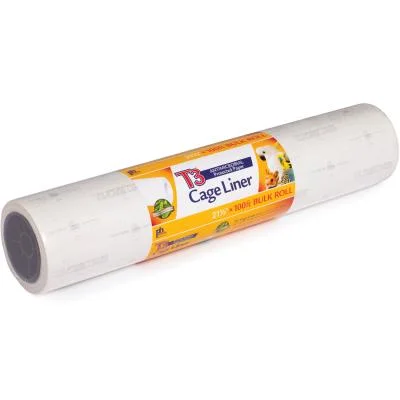
Prevue Pet Products T3 Bird Cage Liner Bulk Roll 18040 is a 21.5-inch-wide, 100-foot white roll with the maker's all-natural mineral coating. The larger width suits measured cage pans that can be lined below a grate, and the roll can be cut to length. Change soiled sections promptly and continue normal washing; a coated liner is not a reason to leave droppings in place longer.

Why we recommend it

A wide bulk-roll option for owners who have measured the pan and change white liner paper frequently.

Pros

  • Quick replacement process
  • Useful with compatible tray sizes
  • Recognizable cage brand

Cons

  • Only convenient if the size actually matches
  • Still a recurring disposable cost

Best for

21.5-inch-wide cage pansFast routine bottom changes
Prevue Pet Products Cage Liners 18100 product image
Disposable Pads

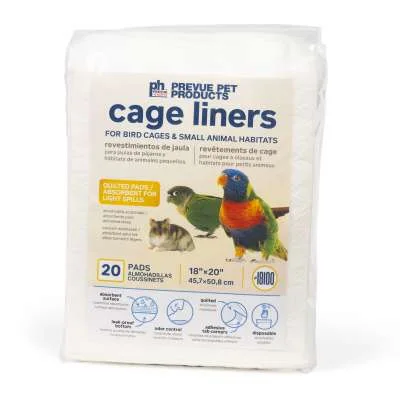
Prevue Pet Products Cage Liners 18100

Disposable PadsLarger Cage Pans

Prevue Pet Products Cage Liners 18100 are white, ink-free quilted disposable pads that open to 18 by 20 inches. Each pad has absorbent paper and fiber layers, a leak-resistant bottom, and adhesive corner tabs; Prevue instructs bird owners to place it under the floor grille. The white surface can help droppings monitoring, but pads still need prompt changing and must remain inaccessible to chewing birds.

Why we recommend it

The only quilted pad here, with a documented 18-by-20-inch size, leak-resistant backing, and under-grille instructions.

Pros

  • White ink-free surface
  • Leak-resistant backing
  • Adhesive corner tabs

Cons

  • Must remain below the grille
  • May need trimming for smaller trays

Best for

18-by-20-inch cage pansOwners wanting an absorbent disposable pad
Prevue Pet Products T3 Bird Cage Liner Box 18015 product image
Cut-to-Fit Paper

Prevue Pet Products T3 Bird Cage Liner Box 18015

Cut-to-Fit PaperSmall Bird Cages

Prevue Pet Products T3 Bird Cage Liner Box 18015 contains a 9-inch-wide, 25-foot white roll with an all-natural mineral coating. Its narrow format can reduce trimming for small cage pans, but measure the tray before purchase and place cut sections below the grate. Replace paper whenever wet or soiled and inspect the roll section for damage; the coating does not replace sanitation.

Why we recommend it

A narrow documented roll that can reduce trimming in small measured cage pans.

Pros

  • Documented 9-inch width
  • Easy everyday use
  • Good for droppings visibility

Cons

  • Exact tray fit may still vary
  • Less relevant for owners wanting deeper substrate

Best for

Budgie and finch cagesOwners preferring paper over loose litter
Prevue Pet Products T3 Bird Cage Liner Box 18025 product image
Disposable Pads

Prevue Pet Products T3 Bird Cage Liner Box 18025

Disposable PadsSmall Bird Cages

Prevue Pet Products T3 Bird Cage Liner Box 18025 is a 14.5-inch-wide, 25-foot white roll made in the USA with an all-natural mineral coating. Cut only the length needed for a measured tray and keep it below the floor grate. Flat white liner sections make routine changes and droppings checks straightforward, but any wet or heavily soiled section should be replaced without delay.

Why we recommend it

A 14.5-inch boxed roll for owners who want cut-to-length white paper without buying a 100-foot roll.

Pros

  • Documented 14.5-inch width
  • Easy to keep a routine
  • Simple category-specific product

Cons

  • Still needs cutting to length
  • Width may not match every tray

Best for

Busy householdsOwners who want grab-and-go liner changes
Prevue Pet Products T3 Bird Cage Liner Box 18035 product image
Disposable Pads

Prevue Pet Products T3 Bird Cage Liner Box 18035

Disposable PadsSmall Bird Cages

Prevue Pet Products T3 Bird Cage Liner Box 18035 contains an 18-inch-wide, 25-foot white roll with an all-natural mineral coating. It is a shorter boxed alternative to the 100-foot bulk roll for trays that fit its width. Use only below the grate, cut cleanly to the pan, and replace sections based on moisture and soiling rather than relying on antimicrobial marketing.

Why we recommend it

A shorter 18-inch roll for households that do not need the same width in a 100-foot bulk format.

Pros

  • Documented 18-inch width
  • White monitoring surface
  • Purpose-built bird liner

Cons

  • Still needs cutting
  • Mineral coating does not replace cleaning

Best for

Routine liner rotationOwners choosing between 25- and 100-foot rolls
Prevue Pet Products T3 Bird Cage Liner Box 18045 product image
Cut-to-Fit Paper

Prevue Pet Products T3 Bird Cage Liner Box 18045

Cut-to-Fit PaperLarger Cage Pans

Prevue Pet Products T3 Bird Cage Liner Box 18045 is a 21.5-inch-wide, 25-foot white liner roll with an all-natural mineral coating. The broad roll is intended to be cut for larger measured pans while remaining below the grate. Its white surface supports visual checks, but routine changes, washing, and keeping birds from chewing the liner remain essential.

Why we recommend it

The widest boxed T3 roll, suited to measured large pans that need less material than the bulk version.

Pros

  • Documented 21.5-inch width
  • White monitoring surface
  • Purpose-built bird liner

Cons

  • Must be cut to length
  • Needs a secure grate above it

Best for

Wide grate-separated cage pansOwners wanting a 25-foot roll
carefresh Natural Paper Small Animal Bedding product image
Recycled Paper

carefresh Natural Paper Small Animal Bedding

Recycled PaperLow Dust

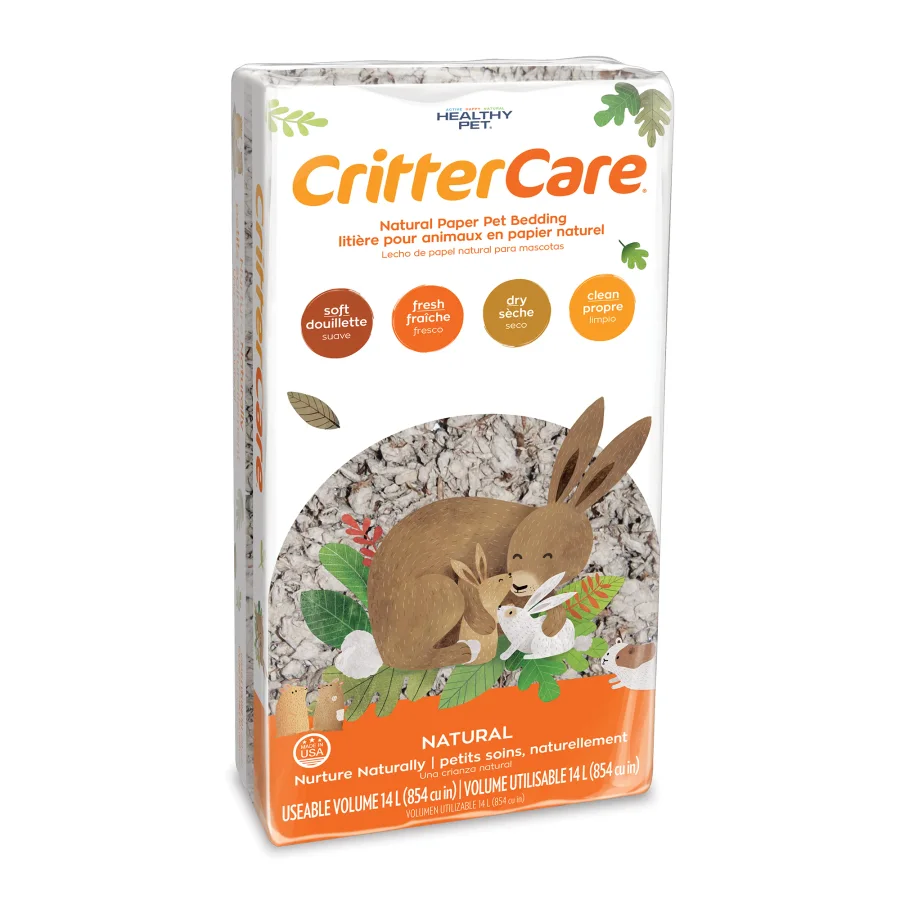
carefresh Natural Paper Small Animal Bedding is loose paper-fiber bedding sold in 14-, 27-, and 60-liter natural variants. It is a small-animal product rather than a bird liner, so its narrow bird use is limited to a deep pan fully separated by a grate; flat white paper remains better for seeing droppings. Never let a bird forage in soiled bedding, and replace any damp substrate promptly.

Why we recommend it

Best reserved for owners intentionally shopping a paper substrate role rather than a plain liner sheet.

Pros

  • Soft paper substrate feel
  • Commonly available
  • Useful in some tray-separated setups

Cons

  • Not ideal for every bird cage
  • Less clear droppings monitoring than flat paper

Best for

Carrier bottoms or grate-separated traysOwners comparing substrate-style paper products
Kaytee Clean & Cozy Natural Paper Bedding product image
Low Dust

Kaytee Clean & Cozy Natural Paper Bedding

Recycled PaperLow Dust

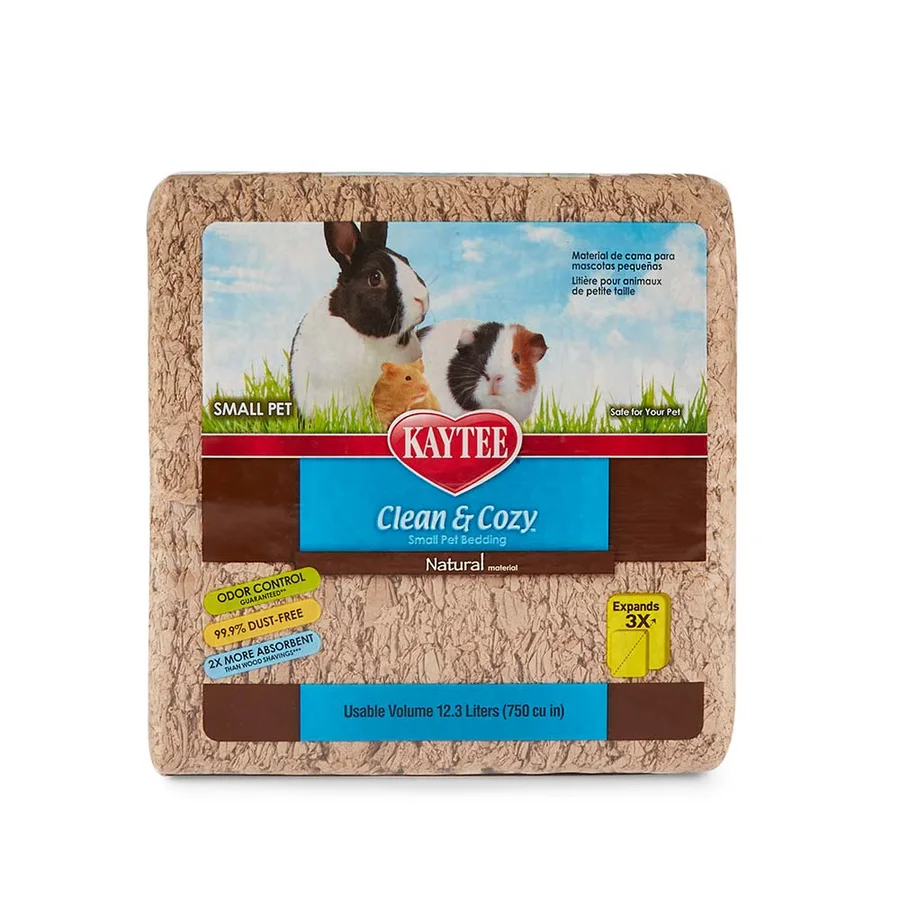
Kaytee Clean & Cozy Natural Paper Bedding is a fragrance-free small-animal bedding made from 100% recycled natural paper; Kaytee lists it as 99.9% dust-free. It is not marketed as a bird-cage liner, so use it only in a deep tray that is fully separated from the bird by a grate. Loose bedding hides droppings more than flat white paper and should be removed immediately when wet or soiled.

Why we recommend it

A practical alternate when an owner specifically wants paper bedding under a grate rather than flat paper sheets.

Pros

  • Easy to source
  • Paper-based substrate option
  • Useful in some larger tray setups

Cons

  • Not a classic cage-liner sheet
  • Can hide droppings changes more than flat paper

Best for

Large separated tray pansOwners committed to paper bedding instead of sheets
Small Pet Select Soft Paper Bedding product image
Low Dust

Small Pet Select Soft Paper Bedding

Low DustLarger Cage Pans

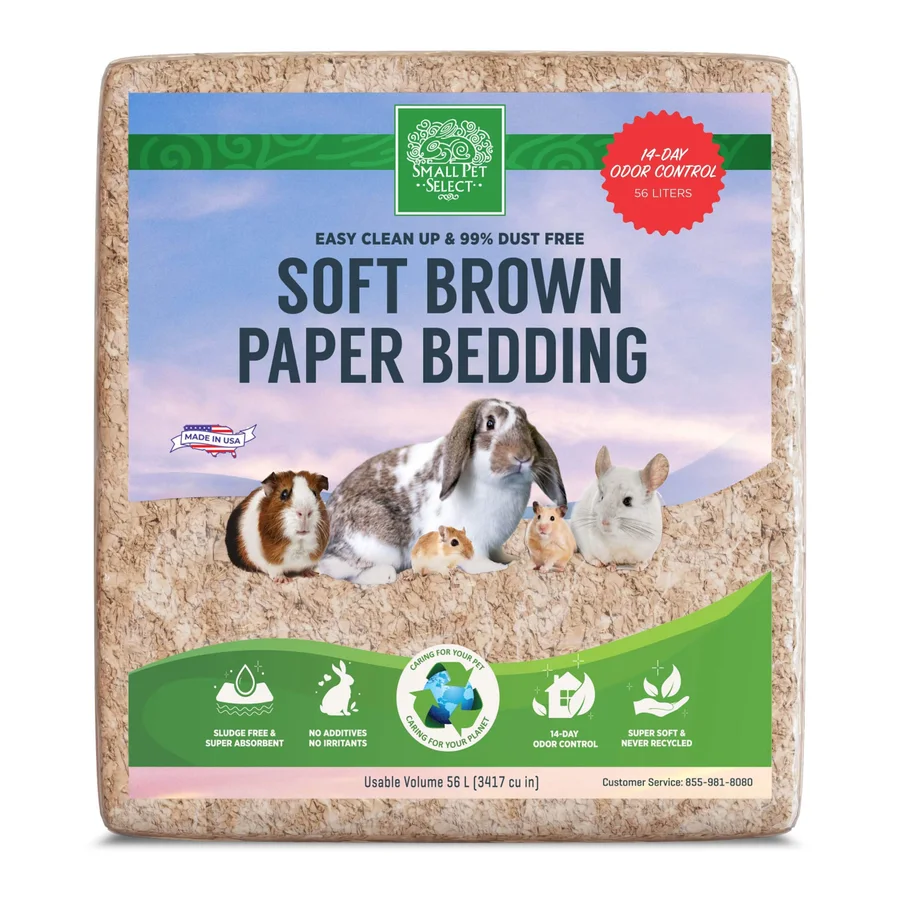
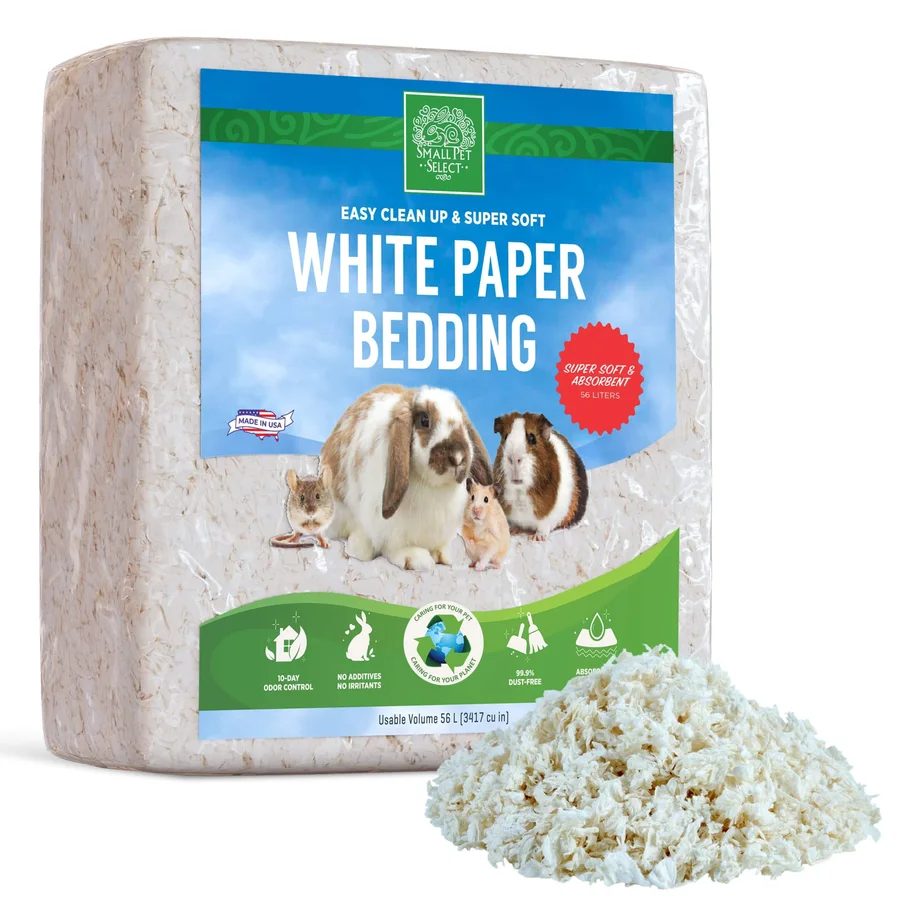
Small Pet Select Soft Paper Bedding is 100% virgin cellulose fiber bedding that the maker describes as 99% dust-free, without dyes, additives, or recycled print. It is intended for small animals, not as an everyday open bird substrate. If used at all for birds, keep it in a grate-separated pan, remove damp spots at least daily, and use flat white paper instead when close droppings monitoring is important.

Why we recommend it

Best for owners intentionally comparing paper tray substrates and willing to prioritize cage design over convenience marketing.

Pros

  • Paper-based substrate style
  • Useful for selected tray formats
  • Common direct-to-consumer availability

Cons

  • Not ideal for open-contact tray use
  • Less straightforward than plain paper liners

Best for

Owners using grate-separated pansHouseholds comparing paper substrate brands
Oxbow Pure Comfort Natural Bedding product image
Low Dust

Oxbow Pure Comfort Natural Bedding

Low DustLarger Cage Pans

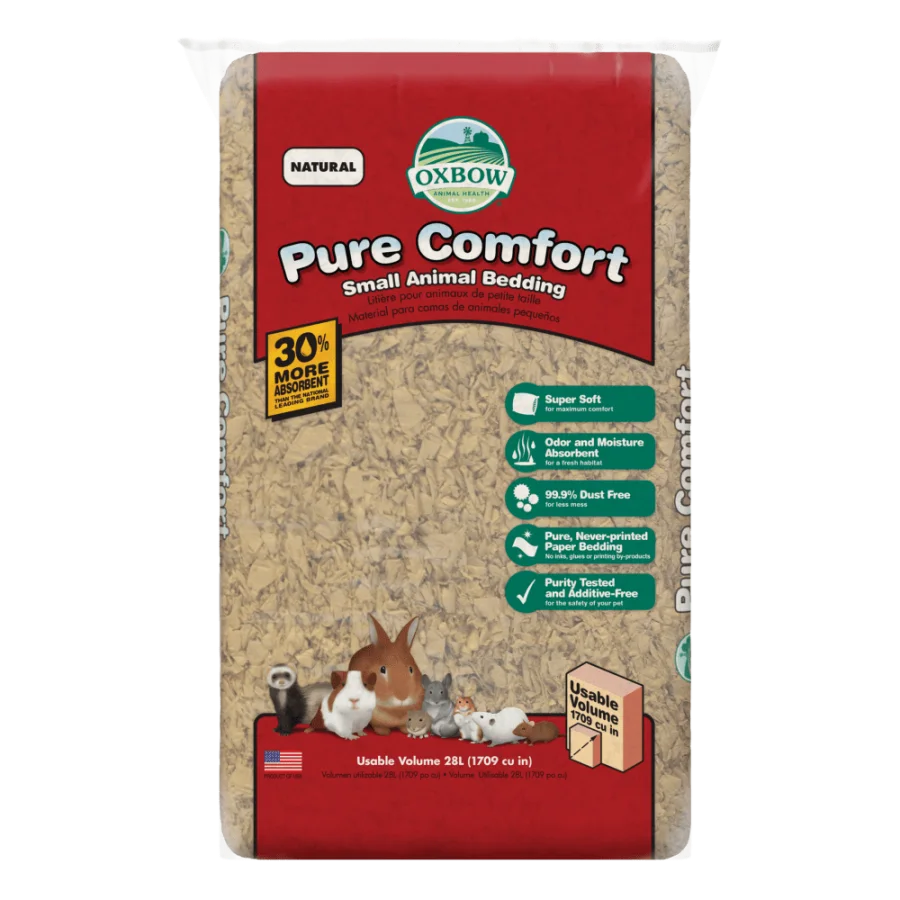
Oxbow Pure Comfort Natural Bedding is loose paper bedding made for small-animal enclosure floors and sold in multiple bag sizes. It is not a bird-specific liner, so its bird use should be restricted to a grate-separated deep pan where the bird cannot contact or eat soiled substrate. Follow the maker's daily spot-check guidance, replace wet material promptly, and prefer flat white paper whenever droppings visibility is the priority.

Why we recommend it

A documented paper-substrate alternative only for large, fully separated pans—not a replacement for visible daily liner paper.

Pros

  • Paper-based substrate
  • Multiple package sizes
  • Simple spot-cleaning instructions

Cons

  • Not marketed for birds
  • Loose bedding obscures droppings

Best for

Large grate-separated pansOwners who understand substrate tradeoffs
Small Pet Select Unbleached White Paper Bedding product image
Low Dust

Small Pet Select Unbleached White Paper Bedding

Low DustLarger Cage Pans

Small Pet Select Unbleached White Paper Bedding is a loose white paper bedding sold for small animals. It is included only as a substrate option for a large pan completely separated from a bird by a grate, never as material a bird should stand or forage in after soiling. Loose fiber can still hide changes in droppings, so inspect the pan daily, remove wet material immediately, and use flat white liner paper when health monitoring matters.

Why we recommend it

A lighter-colored substrate choice for separated pans, with the same visibility and access cautions as every loose bedding.

Pros

  • Light color aids inspection somewhat
  • Paper-based material
  • Direct manufacturer availability

Cons

  • Not a bird-specific product
  • Still less readable than flat paper

Best for

Large pans under secure gratesShort-term carrier or tray setups
Buying Guide

How to Choose Cage Liners

Flat paper is usually the easiest format for routine bird care because it makes droppings visible and quick to change. That is especially helpful for small birds, for monitoring health changes, and for homes that clean often. If a cage tray and grate design work well with paper, you may not need anything more complex.

Loose paper substrate has a narrower role. It makes the most sense in pans or carriers where the bird is separated from the soiled material and where the owner is comfortable trading some droppings visibility for a different cleanup style. We would be cautious about any aromatic or non-paper substrate in a typical indoor bird setup.

Avoid focusing only on absorbency claims. Ease of changing, dust level, and the ability to notice abnormal droppings are often more important in day-to-day bird care than whether the package sounds ultra-premium. The right liner is usually the one you will actually replace often and correctly.

If a bird is eating substrate, the tray design keeps droppings too close to the bird, or droppings suddenly change in color or consistency, involve an avian veterinarian and reassess the enclosure setup. Liners are a husbandry tool, not a fix for health problems.

Frequently Asked Questions

Is plain paper better than loose litter for bird cages?

Often yes, especially when droppings visibility and fast changes matter. Loose substrates have a narrower role and depend more on the specific cage-tray design.

Can I use newspaper instead?

Many owners do, as long as the paper is clean and changed frequently. Commercial liners are mostly about convenience, sizing, and consistency.

Should birds touch the cage liner directly?

Usually no. A grate or similar separation is preferred in many cage designs so the bird is not standing in soiled material.

How often should I change cage liners?

As often as needed to keep the bottom dry, readable, and sanitary. For many indoor pet birds, that means at least daily paper changes or even more often in messy setups.

Methodology

How We Reviewed This

Last reviewed:

We compared cage-bottom products by whether they support clear droppings monitoring, fast cleanup, realistic fit for common cage trays, and appropriate bird-husbandry roles. We excluded price and stock shifts, and we were deliberately cautious about deeper substrates because cage design determines whether they are sensible in the first place.

Sources