Premium Choice
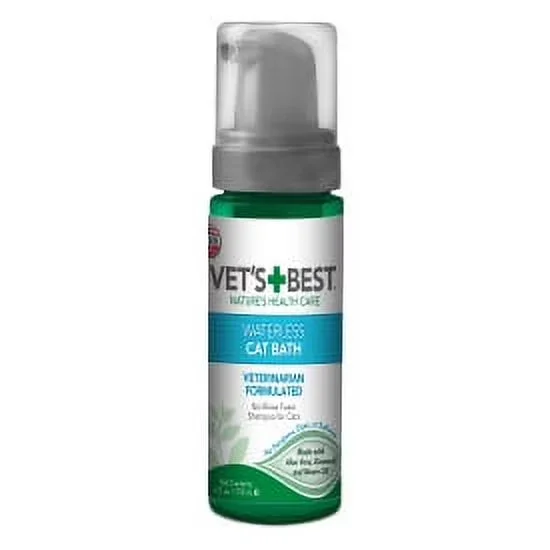
Vet's Best Waterless Cat Bath
Vet's Best Waterless Cat Bath fits how many cats are actually groomed at home: with the least stressful effective cleaning method possible.

Some links on this page are affiliate links. We may earn a commission if you buy through them, at no extra cost to you. This never changes our research or which products we recommend.
Vet's Best Waterless Cat Bath fits how many cats are actually groomed at home: with the least stressful effective cleaning method possible.
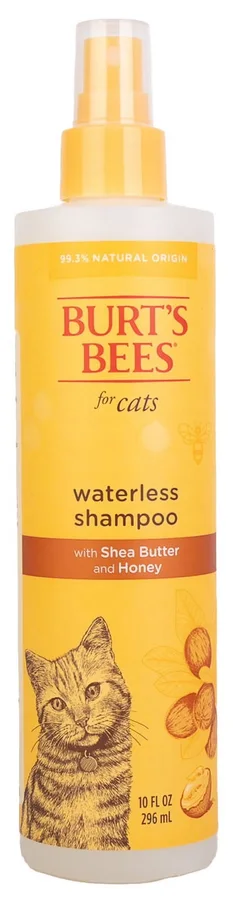
Burt's Bees Waterless Shampoo is an easy-to-find mainstream no-rinse option for owners who want a simple between-bath refresher.
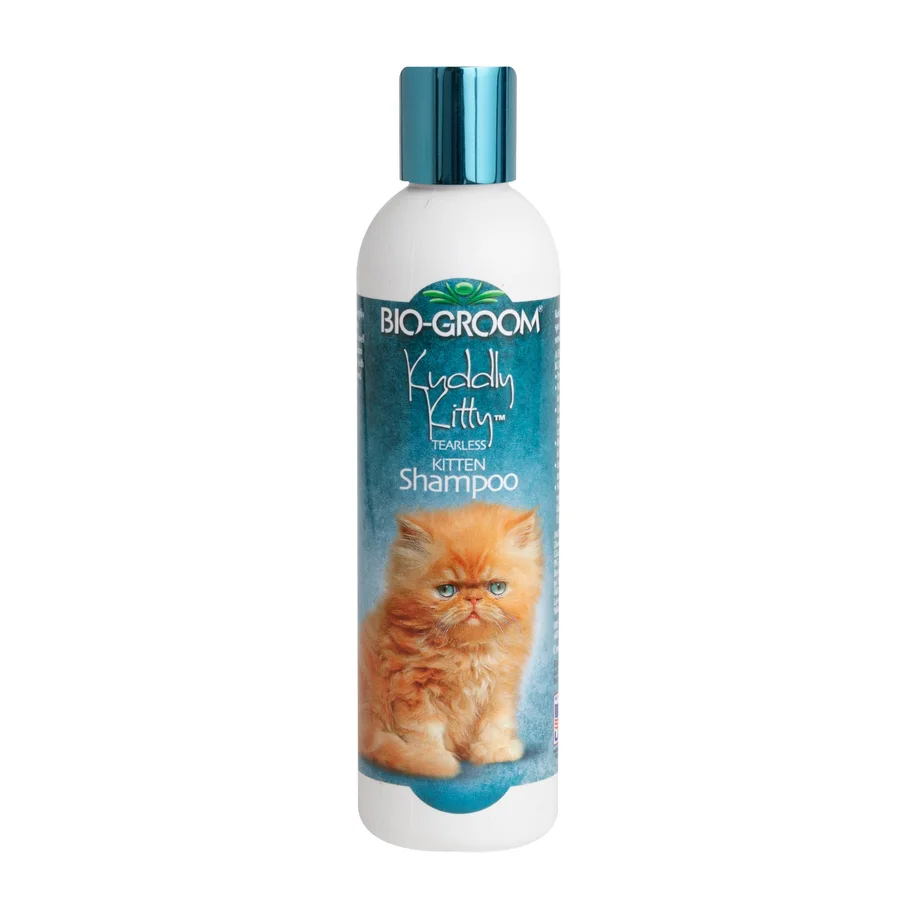
Bio-Groom Kuddly Kitty remains a recognizable cat-specific rinse shampoo for households that truly need a bath product rather than a foam refresh.
Filter by feature:
A no-rinse foam-style cat cleaner designed for quick coat refreshes without a full bath. Waterless formulas are often the most realistic option for routine spot cleaning because many cats do not tolerate immersion bathing well. They can help with light odor and dirt, but they do not replace a veterinary workup for greasy coat change, dandruff, or skin disease.
Why we recommend it
A strong premium waterless option for owners who want a realistic between-bath grooming tool rather than forcing unnecessary full baths.
Pros
Cons
Best for
A widely recognized no-rinse cat grooming option from a mainstream pet-shampoo line. As with other waterless products, the value lies in convenience and light cleaning rather than in making regular full-body bathing necessary. It is best for cats needing occasional refreshes, not for ongoing itching, lesions, or major coat change.
Why we recommend it
A practical mainstream waterless choice for owners who want an easy-to-find cat-specific foam or spray without moving into specialty grooming brands.
Pros
Cons
Best for
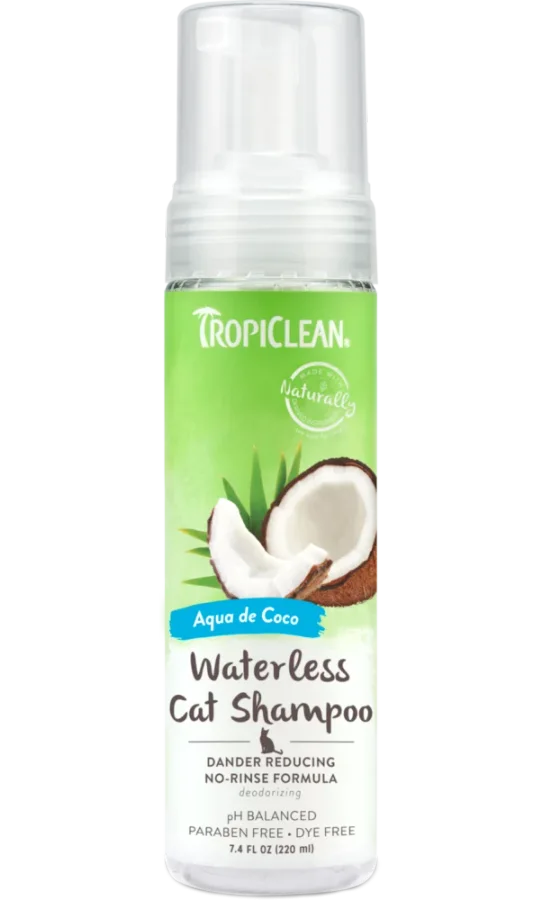
A no-rinse cat shampoo specifically marketed to reduce dander while cleaning and deodorizing the coat. The foaming waterless format is distinct from TropiClean?s hypoallergenic rinse shampoo, so the label and directions should not be interchanged. Dander or itching that persists still warrants veterinary assessment.
Why we recommend it
A strong sensitive-skin-style waterless pick for owners who want to start with a gentler no-rinse formula and monitor tolerance closely.
Pros
Cons
Best for
A cat-specific rinse shampoo long associated with mild, tearless-style grooming language. Even with tearless marketing, direct eye exposure should still be avoided and the cat should be rinsed thoroughly. It is best viewed as a traditional bath shampoo for the households that truly need or prefer a rinse product.
Why we recommend it
A useful premium rinse option for owners who want a cat-specific mild bath shampoo instead of a waterless refresh product.
Pros
Cons
Best for
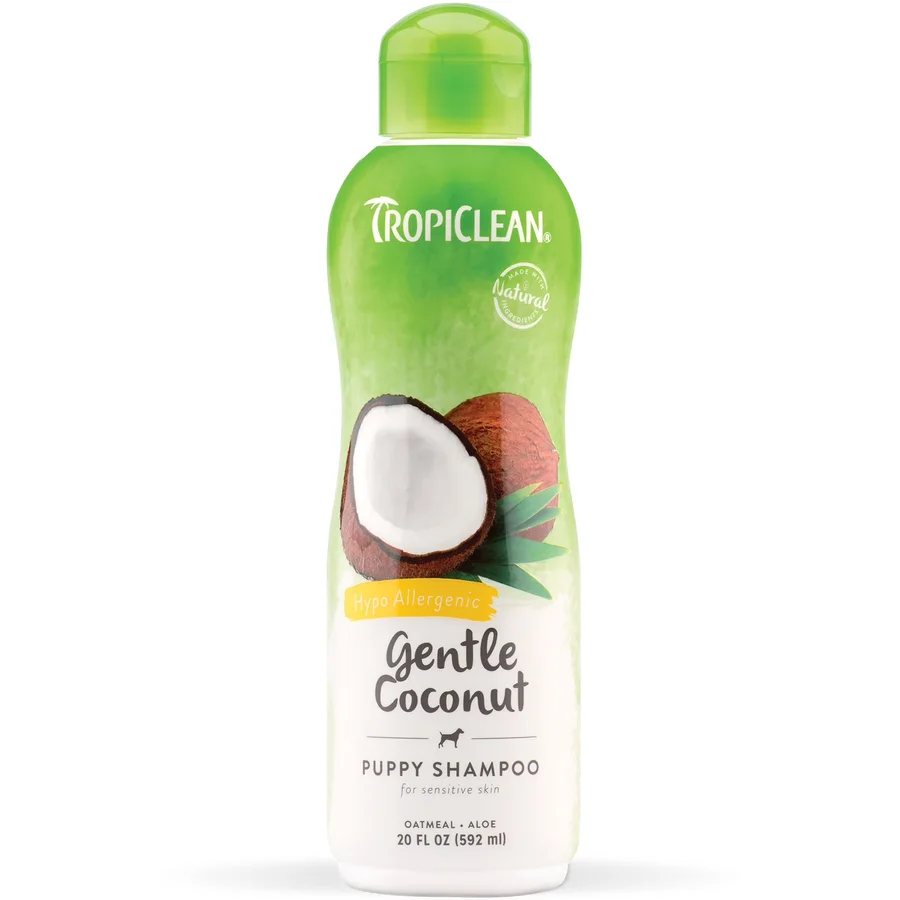
A rinse shampoo positioned for cats and kittens, with a mild-grooming focus rather than a medicated claim. Kitten suitability always depends on the exact current label and the kitten's age and health status, so owners should verify before use. It can be a helpful rinse option when a cat truly needs bathing and waterless cleanup is not enough.
Why we recommend it
A sensible mild rinse choice for owners who want one cautious product family that may cover both adult cats and older kittens per the current label.
Pros
Cons
Best for
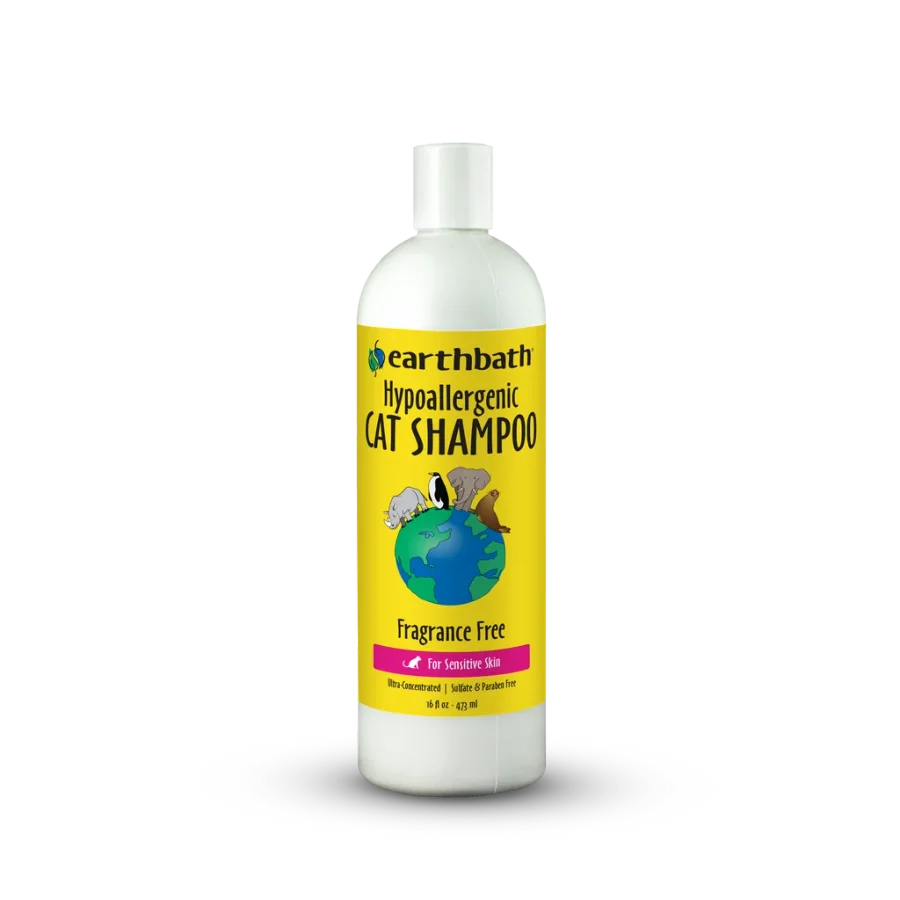
A cat-specific rinse shampoo marketed for a gentler or more fragrance-conscious grooming routine. earthbath sells several pet shampoo families, so the exact cat formula should be checked rather than assuming the dog version is interchangeable. It is best used as a cosmetic cleanser, not as a substitute for veterinary diagnosis of persistent itch or skin lesions.
Why we recommend it
A useful mainstream-sensitive-style rinse choice for owners who prefer established grooming brands and want a cat-labeled product.
Pros
Cons
Best for
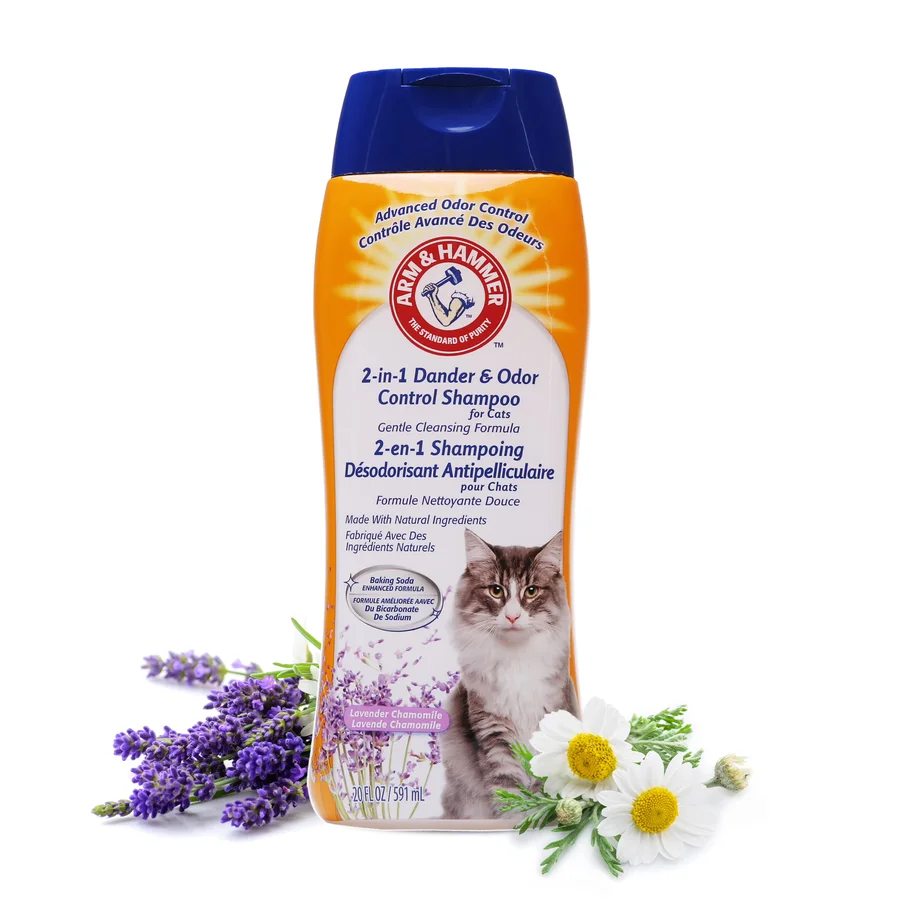
A rinse shampoo positioned around coat deodorizing and reducing loose dander rather than around a fragrance-free profile. Deodorizing shampoos can make sense for oily or litter-dusty coats, but they should not be used to cover up persistent odor that may reflect dental, skin, or medical problems. Owners sensitive to fragrance should check the current scent details before ordering.
Why we recommend it
A practical odor-and-dander-focused choice for owners who specifically want that grooming angle and whose cats tolerate rinse baths.
Pros
Cons
Best for
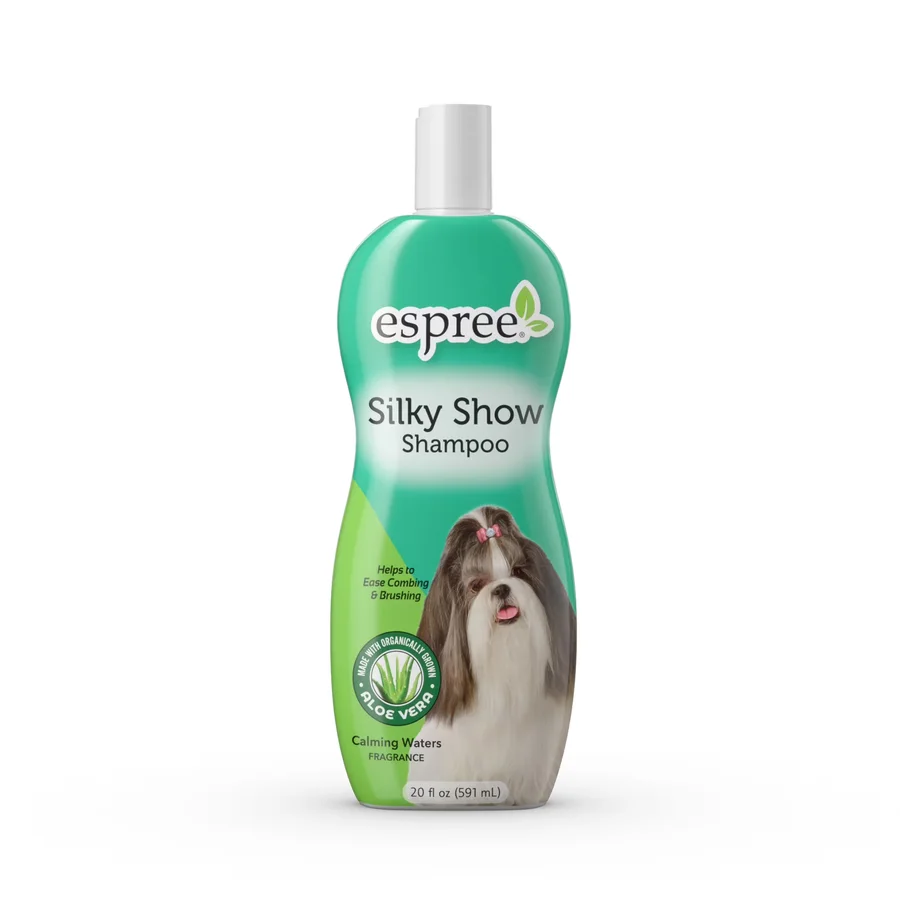
A grooming-focused rinse shampoo positioned for coat appearance and feel rather than for medical treatment. Show-oriented grooming language often appeals most to owners of long-haired or appearance-conscious breeds, but any cat coat problem that looks greasy, patchy, or painful still needs veterinary attention. It is more of a specialty coat-finish choice than a first shampoo for most homes.
Why we recommend it
A specialty rinse option for owners who care about coat presentation and already know their cat tolerates bathing reasonably well.
Pros
Cons
Best for
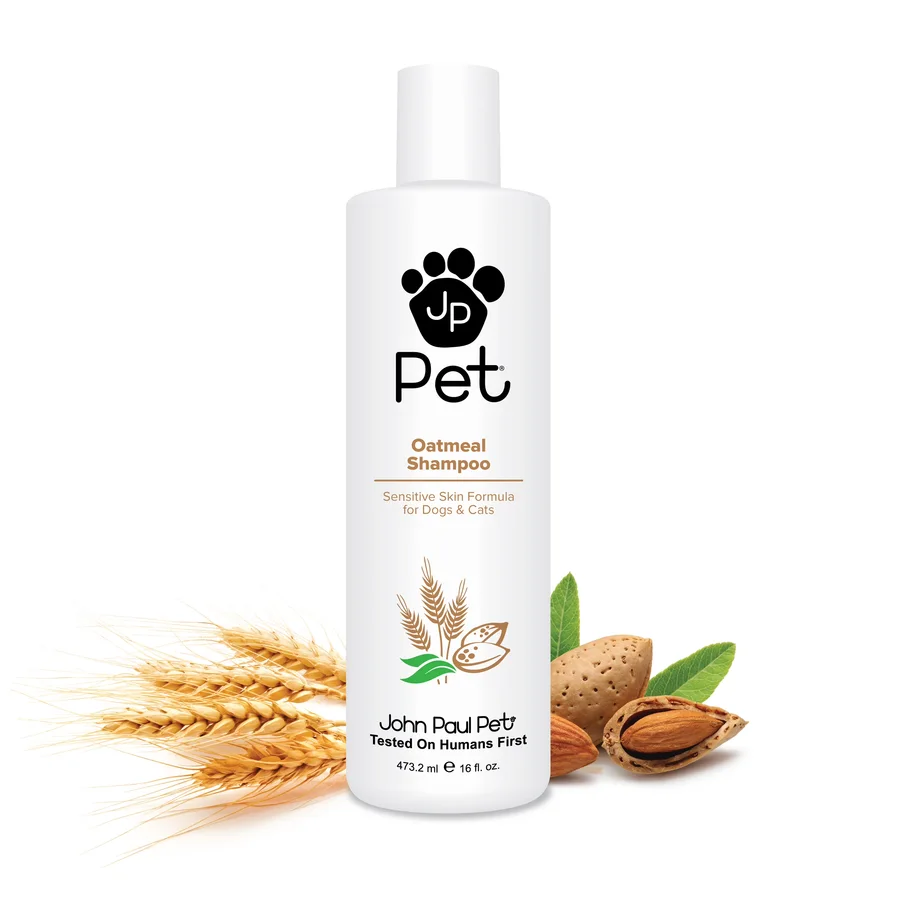
A multi-species rinse shampoo marketed with oatmeal and routine moisturizing-style grooming language. Multi-species products can be useful, but owners should still verify that the exact current label includes cats and should not assume every dog shampoo in a brand family is cat-safe. It is best considered a general cosmetic cleanser rather than a treatment for chronic skin disease.
Why we recommend it
A reasonable oatmeal-style multi-species option for households that deliberately want one label-approved shampoo for both dogs and cats.
Pros
Cons
Best for
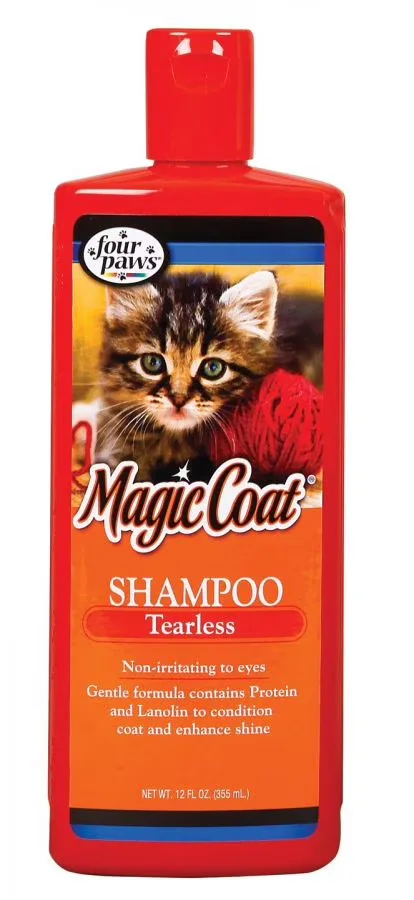
A cat-labeled rinse shampoo positioned as a tearless-style grooming option for routine coat cleaning. Like other traditional bath shampoos, it is best reserved for cats that actually need bathing or tolerate it reasonably well. Tearless wording can be reassuring, but it should never be read as permission to get shampoo in the cat's eyes.
Why we recommend it
A practical mainstream rinse alternative for owners who want a cat-specific tearless-style product from a long-running grooming brand.
Pros
Cons
Best for
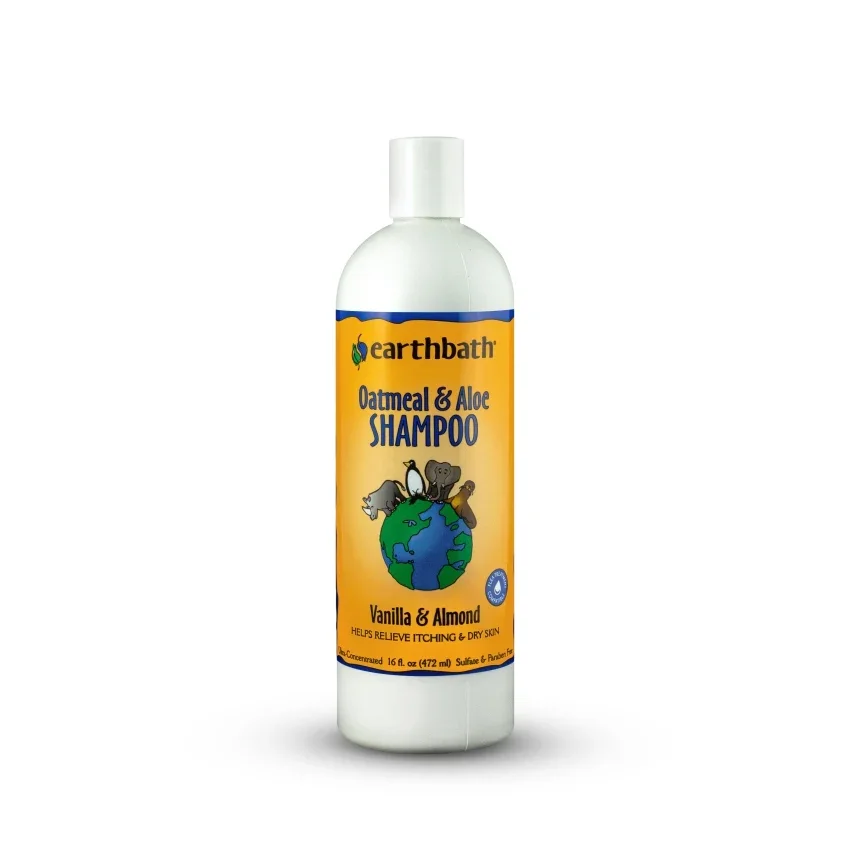
A rinse shampoo for dogs and cats formulated with colloidal oatmeal and aloe and carrying a vanilla-and-almond fragrance. The manufacturer labels it for dogs, puppies, cats, and kittens over six weeks old; owners should still verify the current bottle and avoid use on younger kittens. It is a cosmetic grooming product, not a treatment for persistent skin disease.
Why we recommend it
A clearly documented oatmeal formula for multi-pet homes that want a cat-approved rinse shampoo and accept a noticeable fragrance.
Pros
Cons
Best for
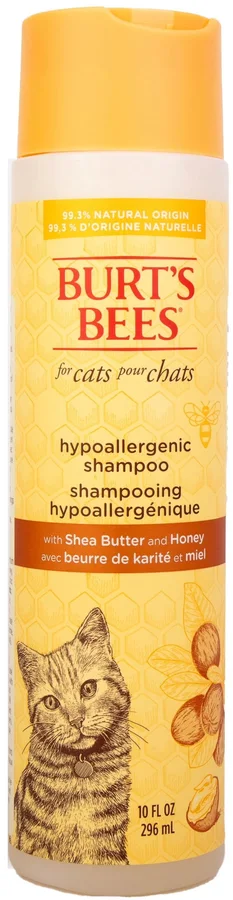
A cat-specific rinse shampoo marketed as hypoallergenic and made without added colorants or sulfates. Hypoallergenic is a product-positioning term rather than a guarantee that no cat will react, so cautious first use and thorough rinsing remain important.
Why we recommend it
A straightforward cat-labeled sensitive-style rinse option from a widely distributed grooming line.
Pros
Cons
Best for