Premium Choice
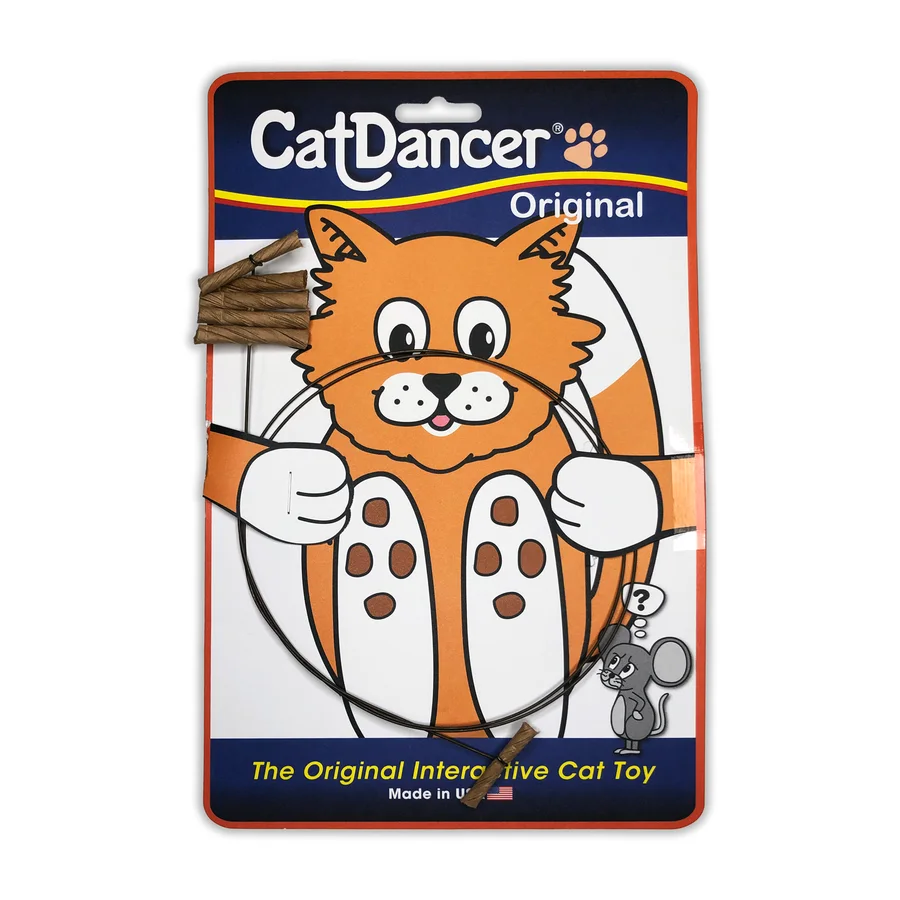
Cat Dancer Original Interactive Cat Toy
The Original Cat Dancer remains one of the clearest examples of how simple human-led motion can outperform more complicated toy designs.

Some links on this page are affiliate links. We may earn a commission if you buy through them, at no extra cost to you. This never changes our research or which products we recommend.
The Original Cat Dancer remains one of the clearest examples of how simple human-led motion can outperform more complicated toy designs.
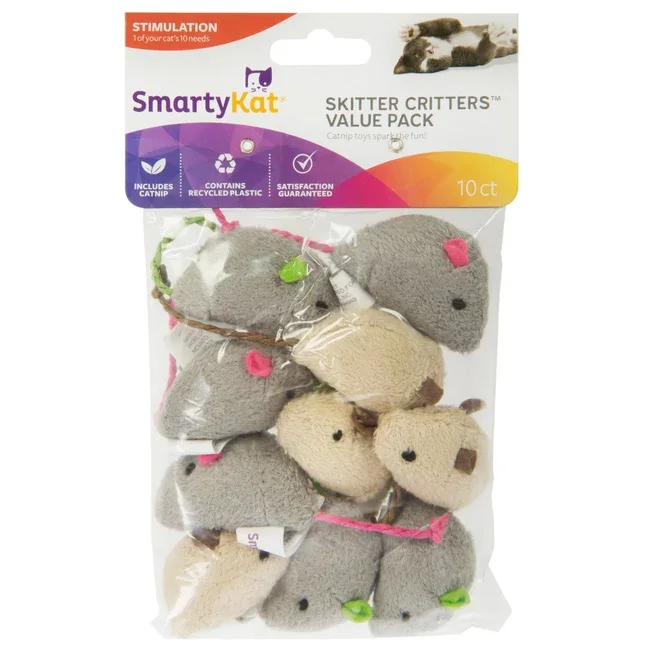
SmartyKat's Skitter Critters pack makes inexpensive rotation easy for cats that love tiny prey-sized toys.
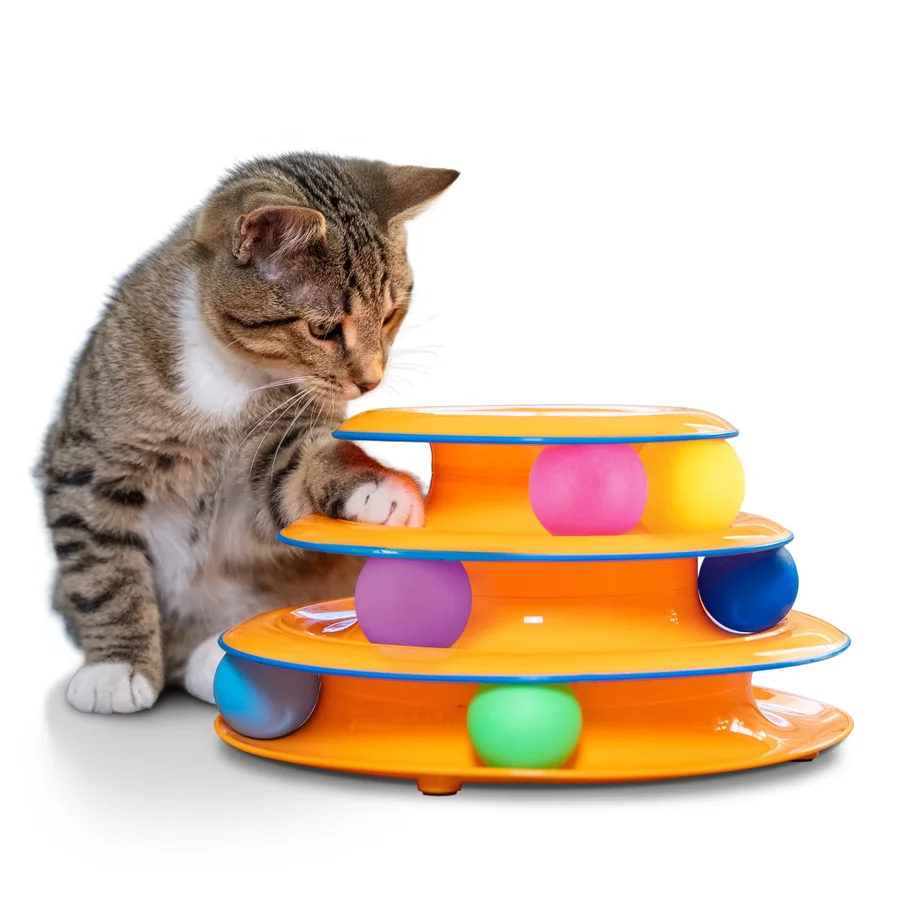
Petstages Tower of Tracks is a durable, recognizable stationary toy that many households use between wand sessions.
Filter by feature:
A very simple wire-and-cardboard interactive toy that depends almost entirely on the way the human moves it. Its appeal comes from erratic motion rather than plushness or electronics, which is why many cats respond strongly despite the minimal look. As with any teaser-style toy, it is best used in supervised sessions and stored away if the cat tries to chew or swallow pieces.
Why we recommend it
A standout premium interactive pick because it creates lively prey-like movement with almost no complexity or cost.
Pros
Cons
Best for
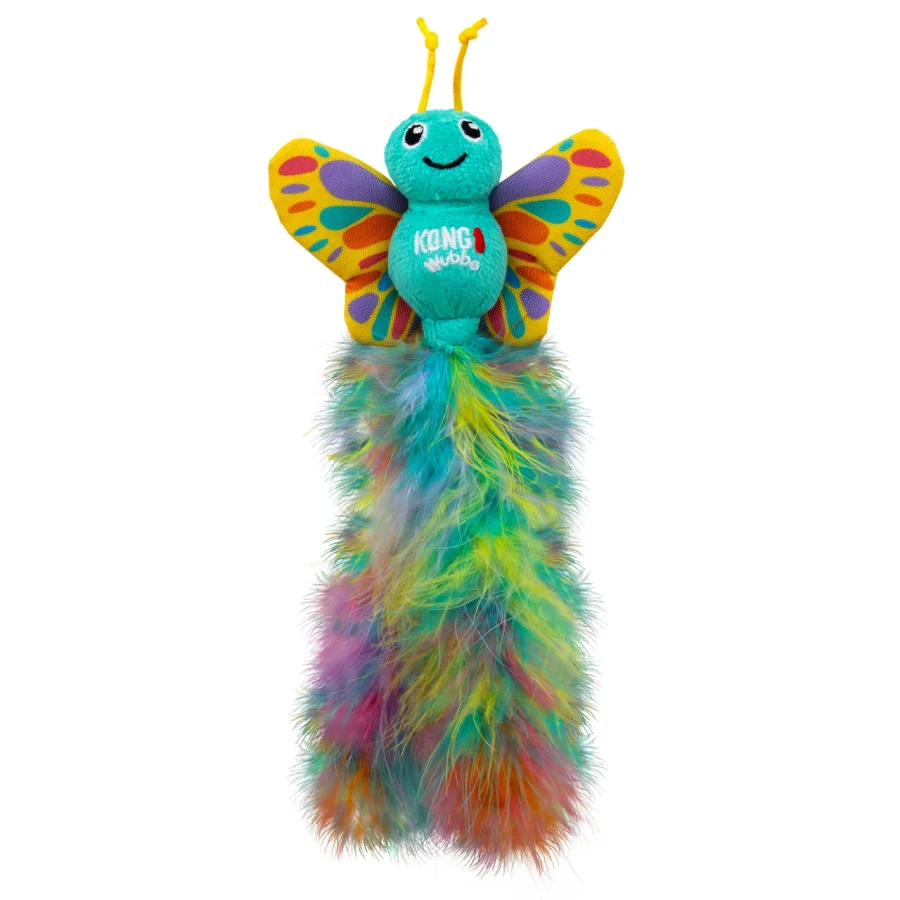
A soft toy with tail-like streamers that many cats bat, pounce on, and carry around between play sessions. KONG makes several cat Wubba versions, so the exact cat model matters more than the dog Wubba family name. It is a good middle-ground toy for cats that alternate between solo batting and short bursts of interactive toss-and-chase play.
Why we recommend it
A practical everyday toy for cats that like to kick, carry, and pounce on a soft moving target without needing constant owner input.
Pros
Cons
Best for
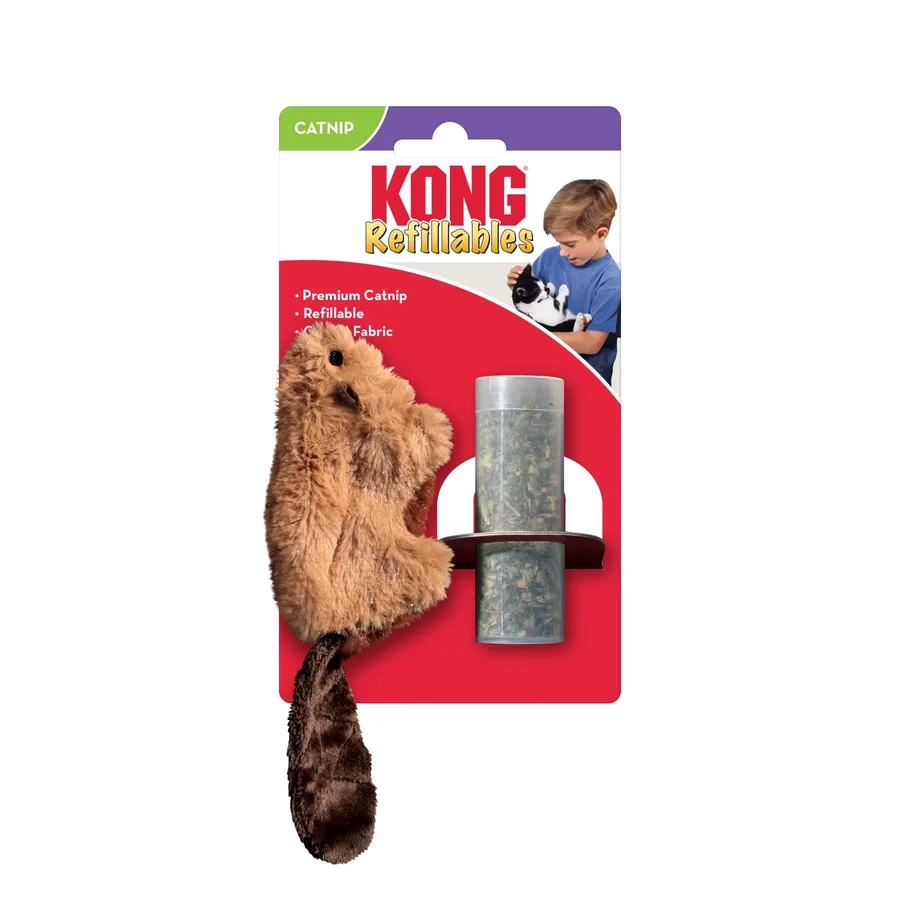
A refillable catnip plush toy designed for cats that like to wrestle and chew lightly on a kickable shape. Its usefulness depends on whether the cat responds to catnip in the first place, since many kittens and some adults show little or no catnip reaction. Refillable designs are handy because the toy can stay in rotation after the original catnip scent fades.
Why we recommend it
A good catnip-driven kicker for households that already know the cat responds to catnip and likes to wrestle with soft toys.
Pros
Cons
Best for
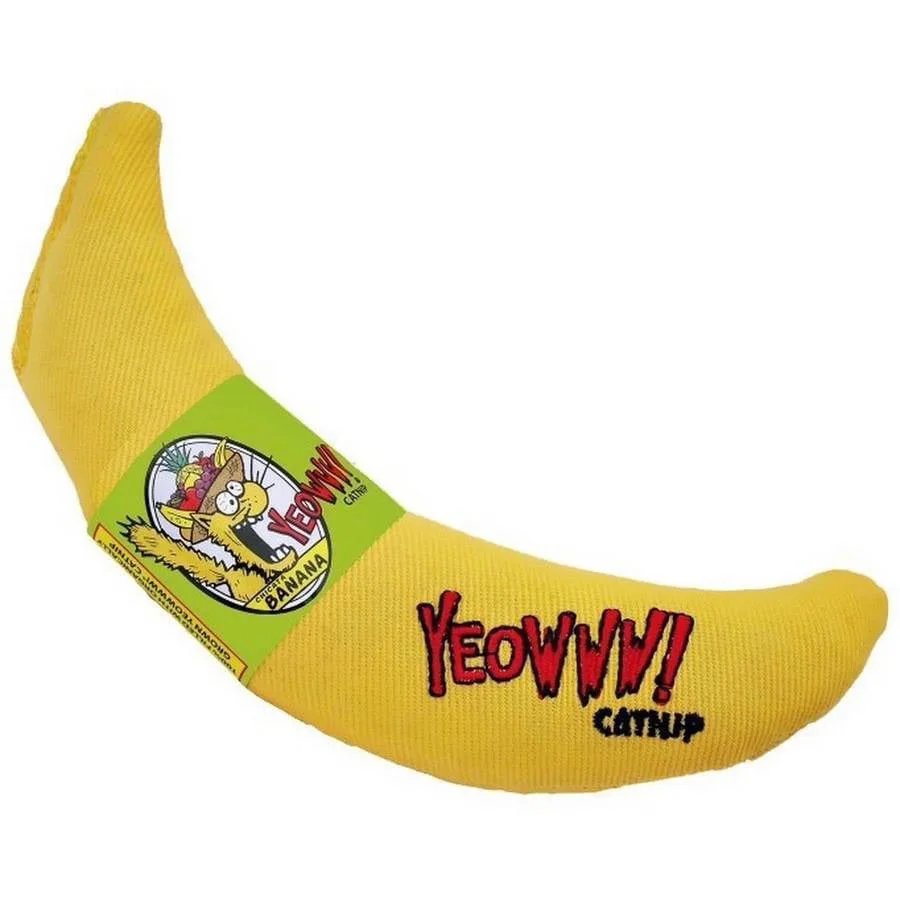
A long-standing catnip-stuffed toy famous for a simple banana shape that many cats can grab and kick easily. It does not do much unless the cat cares about catnip, but for those cats it can become a repeat favorite because of the size and dense fill. Soft stuffed toys should still be checked for wear, especially in homes with aggressive kickers or chewers.
Why we recommend it
A premium catnip classic for cats that show a strong catnip response and like longer toys they can wrestle with their back feet.
Pros
Cons
Best for
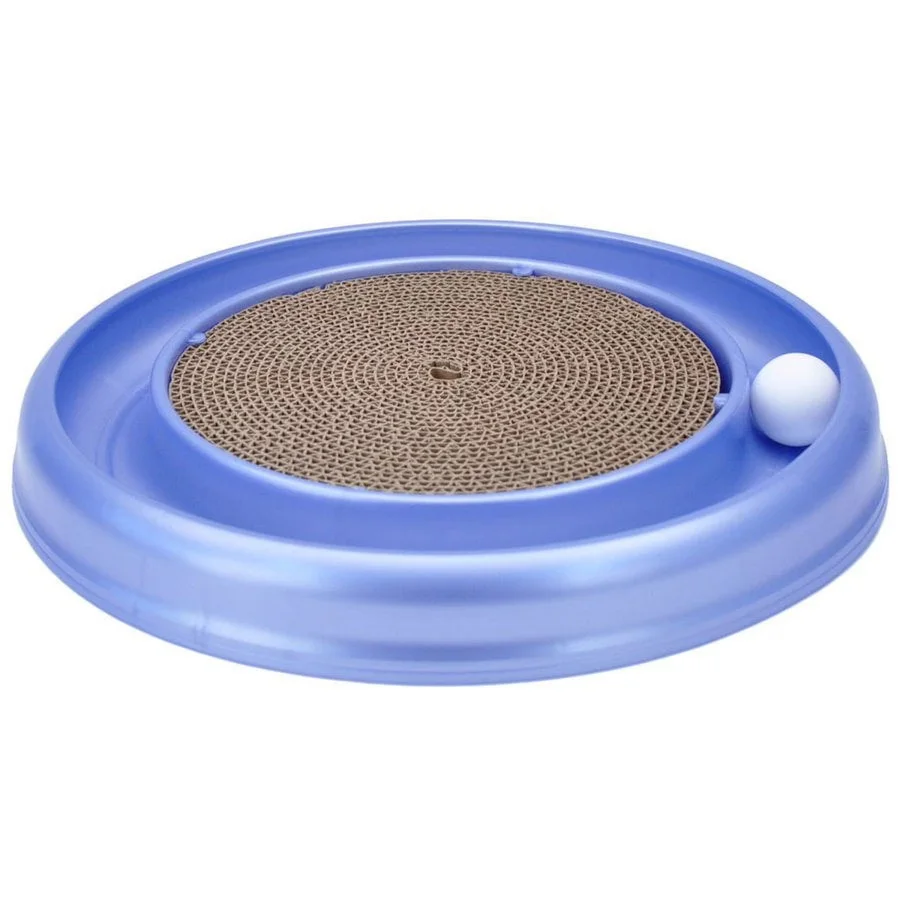
A circular track toy with a center cardboard scratch pad, giving cats both a batting target and a scratchable surface. It is one of the clearest examples of a hybrid toy that can still be appealing when the owner is not actively waving a wand. The cardboard insert will wear out with use, so replacement expectations are part of the ownership experience.
Why we recommend it
A smart hybrid choice for owners who want one stationary toy that supports both batting and scratching behavior in a small footprint.
Pros
Cons
Best for
A multi-level ball track toy that gives cats several moving targets in one upright station. It is especially useful for solo batting and quick curiosity-based play sessions between human-led interactive games. Stationary track toys can reduce boredom for some cats, but they do not replace full chase-and-pounce sessions with an owner.
Why we recommend it
A strong premium solo-play pick for households that want a durable stationary toy that remains interesting longer than a single loose ball.
Pros
Cons
Best for
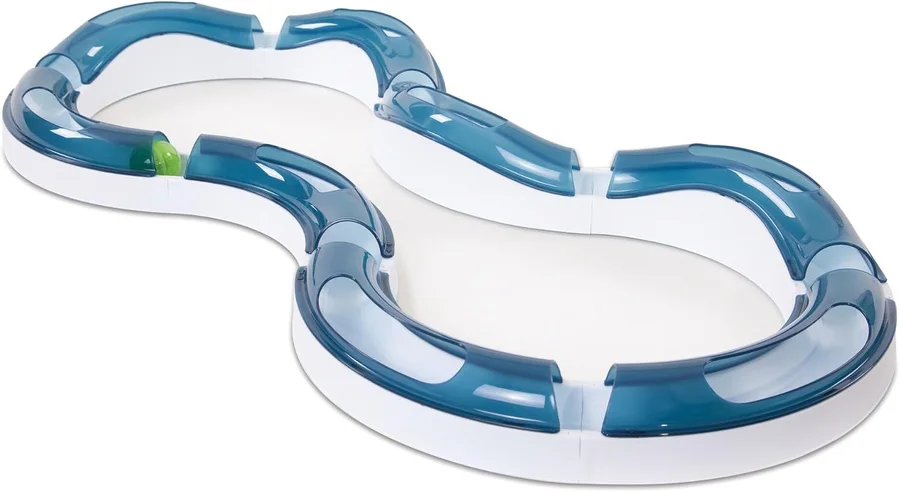
A modular track-style toy with a ball that runs through sections the cat can bat from different angles. Modular tracks can be useful when you want to change the layout occasionally instead of offering the identical shape every day. Like other track toys, it works best as part of a toy rotation rather than as the cat's only enrichment.
Why we recommend it
A useful modular track pick for owners who want to vary the layout and keep a stationary toy feeling less repetitive over time.
Pros
Cons
Best for
A small multi-pack of lightweight prey-shaped toys designed for tossing, carrying, and quick batting games. Multi-packs are useful because tiny toys vanish under furniture quickly, and some cats strongly prefer a small mouse-like shape to larger plush items. Tiny toys always need supervision if a cat tends to chew pieces off or swallow strings or feathers.
Why we recommend it
A practical value pack for owners who want easy toy rotation and know their cat prefers small prey-sized targets.
Pros
Cons
Best for
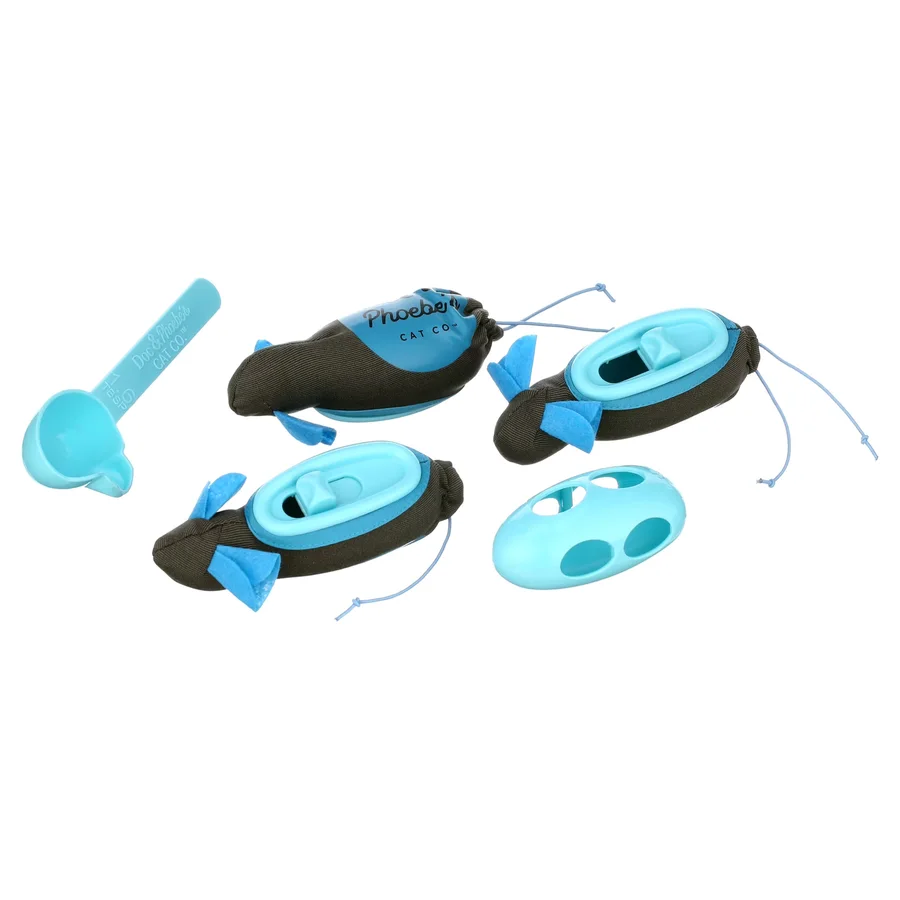
A foraging toy system that hides food in mouse-shaped feeders so the cat has to search, bat, and work for meals. This is a different kind of toy because it changes feeding behavior rather than only offering a chase target. It can be especially helpful for energetic food-motivated cats, but meal amounts still need to be measured accurately.
Why we recommend it
A standout enrichment choice for households that want to combine feeding with hunting-style activity rather than relying only on motion toys.
Pros
Cons
Best for
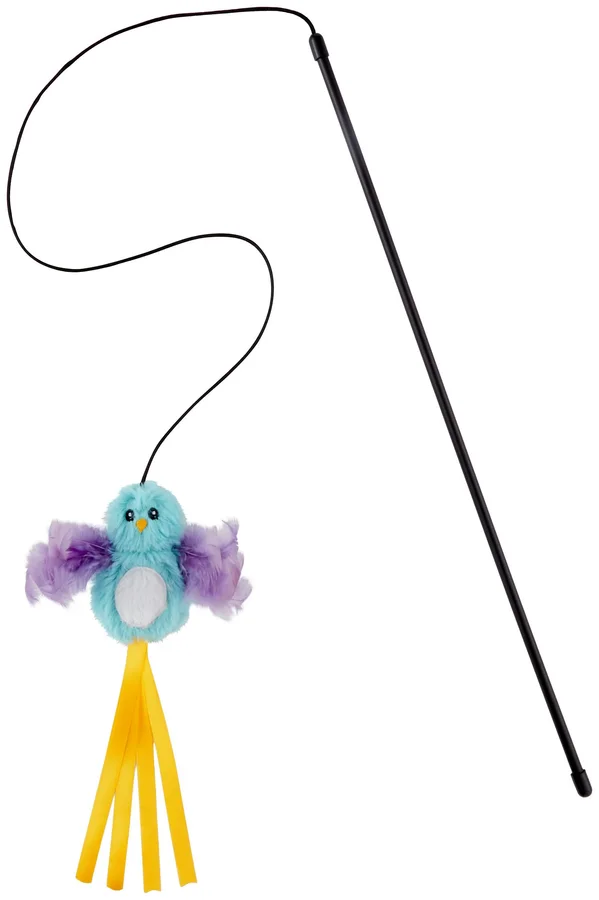
A classic teaser wand with a bird-like lure and feathers meant for human-led chase play. Wand toys can be excellent exercise tools when used in short sessions that let the cat stalk, chase, and finish with a catch. Feather toys should be stored when not in use if the cat tries to chew, shred, or swallow parts.
Why we recommend it
A straightforward interactive wand choice for owners who want to build short active play sessions into the daily routine without spending much.
Pros
Cons
Best for
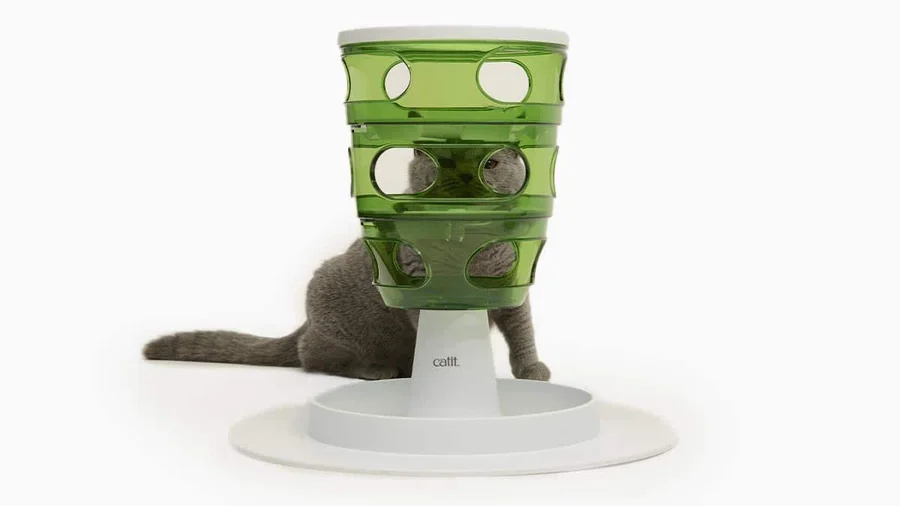
A stationary food puzzle that requires a cat to move kibble or small treats through openings before retrieving them from the lower tray. Adjustable opening sizes change the difficulty, and the broad base includes a rubber mat. Daily food portions should be measured rather than added as uncounted enrichment calories.
Why we recommend it
A substantial treat-foraging option for food-motivated cats that need a reusable puzzle rather than another chase toy.
Pros
Cons
Best for
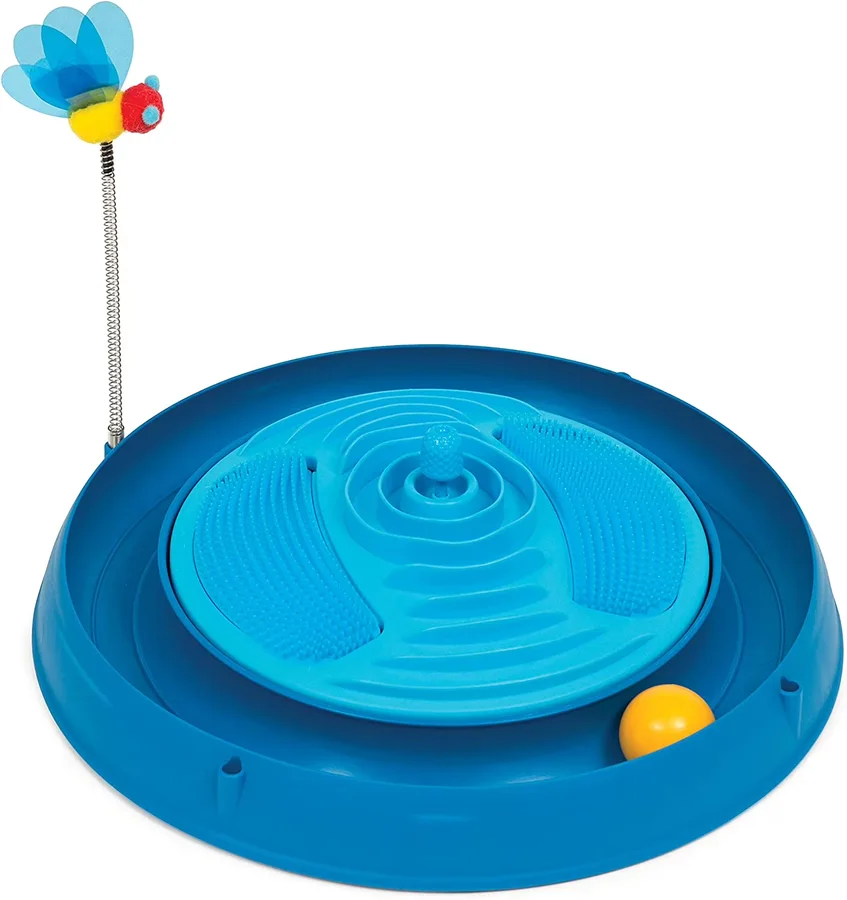
A circular ball-track toy built around a replaceable corrugated scratch pad and supplied catnip. The enclosed ball supports batting while the center provides a real scratching surface, making this a documented scratch-and-play hybrid rather than a standard track alone.
Why we recommend it
A second genuine scratch-play hybrid for cats that enjoy both enclosed-ball batting and corrugated cardboard.
Pros
Cons
Best for