Premium Choice
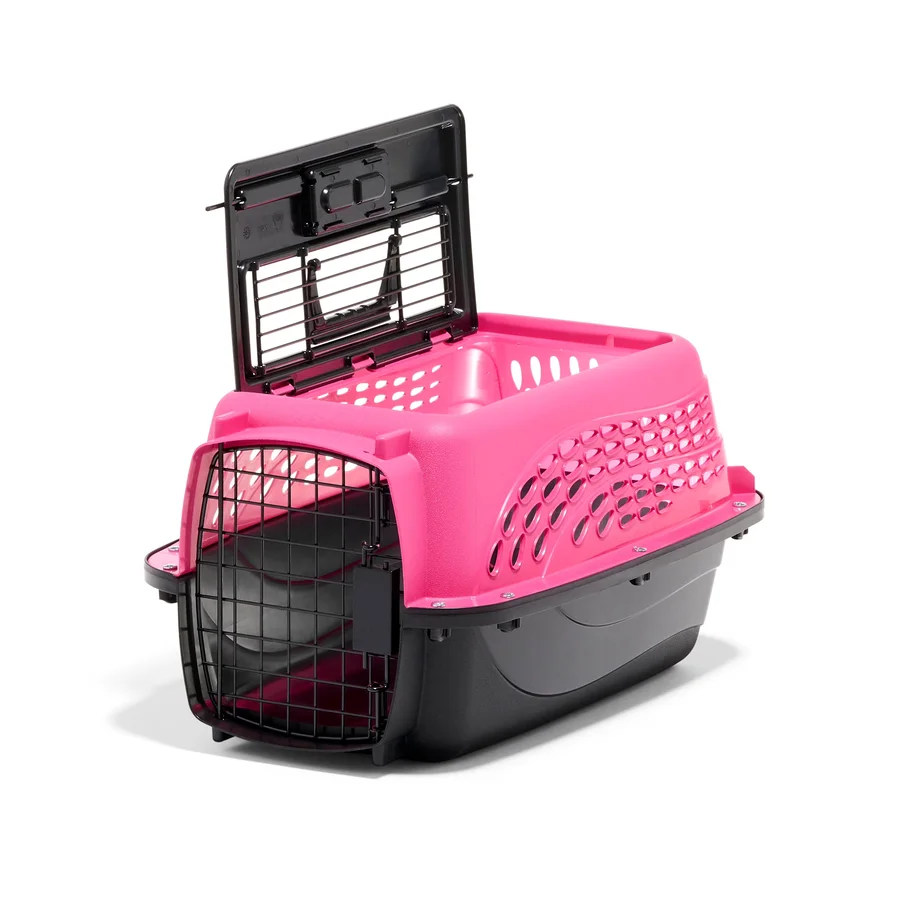
Petmate Two Door Top Load Pet Kennel
Petmate's Two Door Top Load format is the most rabbit-practical design here because it combines rigid containment with easier loading and exam-room access.

Some links on this page are affiliate links. We may earn a commission if you buy through them, at no extra cost to you. This never changes our research or which products we recommend.
Petmate's Two Door Top Load format is the most rabbit-practical design here because it combines rigid containment with easier loading and exam-room access.
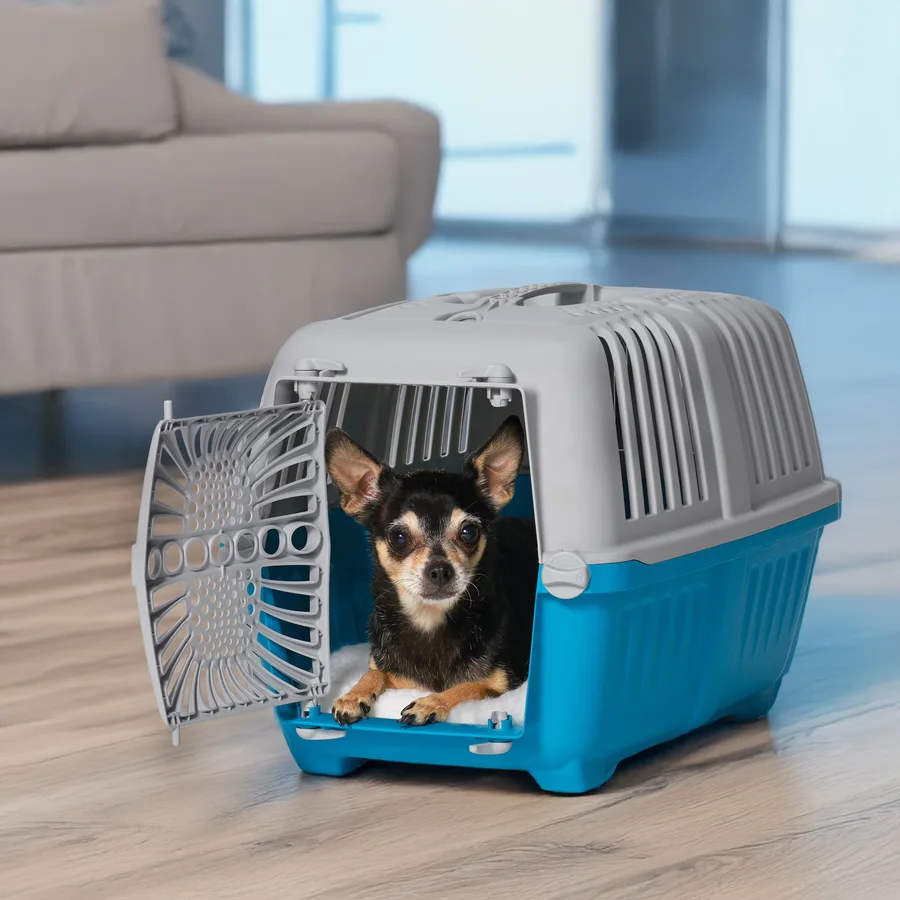
MidWest Spree Travel Carrier covers everyday local transport needs without forcing most homes into a larger or pricier kennel than they really need.
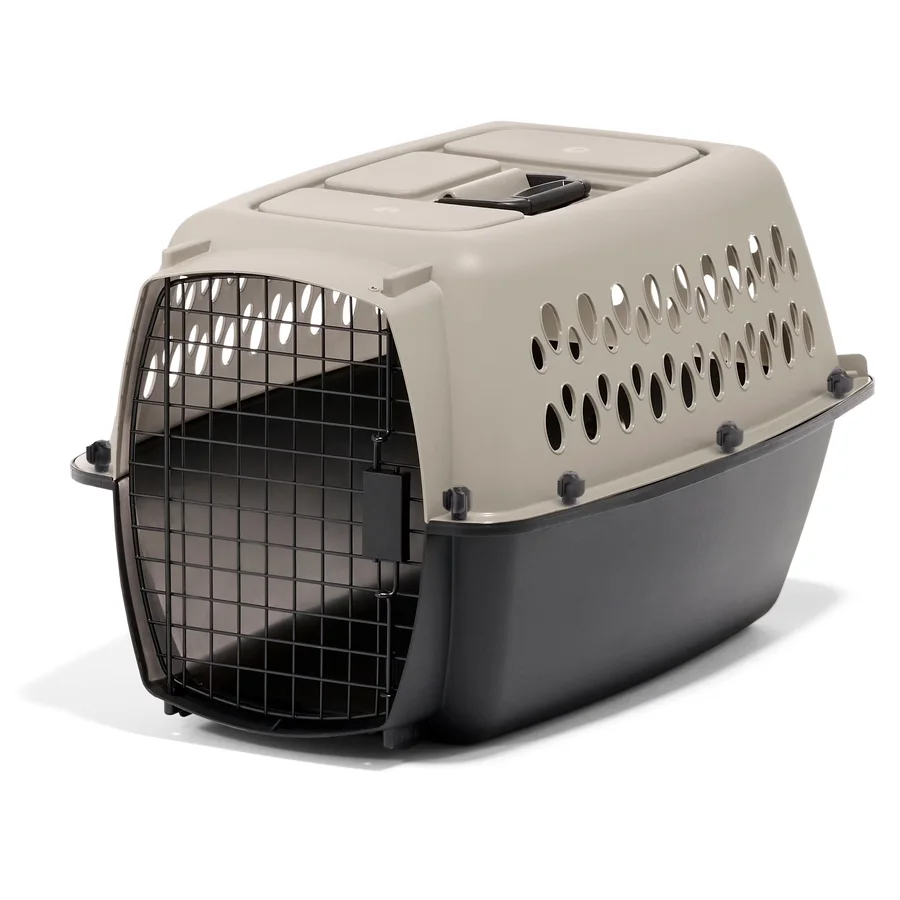
Petmate Vari Kennel remains one of the most familiar hard-shell travel formats and is easy to adapt with towels, hay, and careful sizing.
Filter by feature:
A hard-sided kennel with both front and top access, a combination many rabbit owners appreciate for gentle loading and easier exam-room handling. The rigid shell helps contain a rabbit that freezes, kicks, or urinates during transport, while the top opening makes it easier to lift a towel or hay bundle in and out. Check the exact size on the current listing so the rabbit can turn comfortably without sliding around in an oversized crate.
Why we recommend it
The best all-around carrier style here for rabbit vet trips because the top opening can make stressful loading and unloading noticeably easier.
Pros
Cons
Best for
A classic hard-sided kennel with a simple front door and plenty of ventilation slots. It lacks the convenience of a top opening, but the rigid shell and easy-to-wipe interior still make it a dependable car-trip and emergency option. Confirm the current dimensions because Vari Kennel sizes span from small cat carriers to much larger crates.
Why we recommend it
A sensible popular hard-carrier choice when you want a familiar, durable shell and are comfortable loading through the front door.
Pros
Cons
Best for
A lightweight hard plastic travel carrier often chosen for short planned trips such as routine nail trims or adoption transport. It is easier to carry than a heavier crate, but interior size still needs to be chosen thoughtfully so the rabbit has traction and enough room to turn. Check whether the current listing has a top handle or just a molded grip.
Why we recommend it
A strong value pick for ordinary local travel when you want a simple hard carrier without overbuying a large kennel.
Pros
Cons
Best for
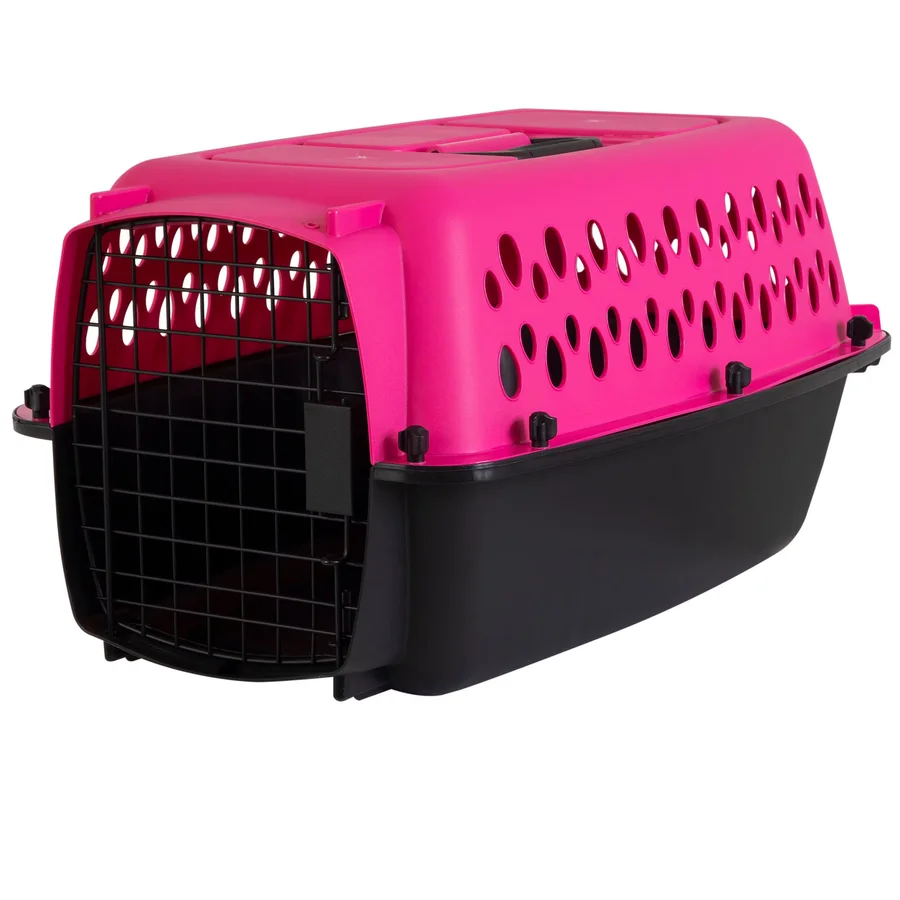
A hard-sided travel kennel with a familiar crate profile and secure front door. It is useful for rabbits that do better in a slightly more enclosed-feeling shell during car travel, but it still needs a towel or non-slip layer on the floor for footing. Check the current size chart because Aspen Pet kennels are sold in several dimensions.
Why we recommend it
Good for owners who want a sturdy conventional kennel profile and plan to stabilize it carefully in the car.
Pros
Cons
Best for
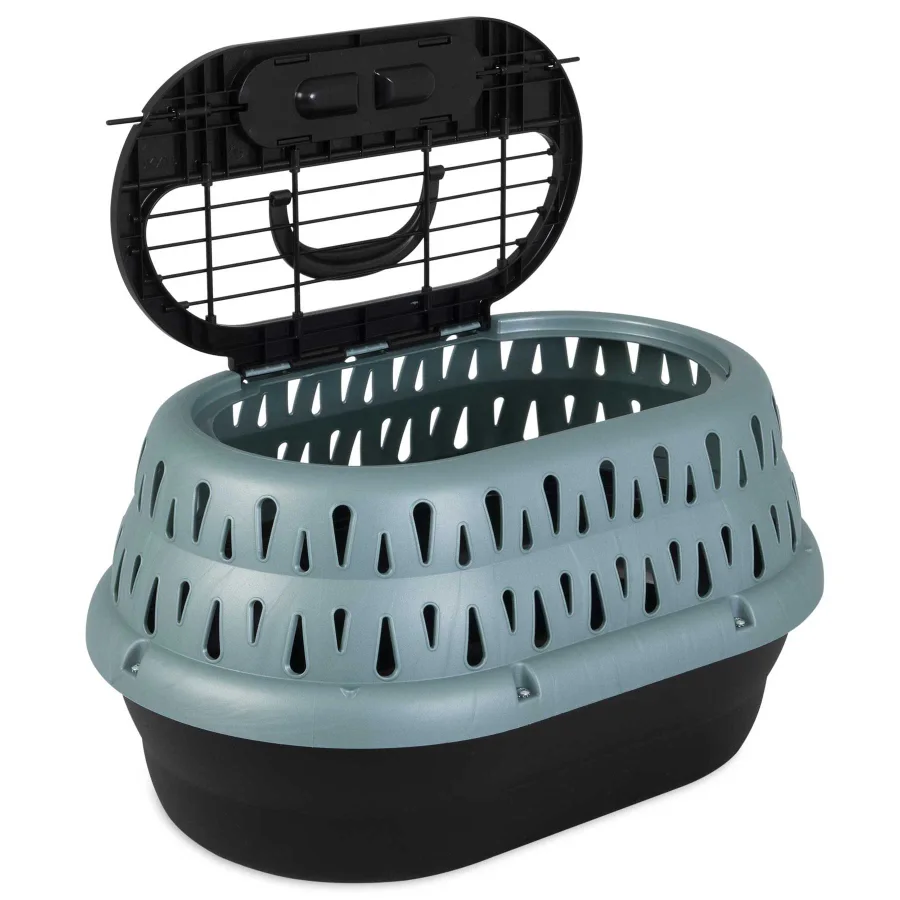
A compact rigid carrier with a broad clear top door and ventilated lower shell. The top opening can simplify towel placement and careful loading for a small rabbit, while the plastic base wipes clean after an accident. Petmate lists it for cats, so compare its 19-inch exterior and stated 10-pound limit with the rabbit's actual measurements rather than relying on the species label.
Why we recommend it
A compact top-opening option for a smaller rabbit when broad overhead access matters more than a conventional front door.
Pros
Cons
Best for
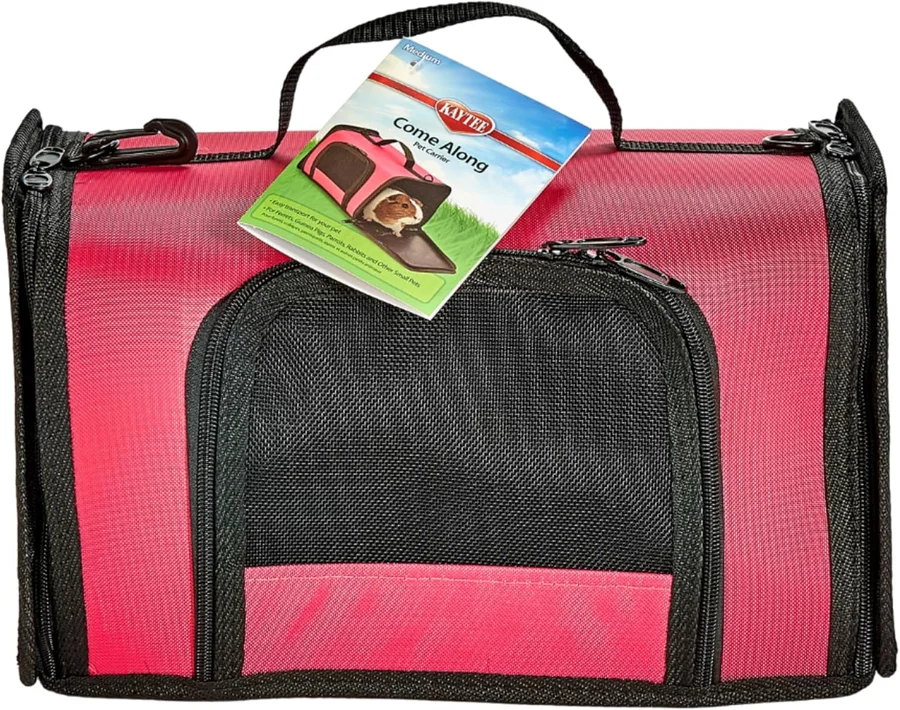
A compact small-animal carrier designed for short, supervised transport rather than long-distance travel. It is best suited to smaller rabbits or very short trips where you still provide a towel, ventilation, and a calm loading routine. Because Kaytee sells several 'come along' sizes, verify the actual measurements before buying for an adult rabbit.
Why we recommend it
Best as a short-trip starter carrier when you need something simple and lightweight and your rabbit is on the smaller side.
Pros
Cons
Best for
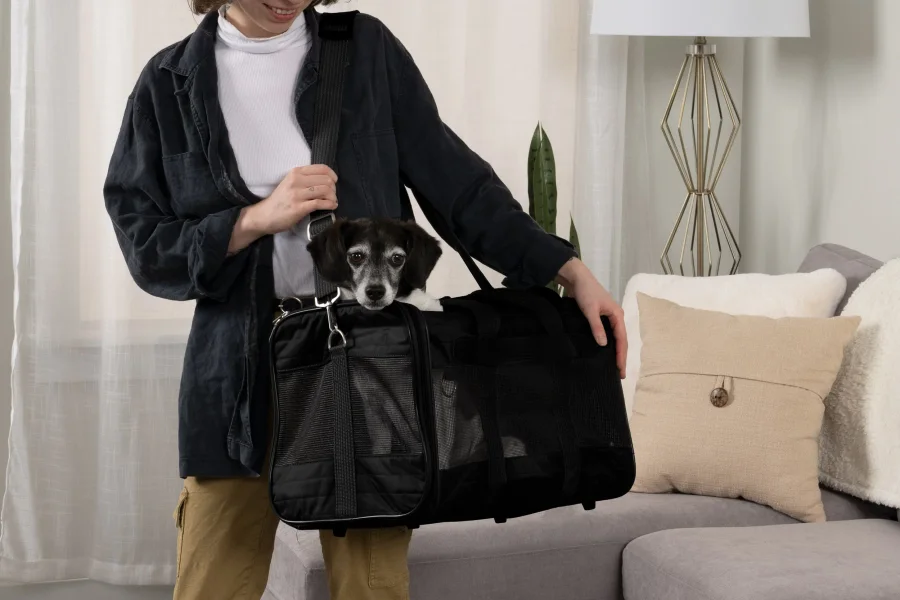
A well-known soft-sided carrier often chosen for travel flexibility or in-cabin sizing rather than rabbit-specific handling. Soft carriers can work for calm rabbits on short trips, but a highly stressed rabbit may deform the sides or soil the interior more dramatically than in a hard kennel. Double-check the current airline size labeling and add a firm towel base if you use one.
Why we recommend it
Most appropriate for calm rabbits and owners who specifically need a flexible soft carrier for occasional supervised travel.
Pros
Cons
Best for
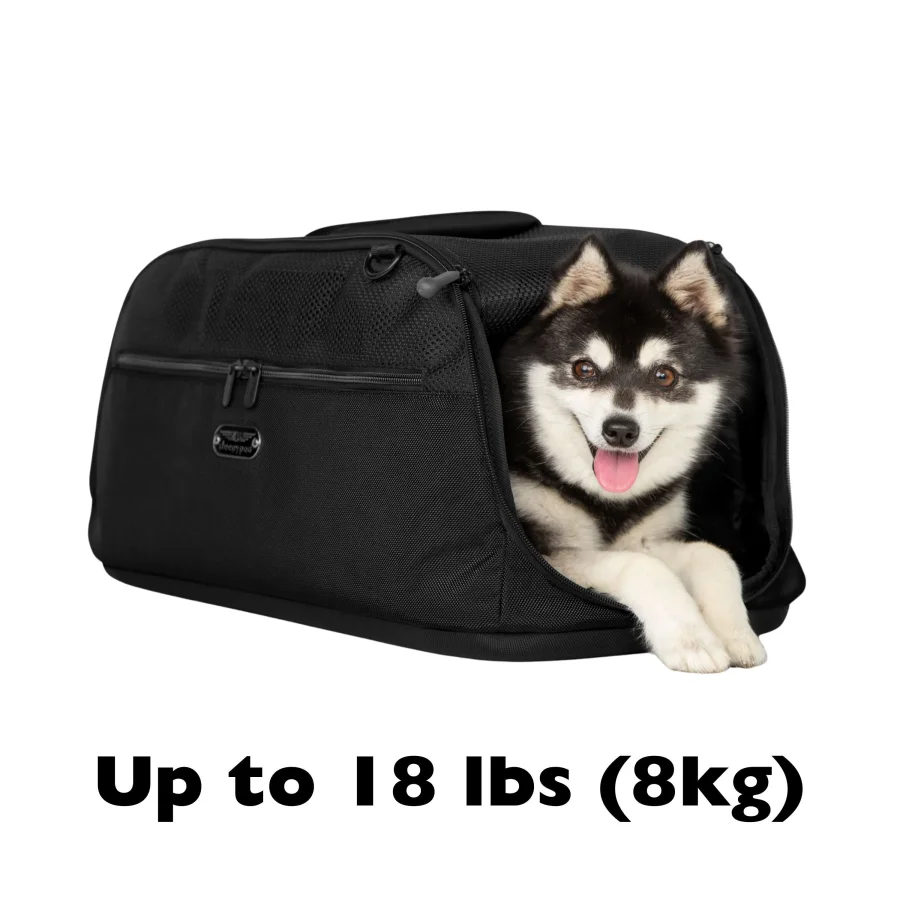
A premium soft-sided carrier marketed around flexible in-cabin travel dimensions. It is thoughtfully designed for travel logistics, but rabbit suitability still depends on the individual rabbit's stress tolerance and the owner's ability to keep footing secure with towels and calm handling. Verify airline rules and do not assume any soft carrier is the safest default for a rabbit that panics.
Why we recommend it
A premium travel-specific soft carrier for calm rabbits when airline constraints drive the purchase more than routine vet-trip convenience.
Pros
Cons
Best for
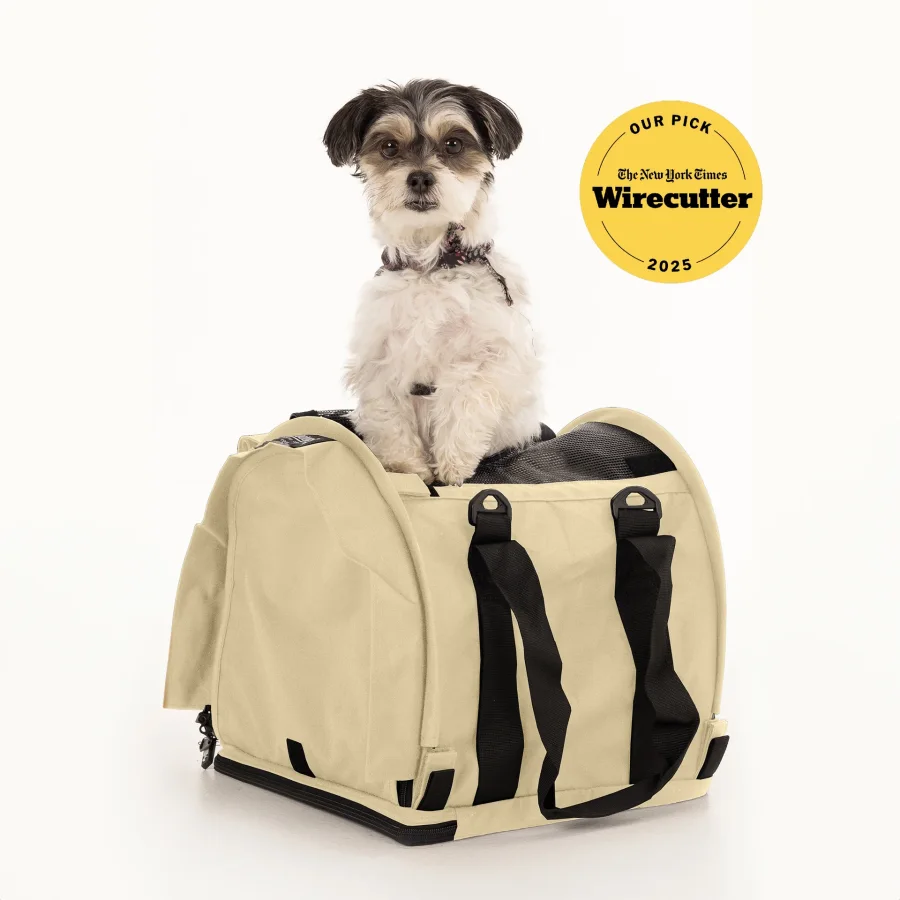
A soft travel carrier with a long history in companion-animal transport. It may appeal to owners who want collapsibility and multiple carry options, but it still requires judgment about the rabbit's stress level, temperature, and willingness to stay stable on a towel-lined base. Check the current size and frame style because SturdiBag offers several versions.
Why we recommend it
A sensible value-leaning soft carrier for experienced owners who truly need collapsibility and know their rabbit handles travel calmly.
Pros
Cons
Best for
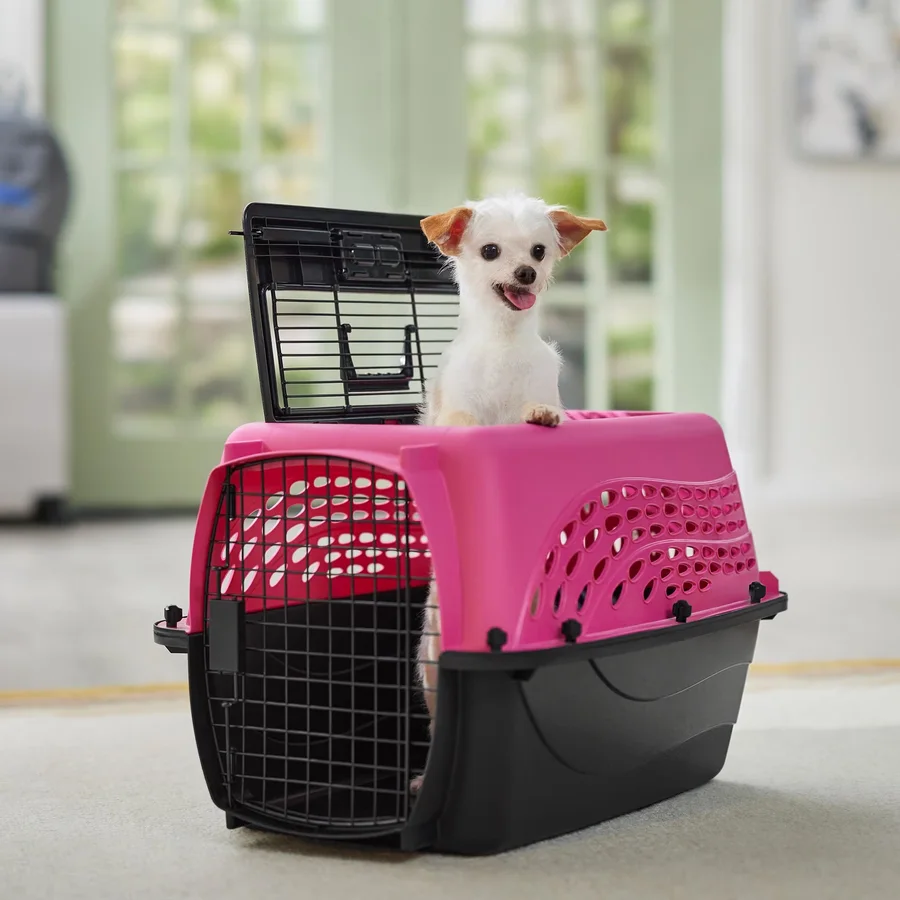
A hard-sided top-load kennel that follows the same rabbit-friendly logic as other dual-door shells: easier loading, better containment, and simpler cleanup than many soft carriers. It can be a smart buy when you want top-load access without paying for a more premium brand name. Measure the rabbit and current kennel size chart carefully before ordering.
Why we recommend it
A good value top-load hard carrier for rabbit owners who want the handling benefits of a dual-door shell at a more accessible price point.
Pros
Cons
Best for
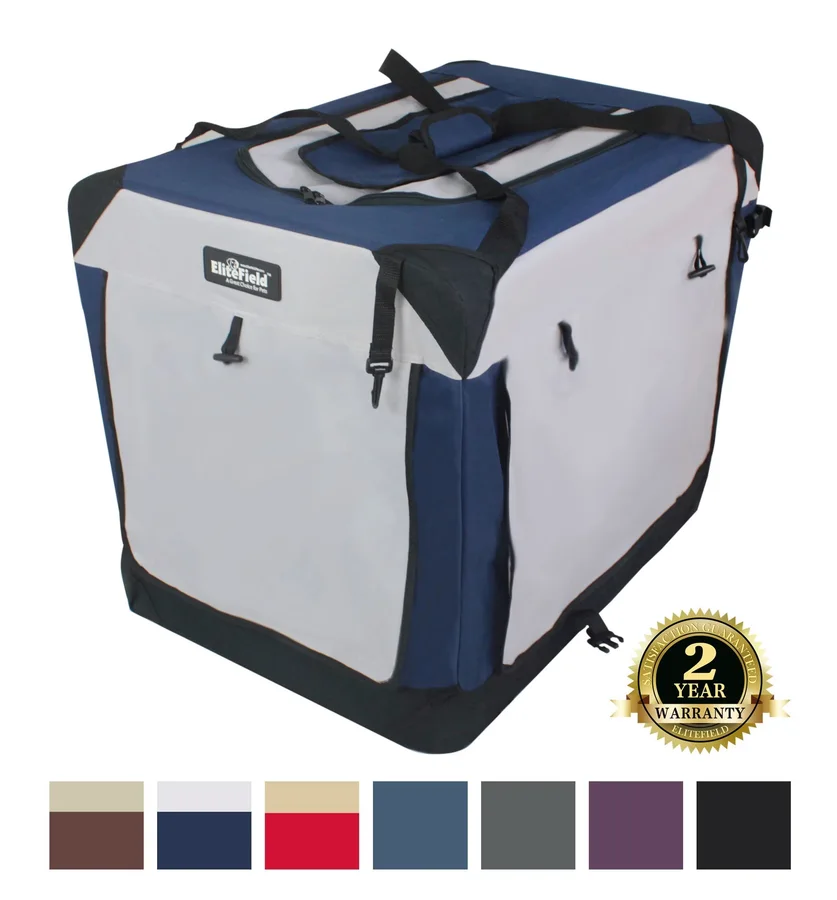
A structured soft carrier with four zippered access points and mesh ventilation. Multiple doors can make towel placement and calm loading easier, but the fabric construction is still best reserved for a rabbit that does not chew, dig, or panic in transit. Check the selected size against both the rabbit and the carrier policy for any airline.
Why we recommend it
A flexible multi-entry choice for a calm rabbit when storage or in-cabin dimensions rule out a hard shell.
Pros
Cons
Best for
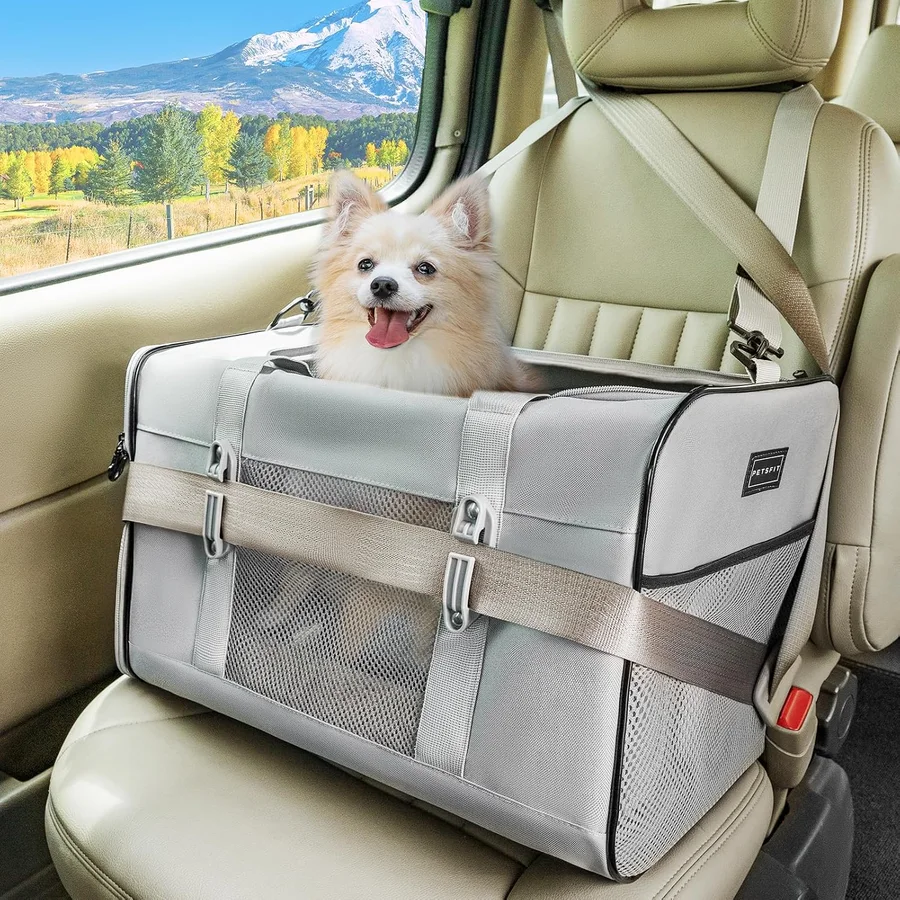
A ventilated soft-sided travel bag with a removable mat and zippered entry. It offers a lighter alternative for calm supervised transport, not a chew-proof or panic-proof enclosure. Measure the rabbit in a natural resting posture, line the base with a towel, and confirm current airline requirements independently.
Why we recommend it
A straightforward soft travel option for a calm smaller rabbit when portability is the main constraint.
Pros
Cons
Best for