Buying GuideHow to Choose Dog Collars
Measure before choosing a style. Use a soft tape where the collar will sit, follow the exact product chart, and confirm that the fitted collar cannot pass over the head while still allowing comfortable breathing and normal movement. A common flat-collar check is room for about two fingers, but coat, head shape, collar width, and manufacturer instructions matter. Recheck growing dogs and inspect skin, stitching, rings, keepers, and buckles frequently. Wide or heavy collars can overwhelm short necks even when the circumference is technically correct.
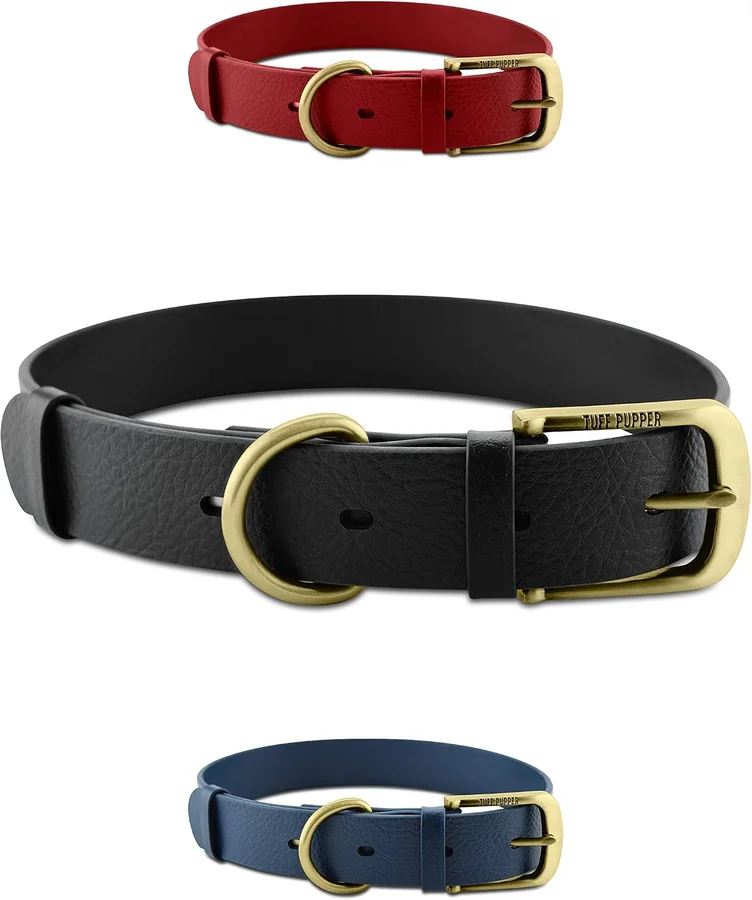
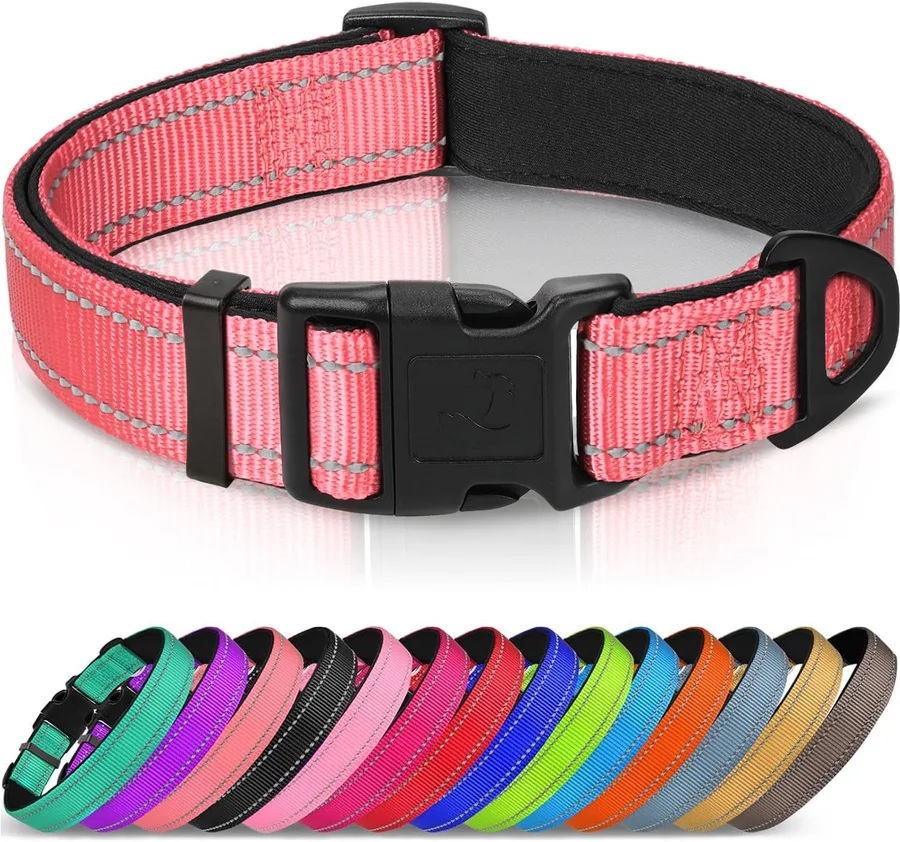
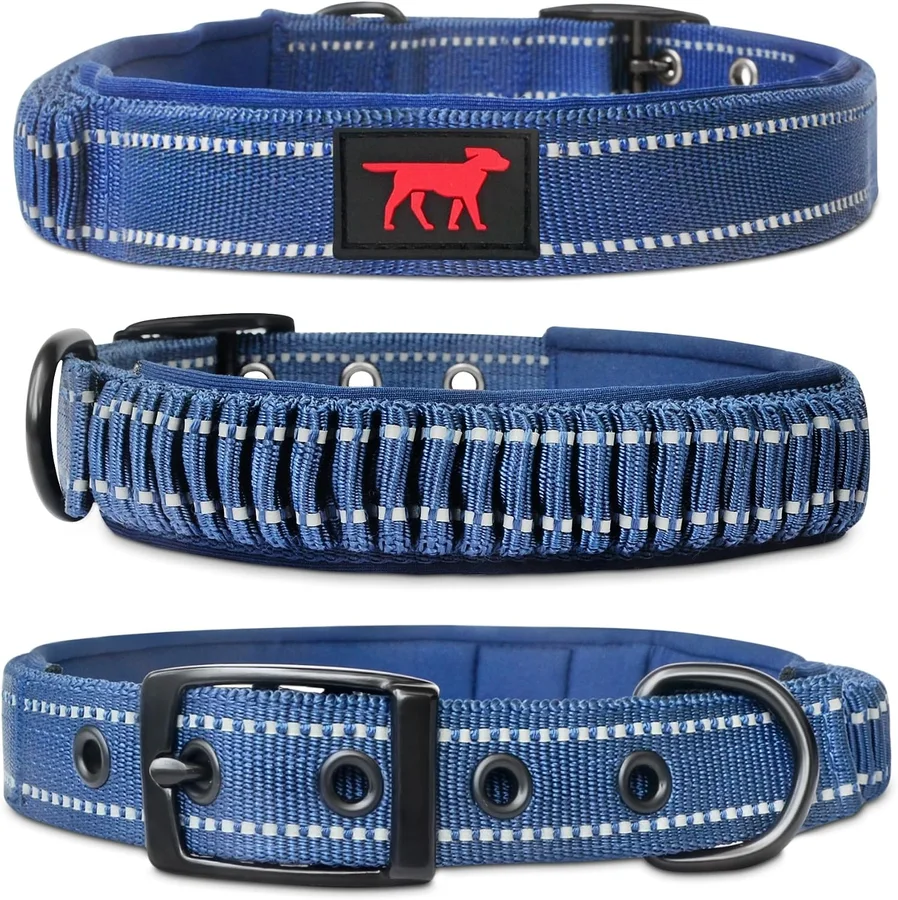
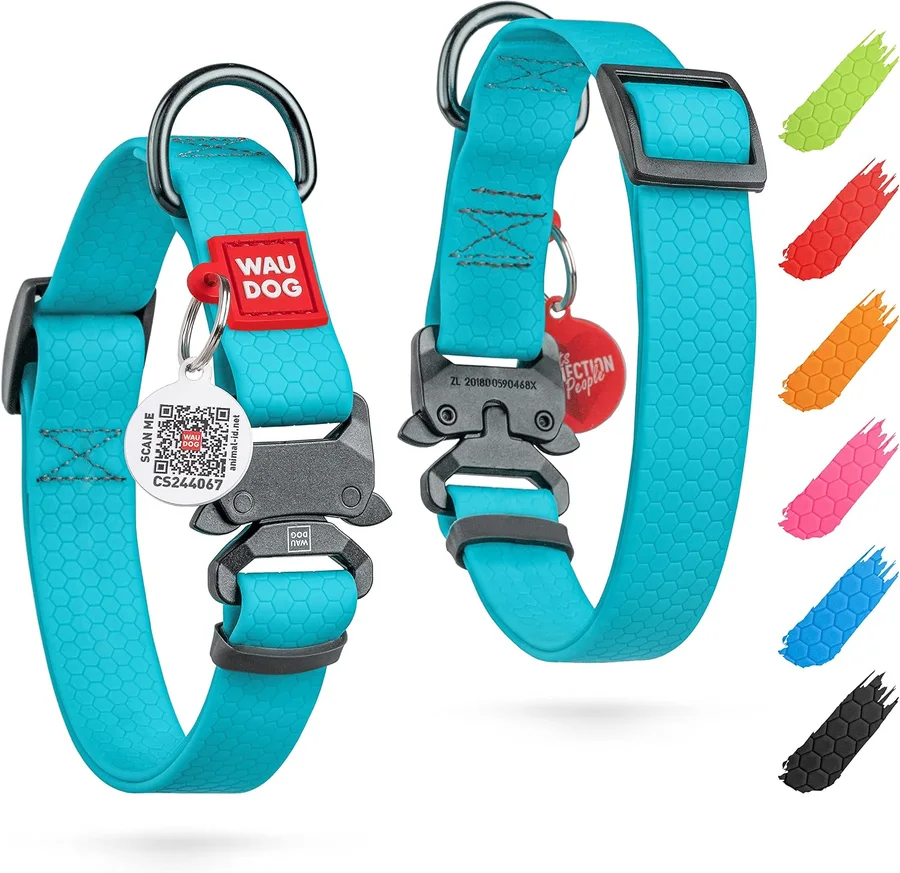
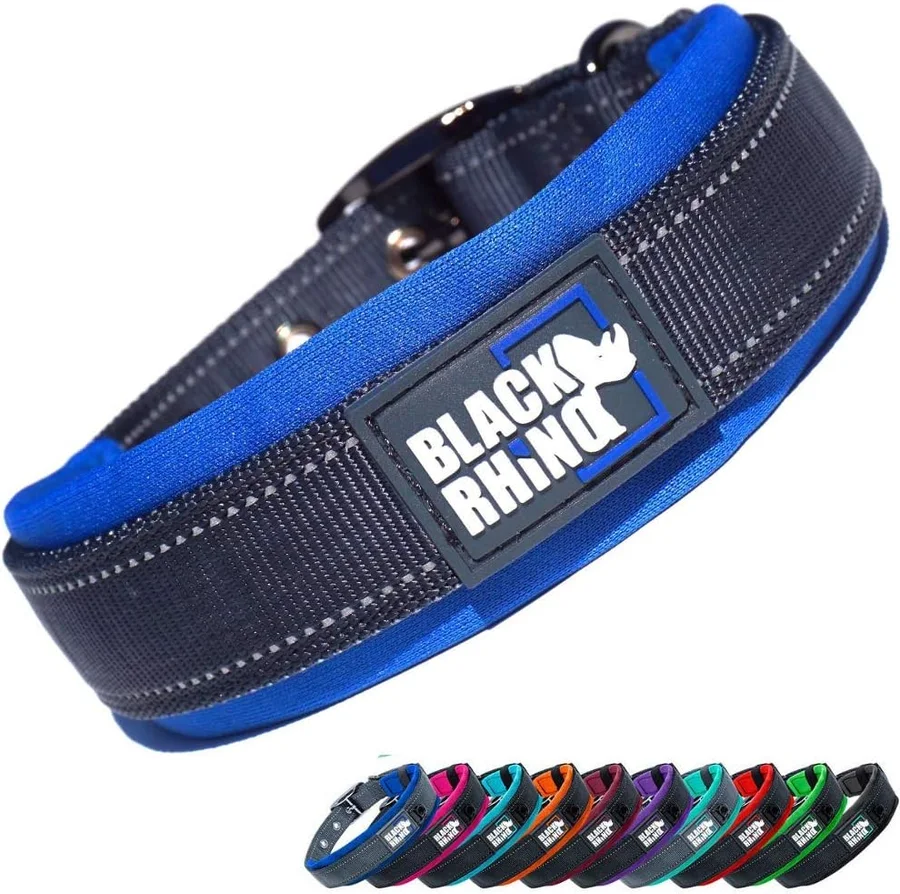
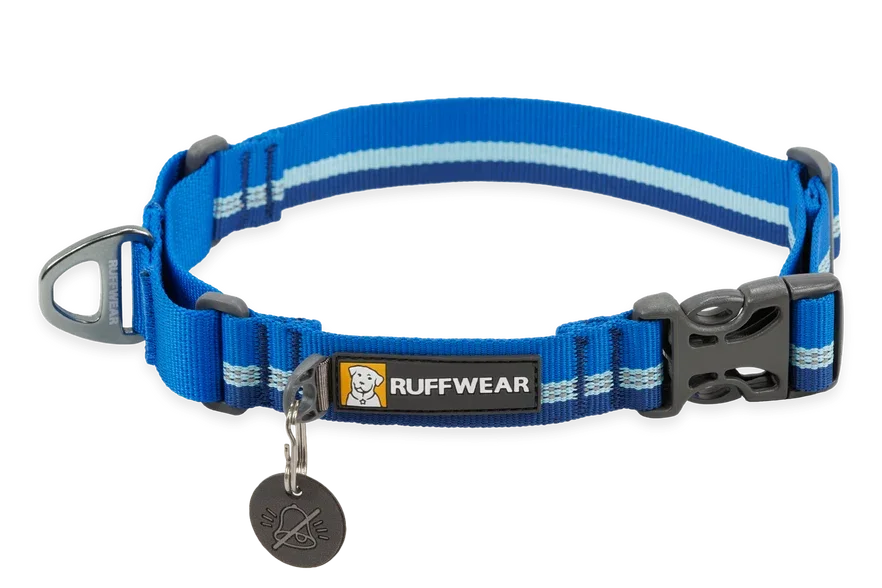
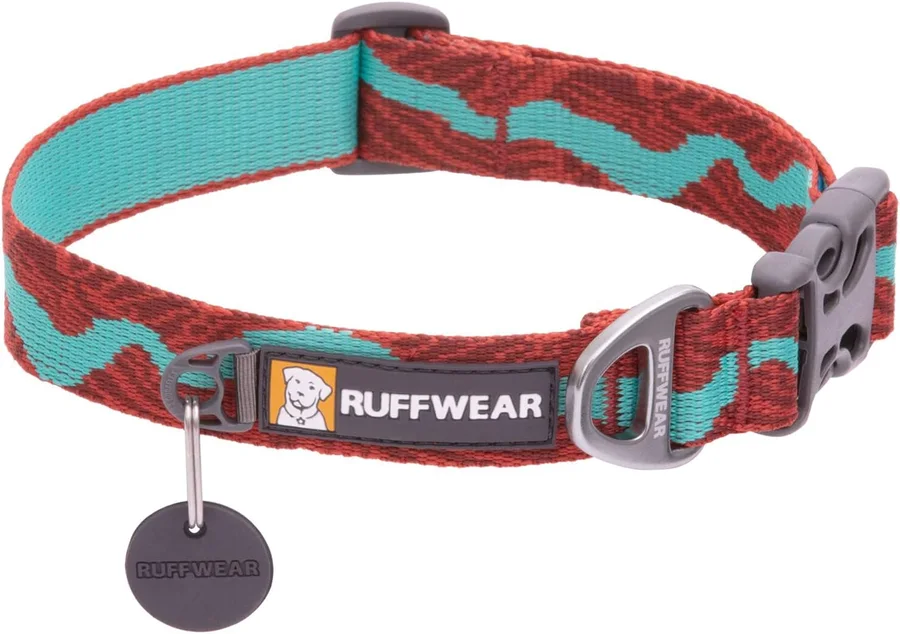
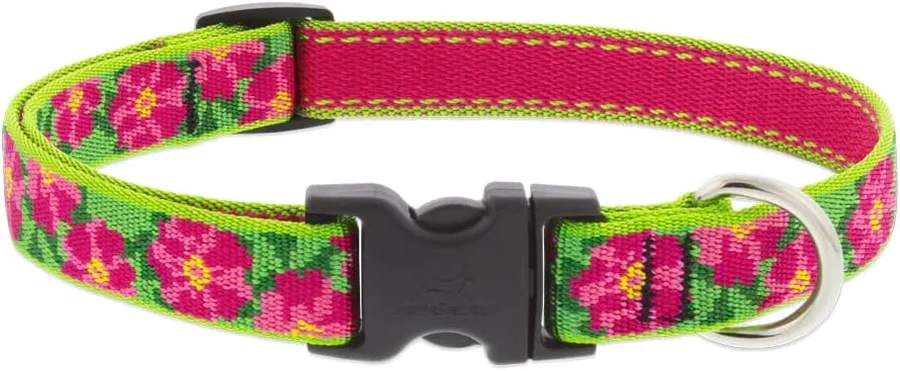
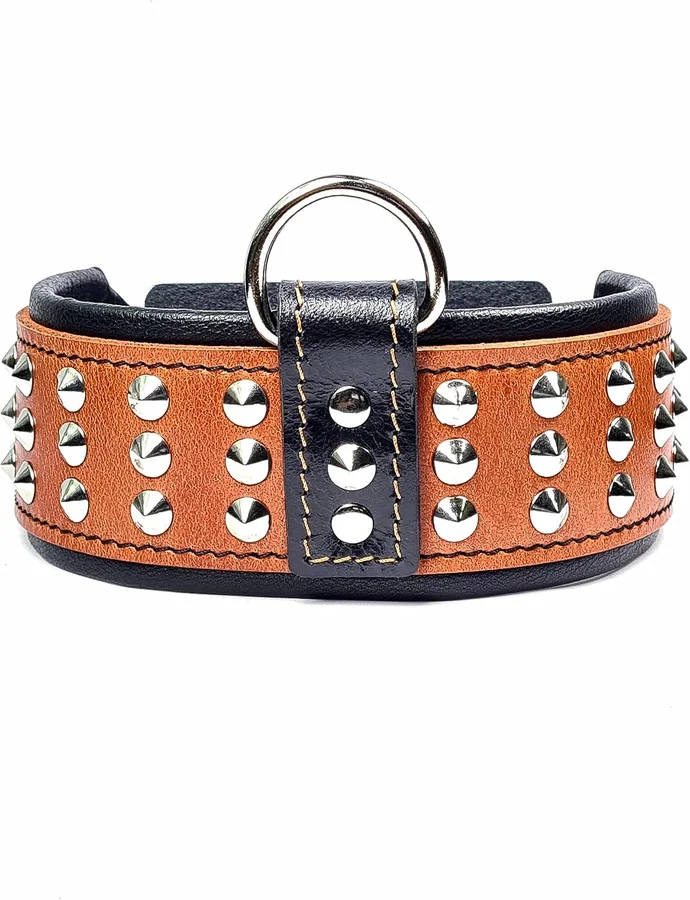
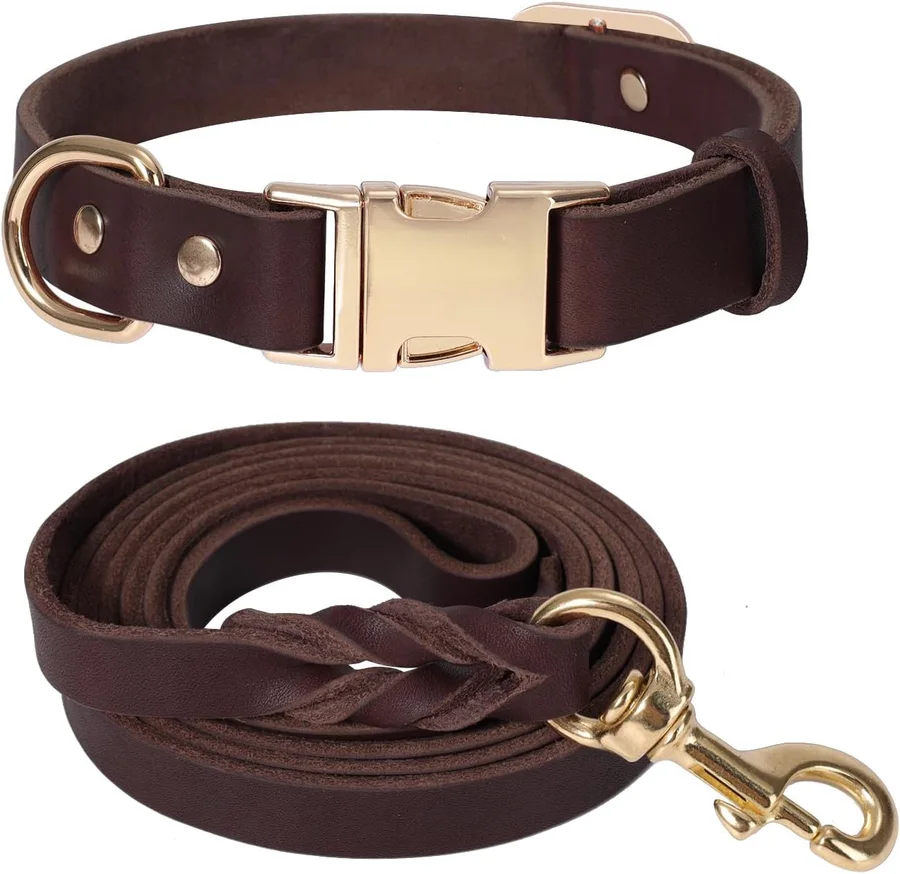
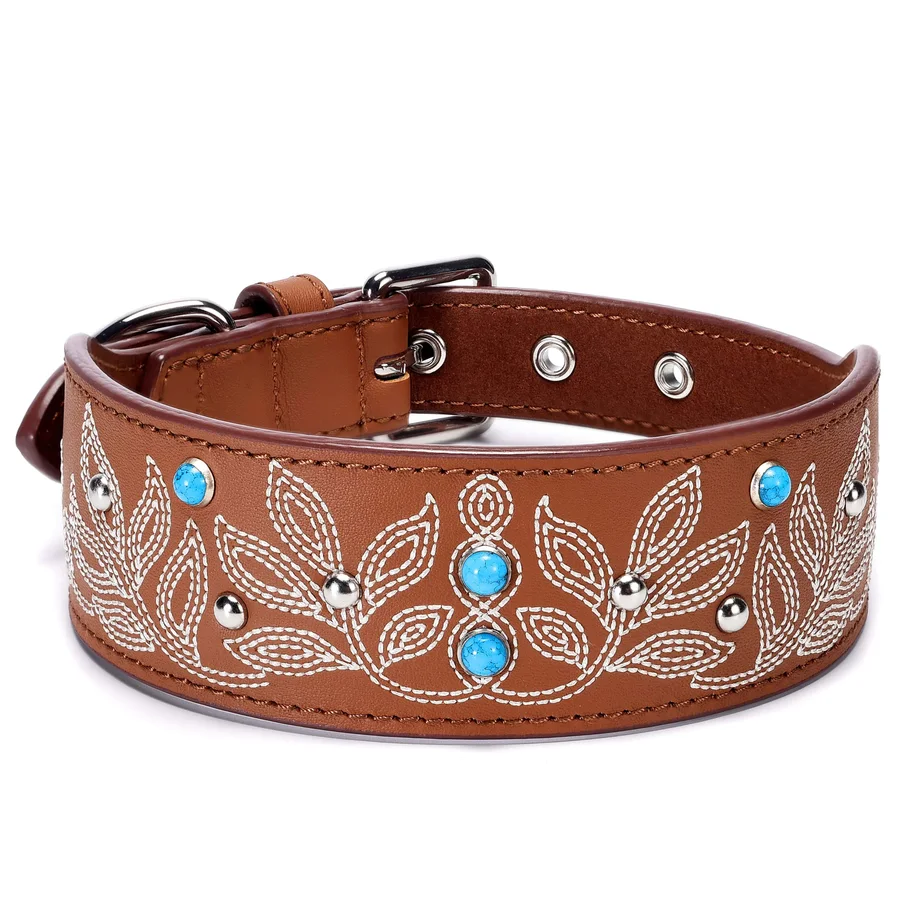
Match the material and closure to daily life. Nylon is light and washable but can hold water and odor. TPU- or COLLARTEX-coated webbing sheds moisture and mud more readily, though hardware still needs rinsing and drying. Neoprene adds cushioning but also bulk. Genuine leather can become comfortable and durable with care, but it should not be soaked and decorative studs need inspection. A martingale is for limited-cinch security on dogs that back out; set the closed size carefully and do not use it as a punishment or an automatic cure for pulling. No collar in this list is appropriate for unsupervised tie-out.
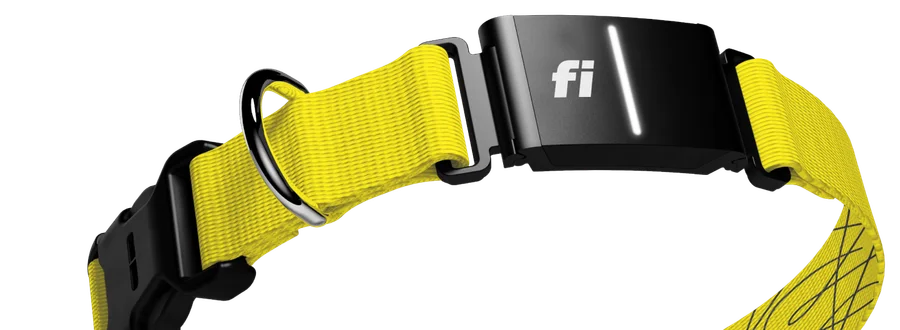
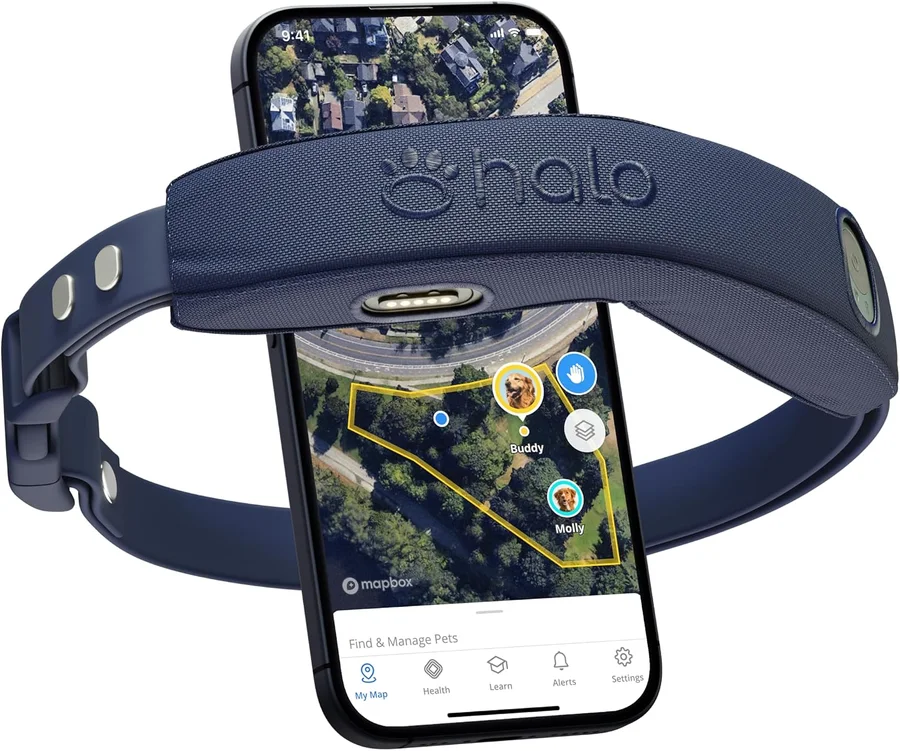
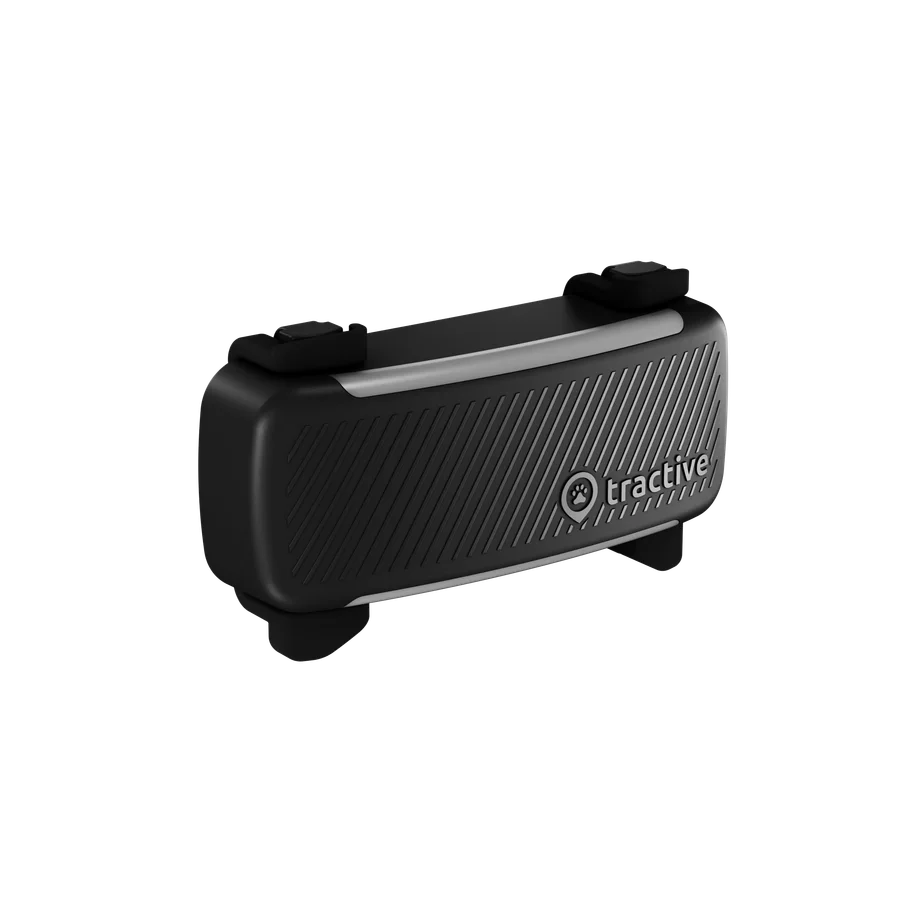
Separate tracking, alerts, and containment. Fi Series 3+ and Tractive DOG 6 use GPS plus mobile networks to send location and safe-zone alerts, so they need a paid plan, supported country/carrier coverage, a charged battery, and enough sky and radio access. Their virtual zones notify the owner but do not stop the dog. Halo Collar 4 can deliver boundary feedback after a structured introduction, but GPS boundaries can shift and should not replace a physical fence near roads, hazards, livestock, or other high-consequence edges. Keep identification and a microchip current even when using electronics.
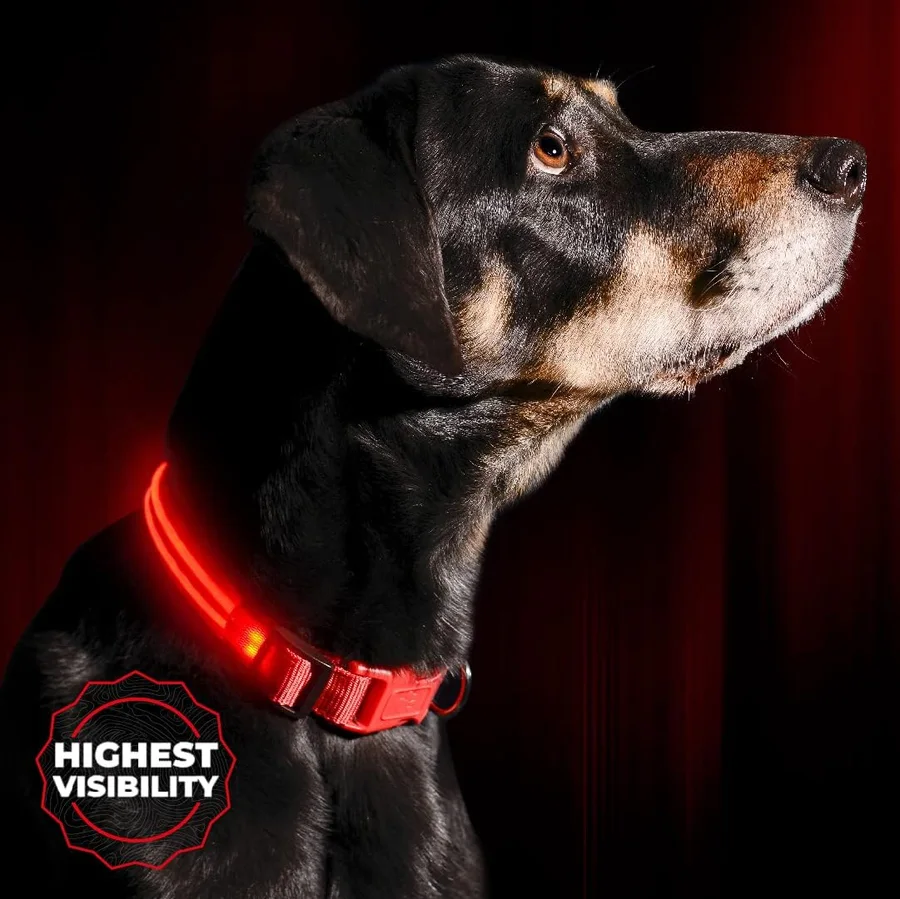
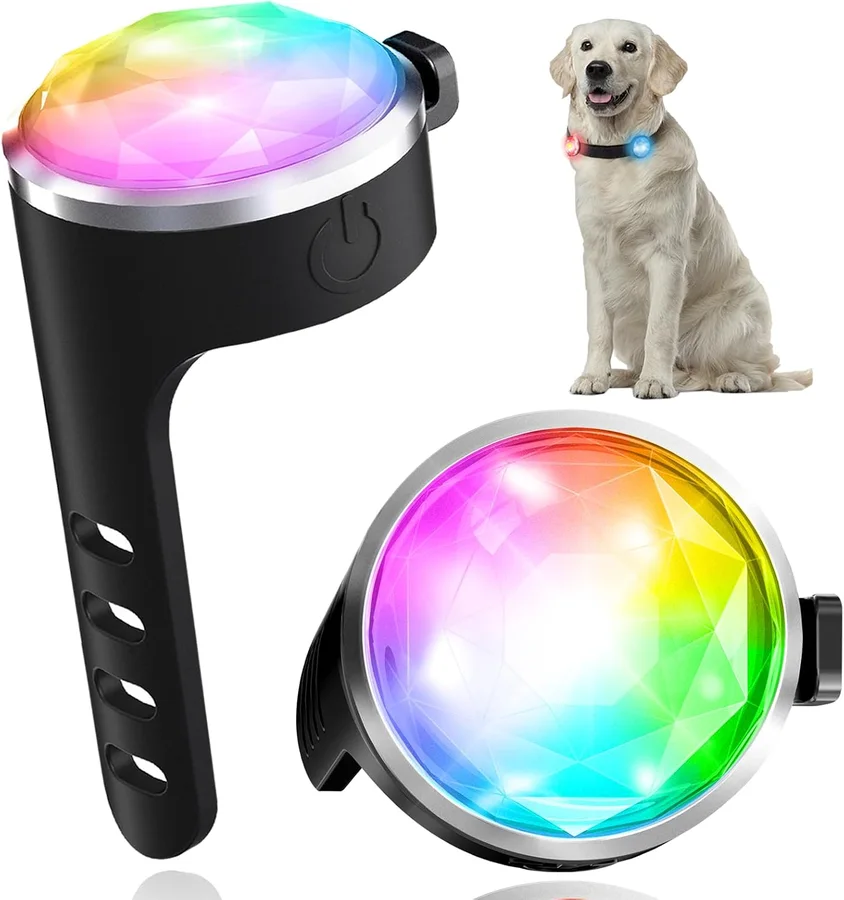
Treat visibility features as layers, not guarantees. LEDs can be obscured by fur, body position, depleted batteries, weather, or viewing angle. Reflective thread only returns light aimed at it, and phosphorescent glow must first be charged by light. For road walks, use a short leash, choose well-lit routes, wear human-visible lighting or reflective gear, and assume a driver has not seen you. Test the device before leaving and carry a backup light on longer outings.
Read water language precisely. 'Weatherproof,' 'water-resistant,' coated webbing, IPX5, IPX7, IP68, and IPX9K describe different materials or test conditions. IPX9K concerns high-pressure hot-water spray, while immersion ratings apply only to specified laboratory conditions. Charging ports, straps, tags, leather, and metal hardware may have different limits from an electronic module. Follow the exact manual, close port covers, rinse after salt water, dry before charging, and never infer indefinite depth or duration from the word waterproof.
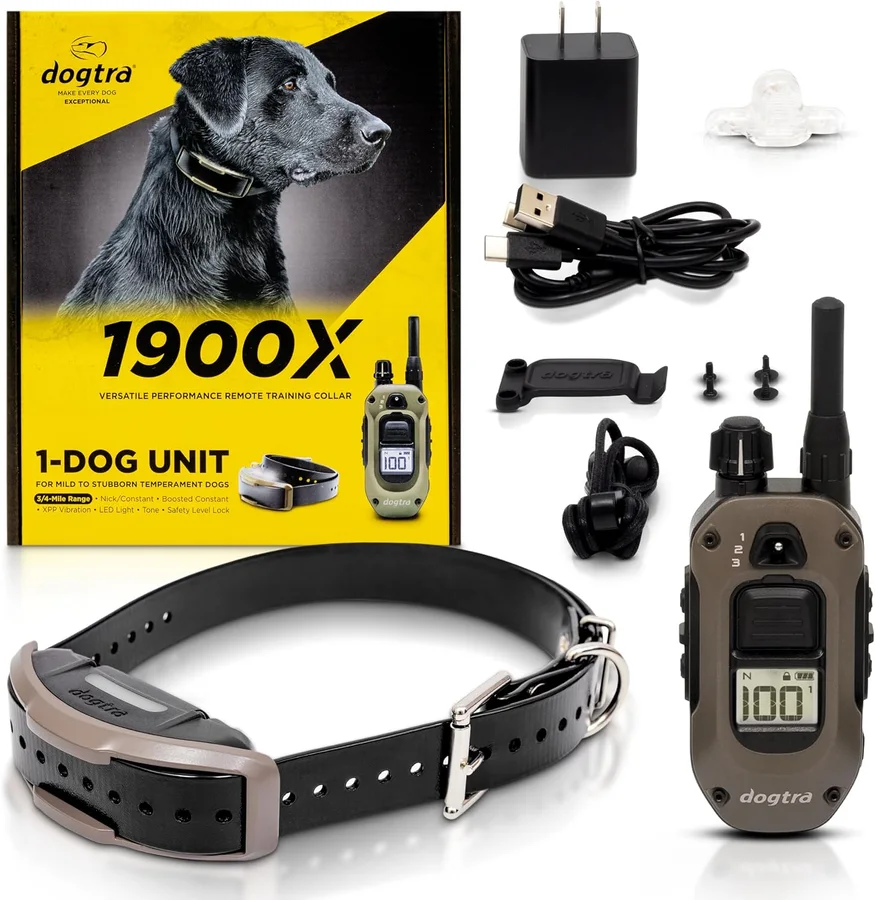
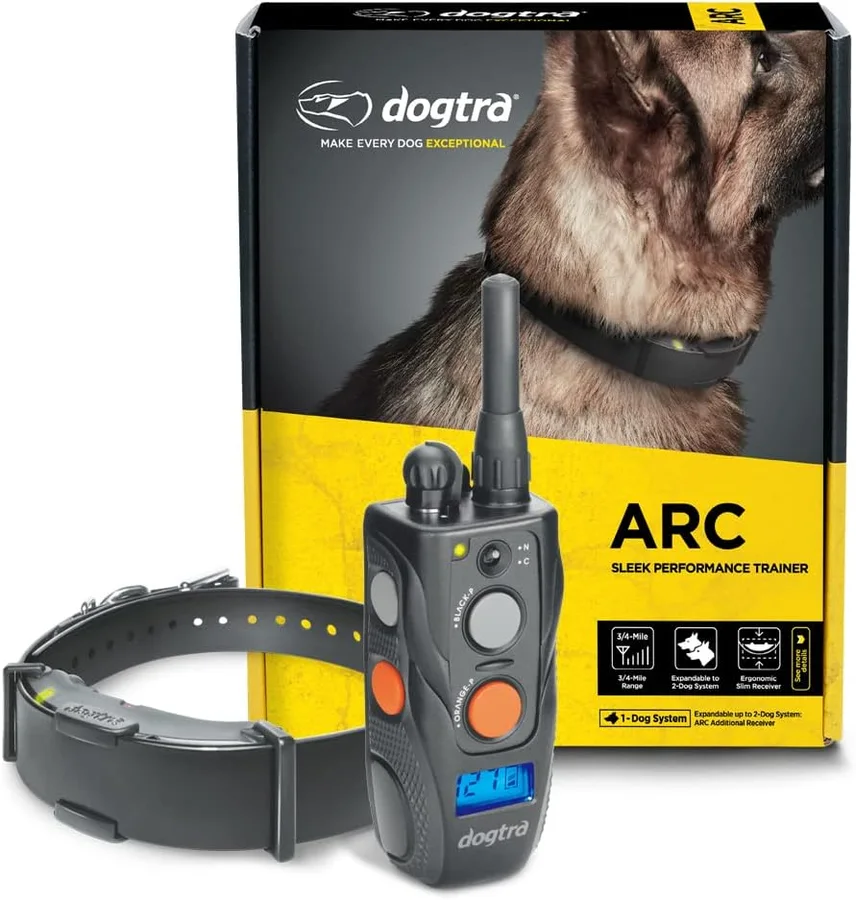
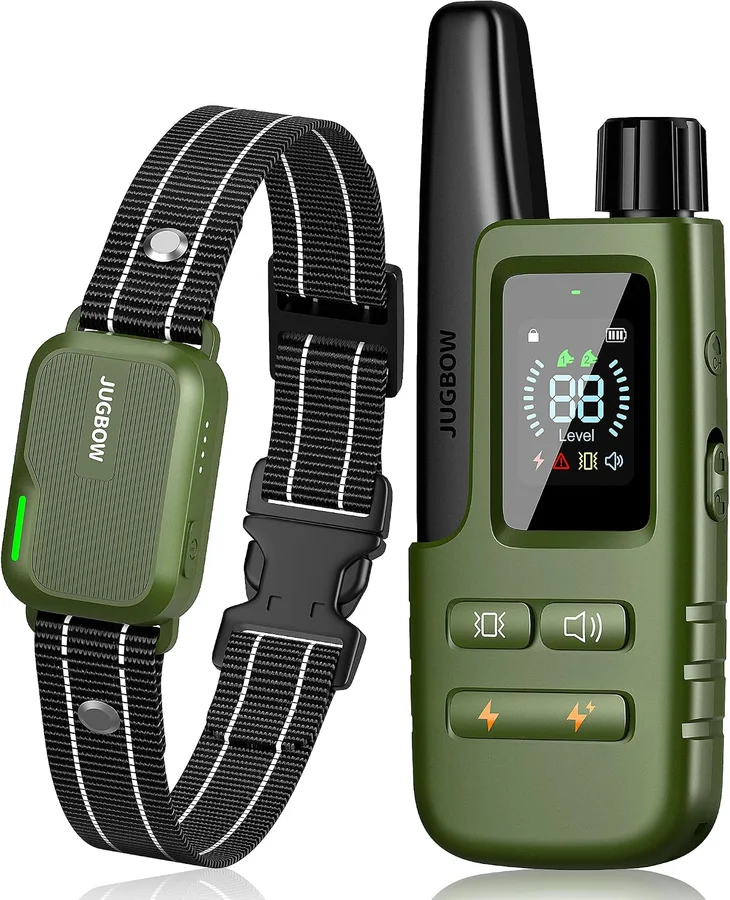
Reward-based training should be the default. The American Veterinary Society of Animal Behavior recommends reward-based methods and advises against electronic collars and other aversive tools. For recall, reactivity, aggression, fear, escape behavior, or leash pulling, consult a veterinarian and a credentialed reward-based behavior professional. If an electronic collar is already being considered or used, professional welfare guidance, the least intrusive approach, correct contact fit, frequent neck checks, short wear periods, and strict prevention of punitive or unsupervised use are minimum constraints, not proof that the tool is suitable for every dog.