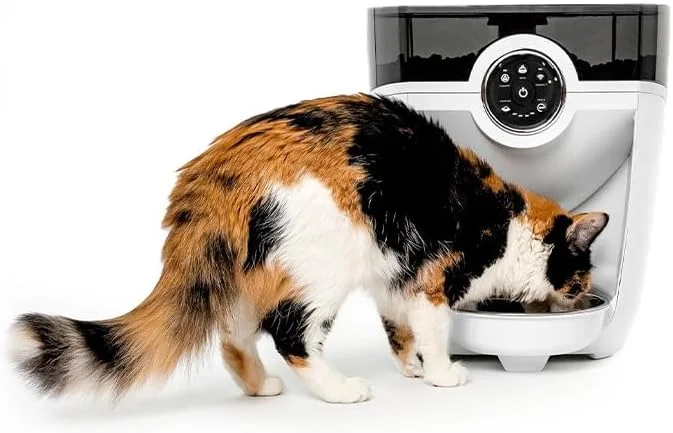
Premium Choice
Whisker Feeder-Robot
A polished app-controlled dry hopper with detailed compatibility guidance.
Compare products using researched specifications, features, and retailer information.
Last reviewed:

Overview
Automatic feeders solve different problems: timing dry meals, keeping wet meals covered or cool, preventing one pet from eating another's food, or combining identity access with a feeding schedule. These products are grouped by the problem they verifiably solve rather than by gadget count.
A polished app-controlled dry hopper with detailed compatibility guidance.
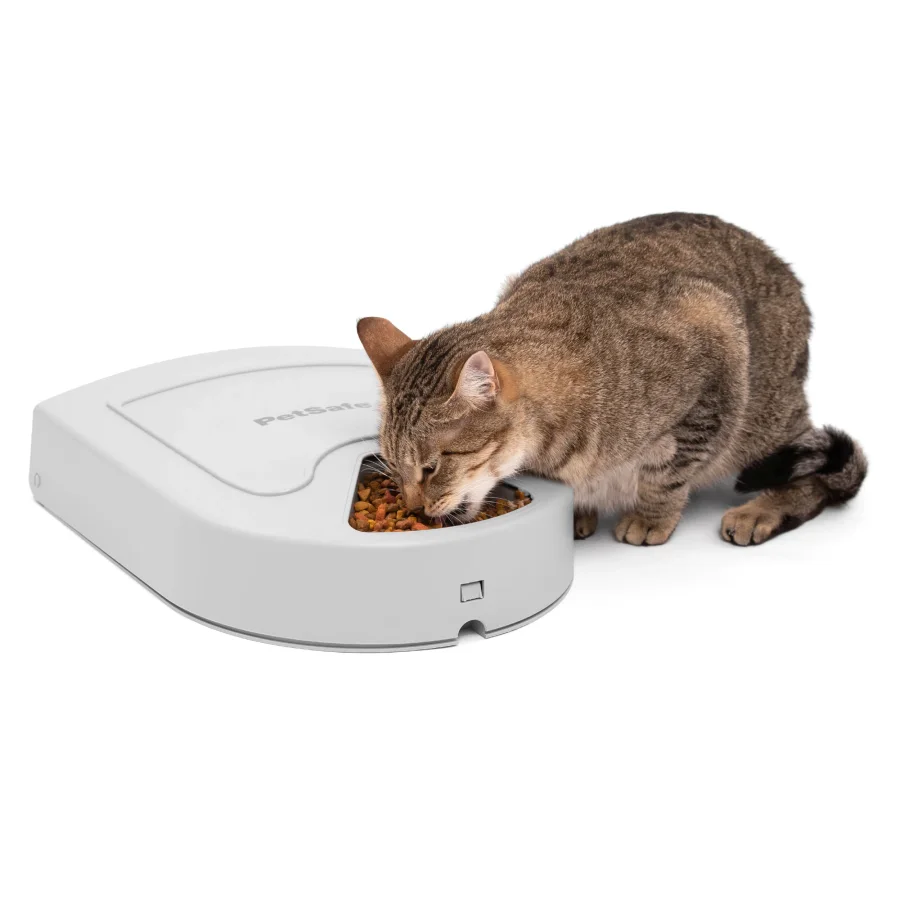
Simple local scheduling and directly measured compartments without app setup.
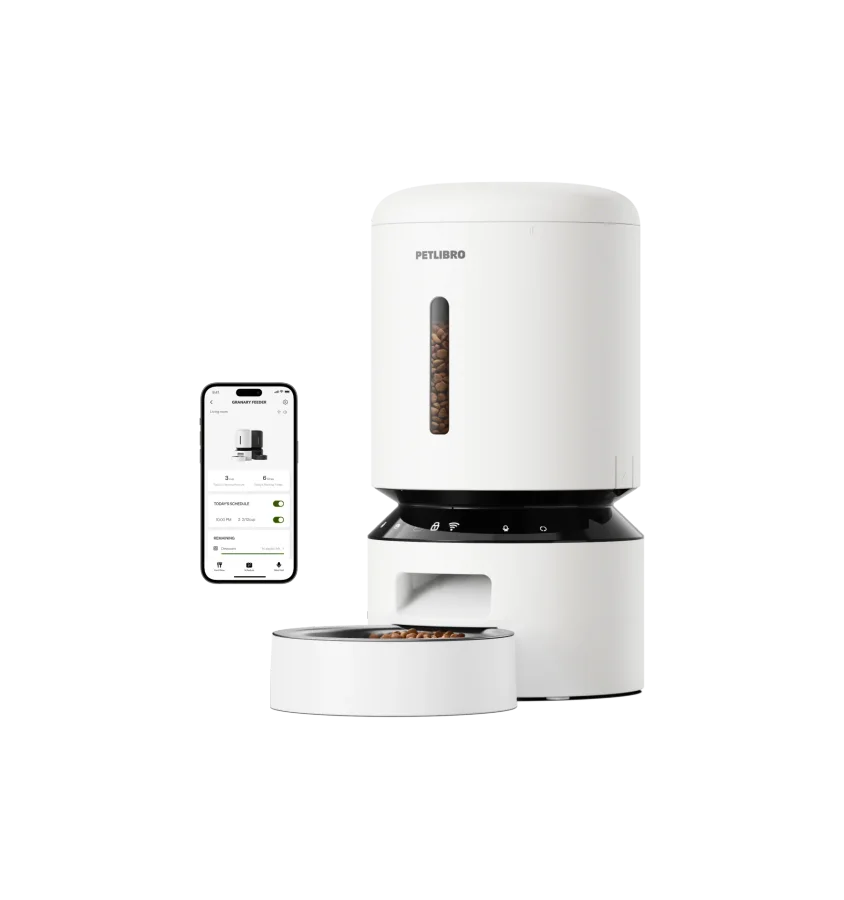
A current mainstream smart feeder with clearly documented variants and backup support.
Add your pet for personalized picks.
Loading pet details...
Filter by feature:
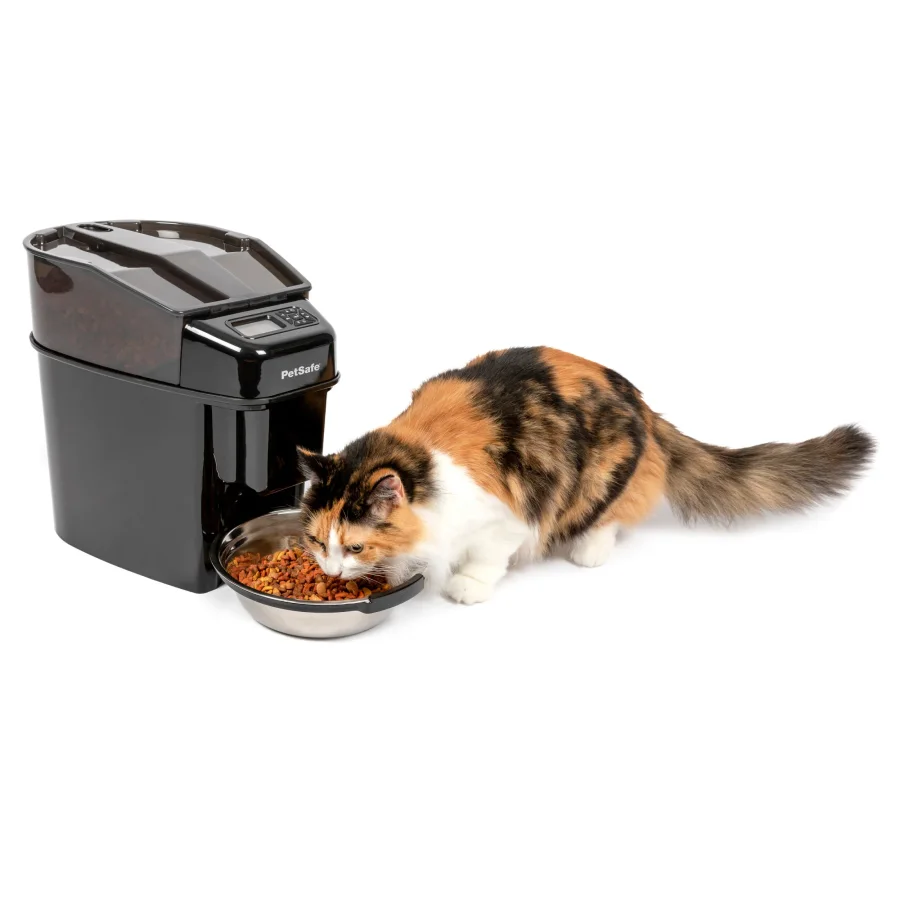
A locally programmed conveyor feeder for dry or semi-moist food. PetSafe specifies up to 12 meals daily, 1/8- to 4-cup programmed portions, four D-cell batteries, and an optional wall adapter.
Why we recommend it
A well-documented offline dry-food feeder for owners who value local controls over app features.
Pros
Cons
Best for
A 5 GHz/2.4 GHz Wi-Fi dry-food hopper with app scheduling and a stainless-steel bowl. The exact Granary Smart Feeder is distinct from PETLIBRO's camera and dual-bowl models.
Why we recommend it
A mainstream app-controlled hopper with a direct current product page and clearly separated variants.
Pros
Cons
Best for
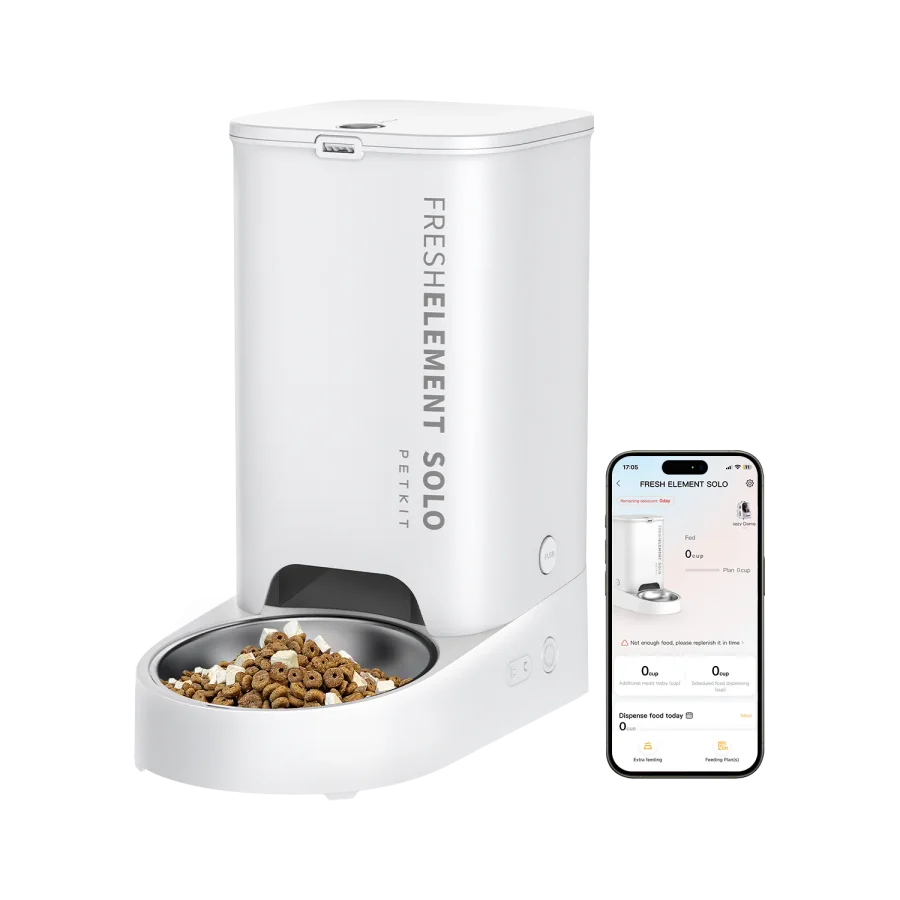
A compact app-connected dry-food feeder with a stainless-steel bowl, scheduled dispensing, and battery backup. Buyers should use the exact SOLO page because PETKIT sells several Fresh Element variants.
Why we recommend it
A compact smart-feeder option with current manufacturer documentation.
Pros
Cons
Best for
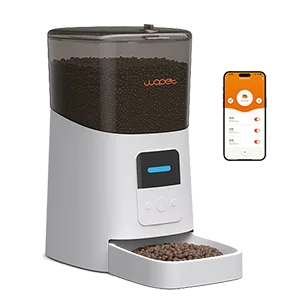
A 6-liter app-connected dry-food feeder marketed for up to 15 scheduled meals. WOPET identifies dual power and dry-food size limits on the exact Patrol PDP.
Why we recommend it
A larger-hopper alternative with a verifiable model name instead of an ambiguous generic '6L feeder.'
Pros
Cons
Best for
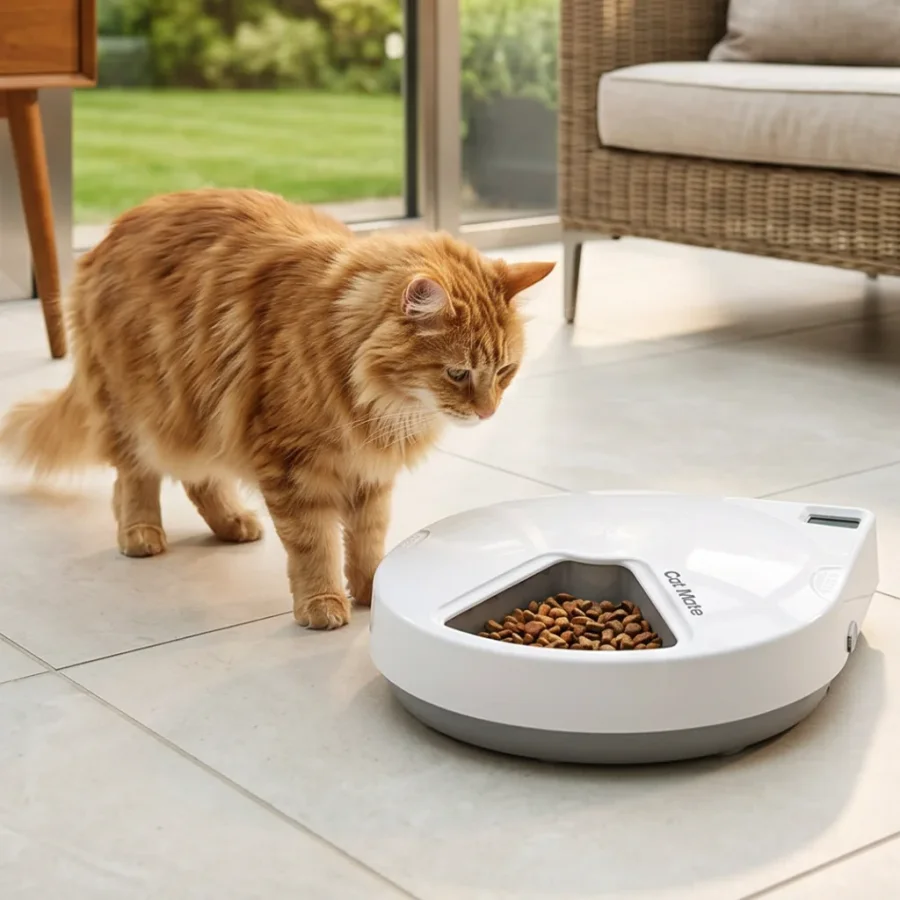
A five-compartment digital tray feeder for wet or dry food, supplied with ice packs and powered by AA batteries. One compartment is available immediately and four can open on the programmed schedule.
Why we recommend it
A proven wet-food-capable tray format with local programming and directly measured meals.
Pros
Cons
Best for
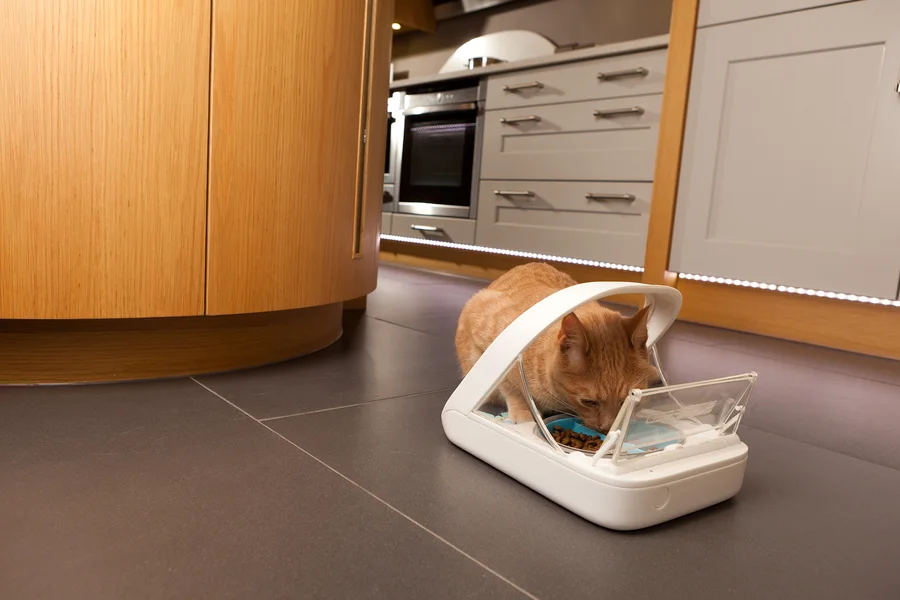
An access-controlled bowl that opens for a registered implanted microchip or SureFlap collar tag. It separates food between pets but does not dispense new meals on a clock.
Why we recommend it
A clear solution when food theft or diet separation is the real problem rather than meal timing.
Pros
Cons
Best for
A battery-powered five-compartment carousel for dry or semi-moist food. PetSafe does not identify this model for canned wet food, so it is not tagged as wet-food compatible.
Why we recommend it
A simple local-schedule carousel for directly measured dry or semi-moist portions.
Pros
Cons
Best for
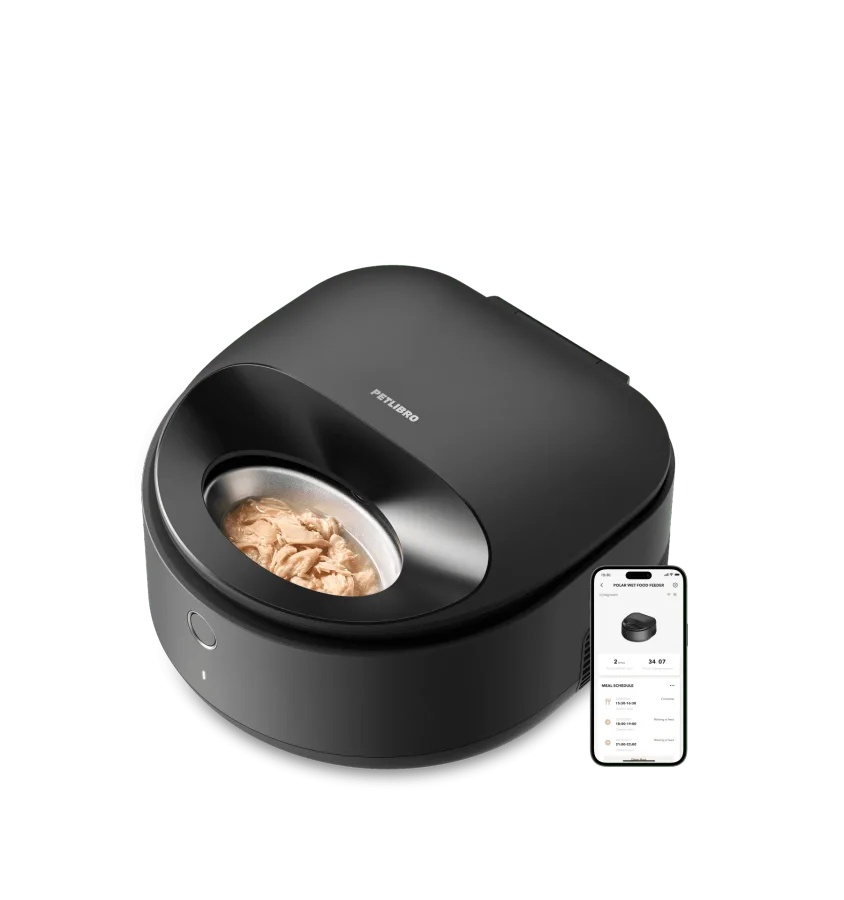
A three-meal app-controlled wet-food feeder with semiconductor cooling. PETLIBRO publishes the laboratory cooling conditions and a preservation window; owners must still follow cleaning and food-safety instructions.
Why we recommend it
A genuinely wet-food-specific smart feeder rather than a dry hopper relabeled for canned meals.
Pros
Cons
Best for
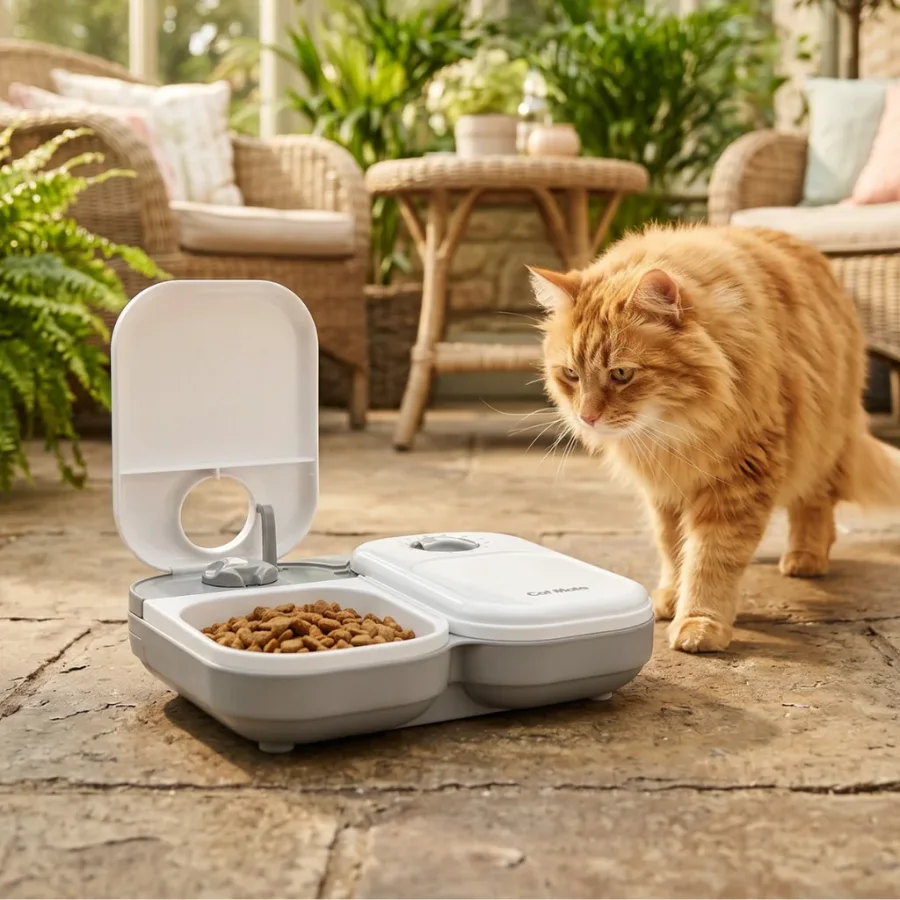
A two-lid analog timer feeder for wet or dry food, supplied with an ice pack and powered by one AA battery. Each lid has its own timer for short scheduling gaps.
Why we recommend it
A low-complexity wet-food-capable option when only one or two later meals are needed.
Pros
Cons
Best for
A Wi-Fi dry-food hopper with app schedules, feeding history, and an optional backup battery. Whisker publishes compatible kibble dimensions and serving ranges on the exact PDP.
Why we recommend it
A premium smart hopper for owners who value app history and ecosystem integration.
Pros
Cons
Best for
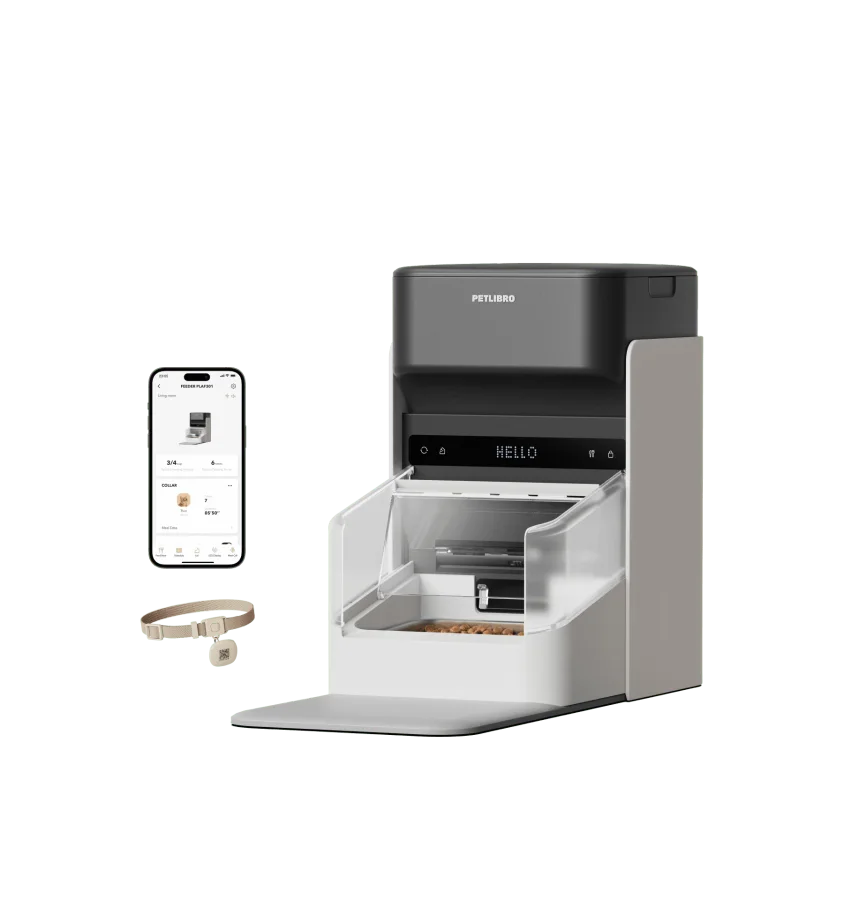
A dry-food hopper that opens for PETLIBRO's supplied RFID collar tag and records that tagged pet's feeding in the app. It does not read implanted microchips.
Why we recommend it
A timed-and-access-controlled option for multi-pet homes, with the collar-tag limitation stated clearly.
Pros
Cons
Best for
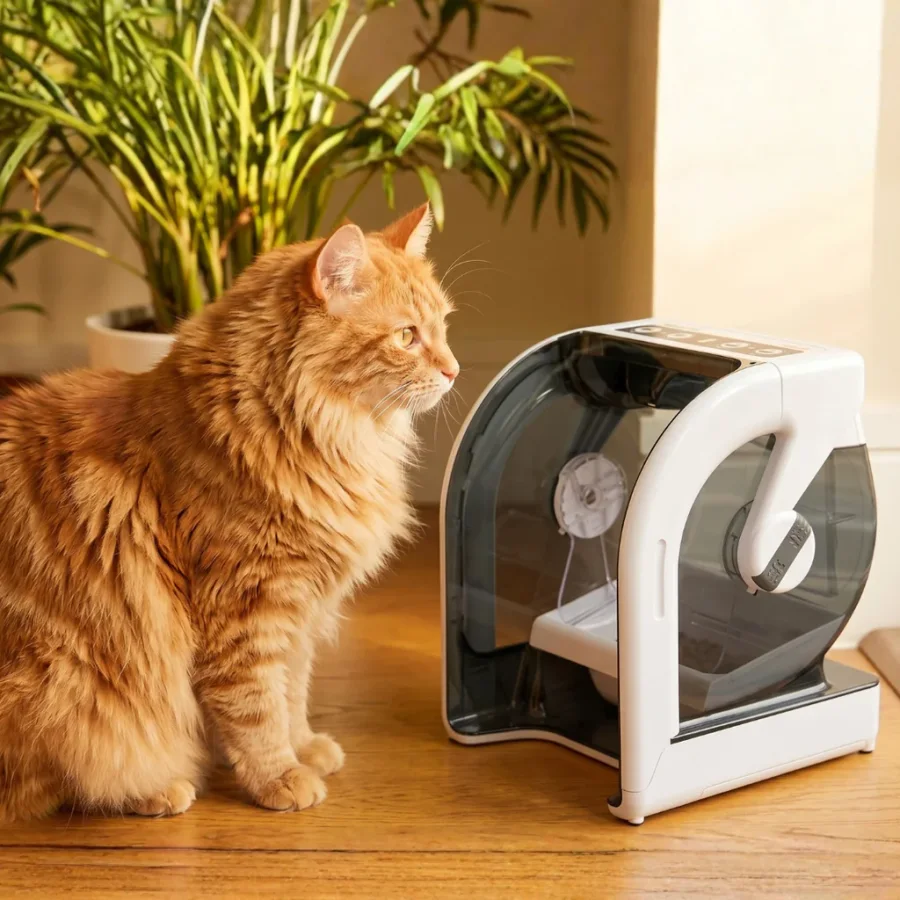
An access-controlled bowl that reads common implanted microchips or the included collar tag and runs on C-cell batteries. It protects a measured bowl from other pets but does not schedule multiple dispenses.
Why we recommend it
A second true implanted-microchip option, adding credible coverage beyond a single brand.
Pros
Cons
Best for
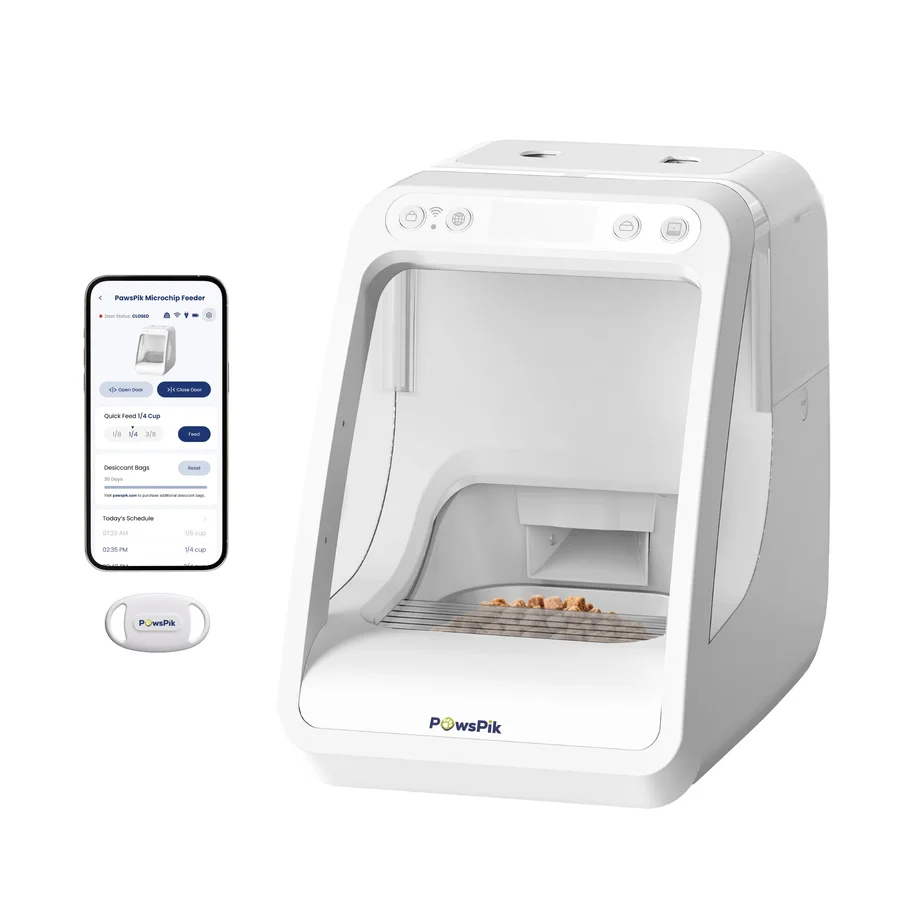
The US Pearl White variant combines access for compatible 15-digit ISO implanted microchips or the included PawsPik RFID tag with app-scheduled dry-food dispensing. PawsPik publishes a 16-cup hopper, up to 10 meals per day, 1/8- to 1/2-cup programmed portions, a stainless-steel bowl, and backup-battery support.
Why we recommend it
The only feeder in this comparison that combines implanted-microchip access with scheduled automatic dry-food dispensing.
Pros
Cons
Best for
Buying Guide
Start with food format and the actual problem. Dry hoppers require calibration with the exact kibble. Wet feeders require stricter cleaning and temperature handling. Identity-access feeders separate pets but may not schedule meals. Test several cycles, power loss, jams, and the cat's response before relying on any feeder. Automation does not replace daily checks of appetite, water, litter boxes, or health.
Weigh repeated dispenses with the exact kibble; programmed units are not a substitute for calibration.
No. Use a product explicitly designed for wet food and follow its cleaning and temperature instructions.
Not always. SureFeed, MiBowl, and PawsPik read compatible implanted microchips; PETLIBRO One uses its supplied collar tag and does not read implanted chips.
Methodology
Last reviewed:
Reviewed 2026-08-28 against exact current manufacturer product-detail pages and manuals for food compatibility, programming method, power source, access technology, meal count, and stated capacity. Microchip coverage distinguishes implanted-chip readers from collar-tag-only RFID. Search, category, and home pages, prices, stock, and unsupported marketplace variants were excluded; identifiers are included only for an exact verified variant.
We may earn a commission through these links, at no extra cost to you. Terms of Service