Premium Choice
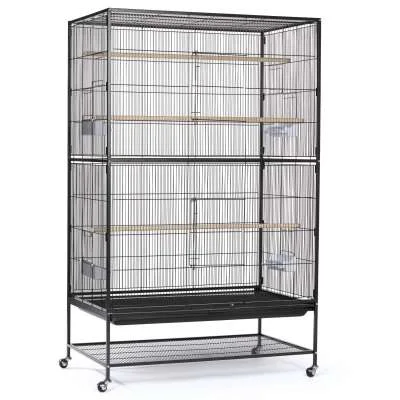
Prevue Pet Products F050 Large Flight Bird Cage
The widest verified flight-cage interior in this set for compatible small birds.
Compare products using researched specifications, features, and retailer information.
Last reviewed:

Overview
A safe bird cage is species-specific housing, not decorative furniture. Width, usable interior space, bar spacing, materials, door security, perch placement, and daily out-of-cage routine all matter. The options below cover flight, everyday, and travel roles; confirm every current specification for the individual bird.
The widest verified flight-cage interior in this set for compatible small birds.
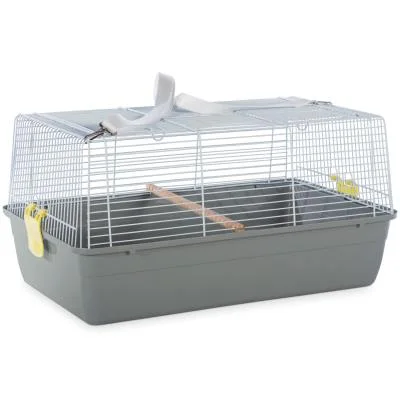
A simple shoulder-strap carrier for short, temporary transport.
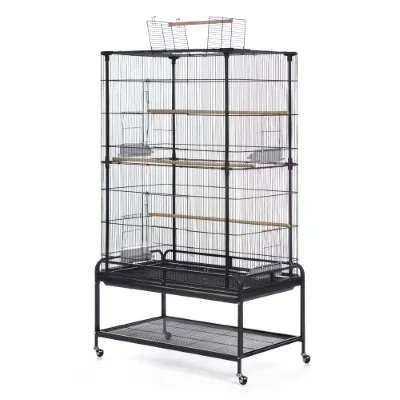
A spacious flight layout with an integrated playtop and rolling stand.
Add your pet for personalized picks.
Loading pet details...
Filter by feature:
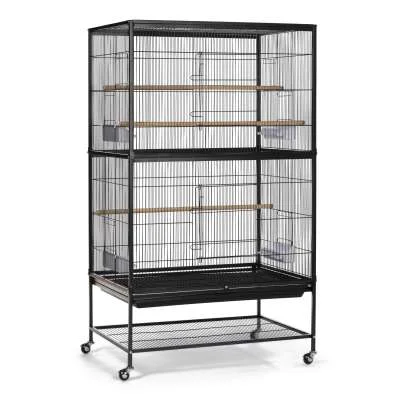
A rolling flight cage with a 30 1/4 x 20 1/4 x 40-inch interior and 1/2-inch wire spacing. Prevue markets it as a home for multiple parakeets, canaries, or finches; confirm that the spacing and setup suit each bird.
Why we recommend it
A practical flight-cage baseline with more horizontal room than narrow tower cages, plus a rolling stand and removable debris tray.
Pros
Cons
Best for
A large rolling flight cage with a 36 1/8 x 22 1/8 x 47-inch interior and 1/2-inch wire spacing. Its published interior is wider than the F040 while retaining a removable grille and debris tray.
Why we recommend it
The roomiest verified horizontal flight option in this set for compatible small birds when its 1/2-inch spacing is safe for them.
Pros
Cons
Best for
A rolling flight cage with a 35 1/2 x 22 x 46-inch living space, 7/16-inch wire spacing, and a closeable playtop. It includes four perches, four cups, two front doors, and removable cleaning components.
Why we recommend it
A feature-rich everyday flight cage for compatible small birds when a secure playtop and multiple access doors are useful.
Pros
Cons
Best for
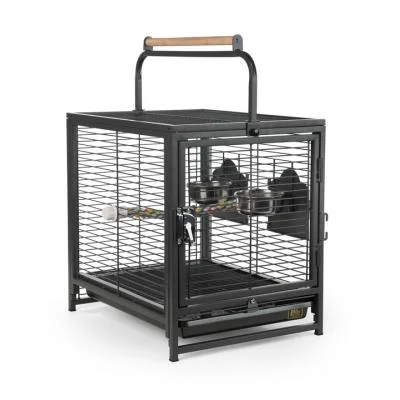
A short-term bird travel cage with an 18 x 14 1/4 x 14-inch interior, 1/2-inch wire spacing, a bird-proof door lock, and welded seat-belt brackets for vehicle travel.
Why we recommend it
The most travel-specific option here, with vehicle restraint brackets, locking cups, and a secure door for compatible birds.
Pros
Cons
Best for
A 23 1/4 x 14 1/4 x 12-inch temporary travel carrier with 1/2-inch wire spacing, a large top-opening door, one perch, and an adjustable shoulder strap.
Why we recommend it
A straightforward portable option when a top opening and shoulder strap are more useful than a rolling or folding cage.
Pros
Cons
Best for
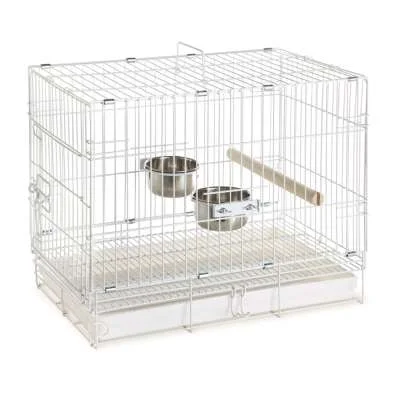
A flat-folding 20 x 12 1/2 x 15 1/2-inch travel cage with a 9 x 9-inch side door, two stainless steel cups, a perch, a pull-out tray, and 3/4-inch wire spacing.
Why we recommend it
A fold-flat short-term cage for compatible medium or large birds; the wide bar spacing makes species verification especially important.
Pros
Cons
Best for
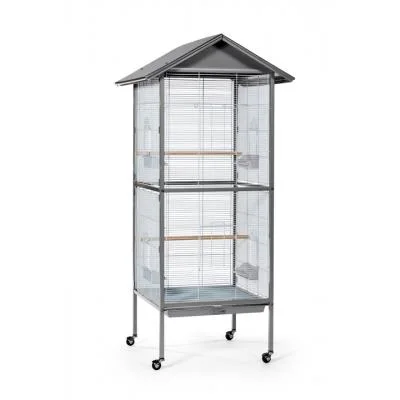
A rolling peaked-roof aviary with a 23 3/8 x 23 x 53 3/4-inch published interior and 7/16-inch wire spacing. It has two front doors, four side cup or nest-box doors, casters, and removable cleaning components.
Why we recommend it
A tall mobile enclosure for compatible extra-small through medium birds when its square footprint and 7/16-inch spacing suit the intended setup.
Pros
Cons
Best for
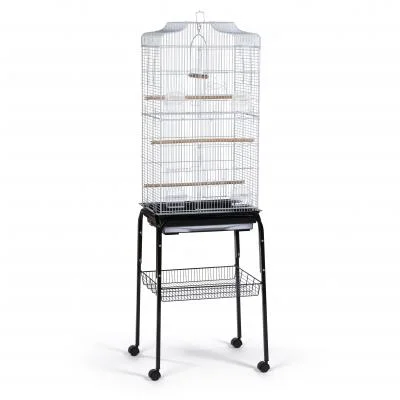
A cage-and-stand kit with a 17 1/4 x 13 x 34-inch interior and 1/2-inch wire spacing. It includes a rolling stand, two large access doors with inset doors, four cups, three perches, a swing, and removable cleaning parts.
Why we recommend it
A compact rolling kit for compatible finches or budgies, with exact interior dimensions that prevent the stand from being mistaken for living space.
Pros
Cons
Best for
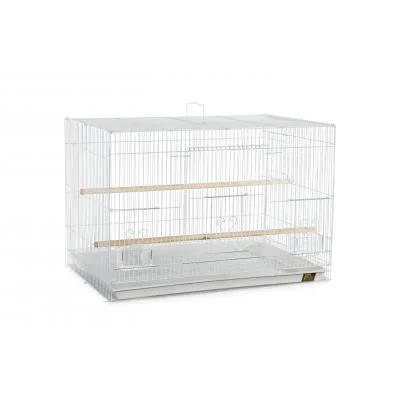
A 23 1/2 x 16 1/4 x 16 3/8-inch powder-coated steel cage with 7/16-inch wire spacing, a large front door, removable plastic tray, two cups, and two perches.
Why we recommend it
A low, relatively wide small-bird cage whose exact dimensions and narrow spacing are directly documented.
Pros
Cons
Best for
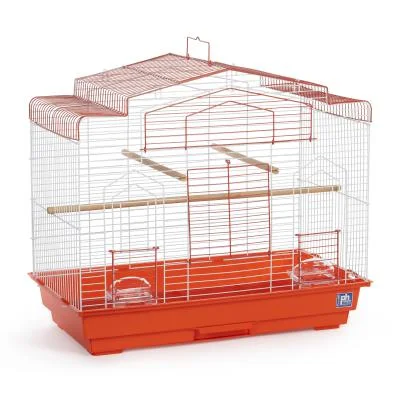
A barn-style 26 x 14 x 23 1/2-inch cage with 1/2-inch wire spacing, front and roof-line landing doors, three perches, two cups, a removable grille, and a pull-out tray.
Why we recommend it
A wider tabletop-format option for compatible parakeets or cockatiels, with two landing-style access doors.
Pros
Cons
Best for
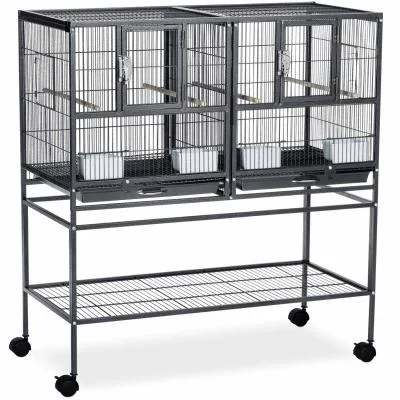
A 37 1/2 x 18 x 20 1/2-inch divided cage on a rolling stand with 1/2-inch spacing. The divider can be removed for one wider space; two trays, two grilles, four cups, and four perches are included.
Why we recommend it
A wide rolling system for compatible small birds when the divider, breeding-oriented doors, and low interior height suit the intended use.
Pros
Cons
Best for
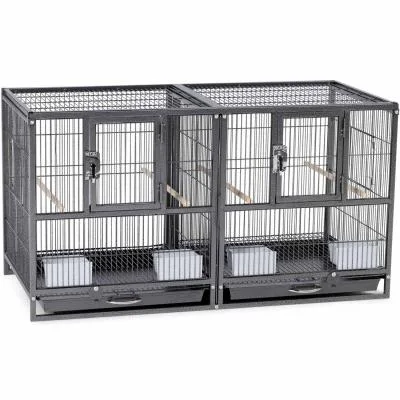
A stackable 37 1/2 x 18 x 20 1/2-inch divided cage with 1/2-inch spacing. It can be used as one wider cage with the divider removed and includes two trays, two grilles, four cups, and four perches.
Why we recommend it
A stand-free modular version of the Hampton system for compatible small birds, with a removable divider and exact spacing.
Pros
Cons
Best for
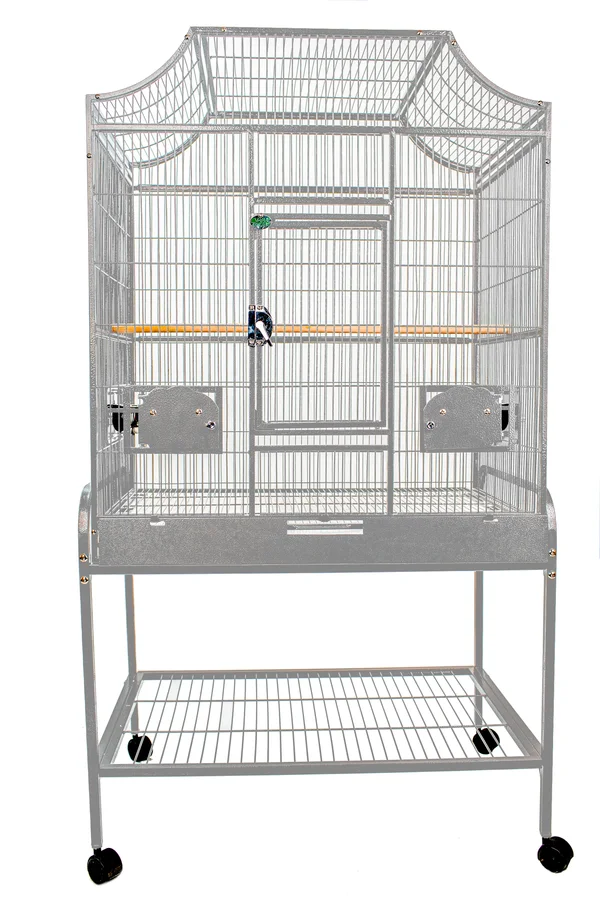
A rolling powder-coated flight cage with a 32 x 21 x 61-inch exterior, 31-inch interior height, and 1/2-inch bar spacing. It has horizontal side bars, four swing-out feeder doors with stainless-steel cups, one perch, and a slide-out grille and tray.
Why we recommend it
A credible non-Prevue flight-cage alternative with a wide footprint, published spacing, stainless cups, and straightforward cleaning access.
Pros
Cons
Best for
Buying Guide
Bigger is generally better, especially in horizontal usable space. The bird must be able to turn, climb, move between perches, and fully stretch and flap without contacting bars, toys, or dishes. Overall product height can include the stand, so compare internal cage dimensions.
Bar spacing must prevent the head, legs, or body from becoming trapped. Species and individual size matter; do not infer safety from a generic small-bird or parrot label. Inspect welds, coating, sharp edges, gaps, and latches on arrival and throughout use.
Choose a rectangular, easy-to-clean enclosure made from bird-safe material. Arrange varied natural perches so droppings do not contaminate lower perches, food, or water. A travel cage is temporary housing and should be introduced before a trip.
It depends on species and individual size. Confirm with an avian veterinarian or species-specific veterinary guidance; spacing must prevent the head or limbs from becoming trapped.
No. Many birds benefit more from horizontal movement, so compare usable internal width and length rather than overall height.
Generally no. Travel cages prioritize portability and are intended for transport or short temporary stays.
Methodology
Last reviewed:
We compared current manufacturer product pages through 2026-08-28 by intended role, published interior dimensions, bar spacing, access, cleaning features, and portability. We excluded products whose only verifiable destination was a retailer search page. We did not declare a cage safe for every species because spacing and required dimensions must be matched to the individual bird. Stock and price were excluded.
We may earn a commission through these links, at no extra cost to you. Terms of Service