Premium Choice
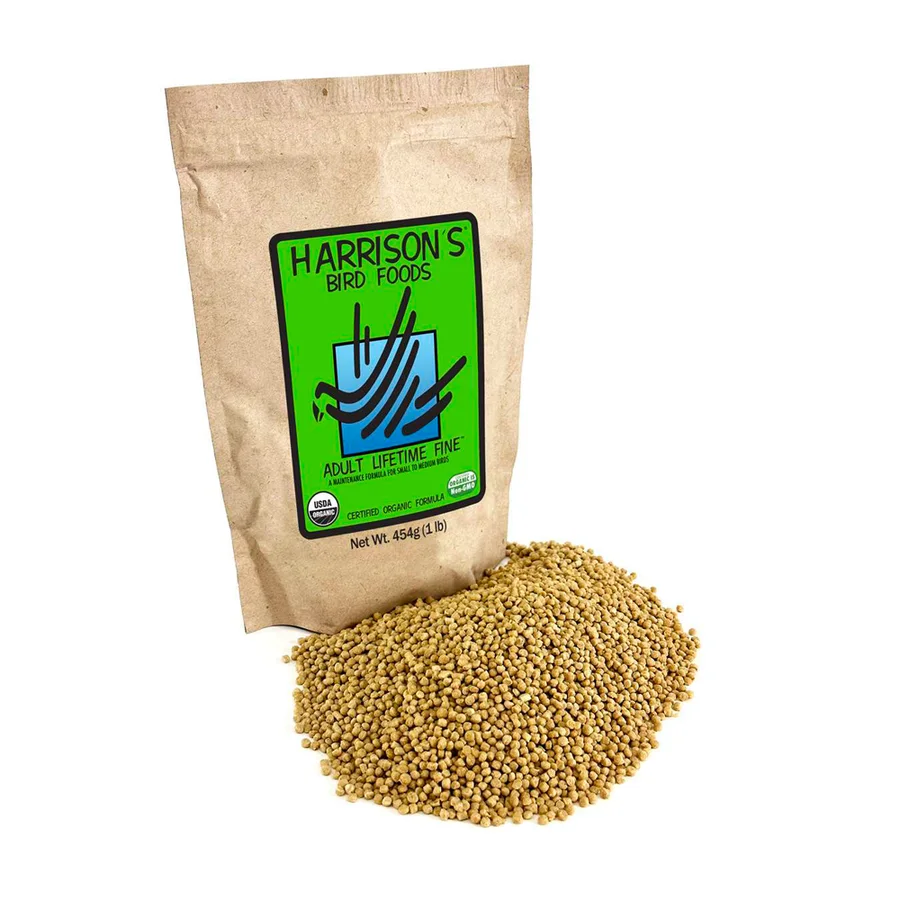
Harrison's Adult Lifetime Fine
Adult Lifetime Fine is a documented organic maintenance pellet for birds that fit its size and post-conversion use.
Compare products using researched specifications, features, and retailer information.
Last reviewed:

Overview
Bird food should be selected by species, particle size, life stage, medical context, and the food the bird demonstrably consumes. This catalog separates maintenance pellets, higher-need formulas, transition products, and seed-forward blends instead of treating every package as nutritionally interchangeable.
Adult Lifetime Fine is a documented organic maintenance pellet for birds that fit its size and post-conversion use.
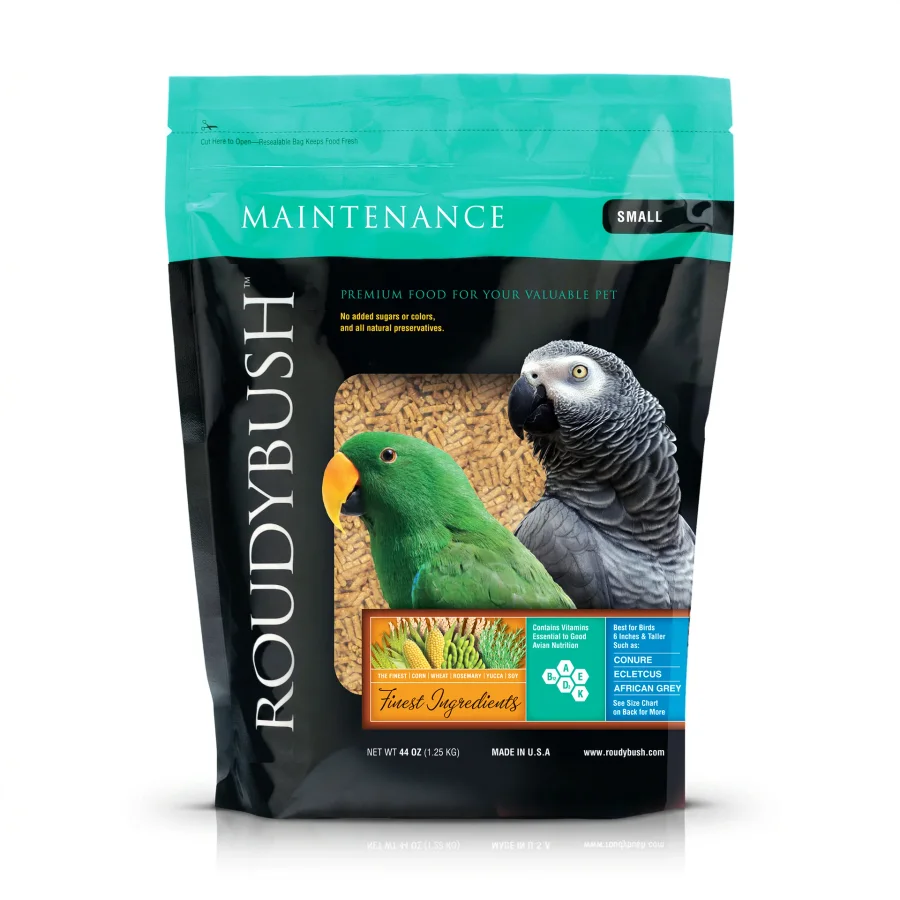
Roudybush Maintenance Mini provides broad maker-listed sizing in a straightforward maintenance formula.
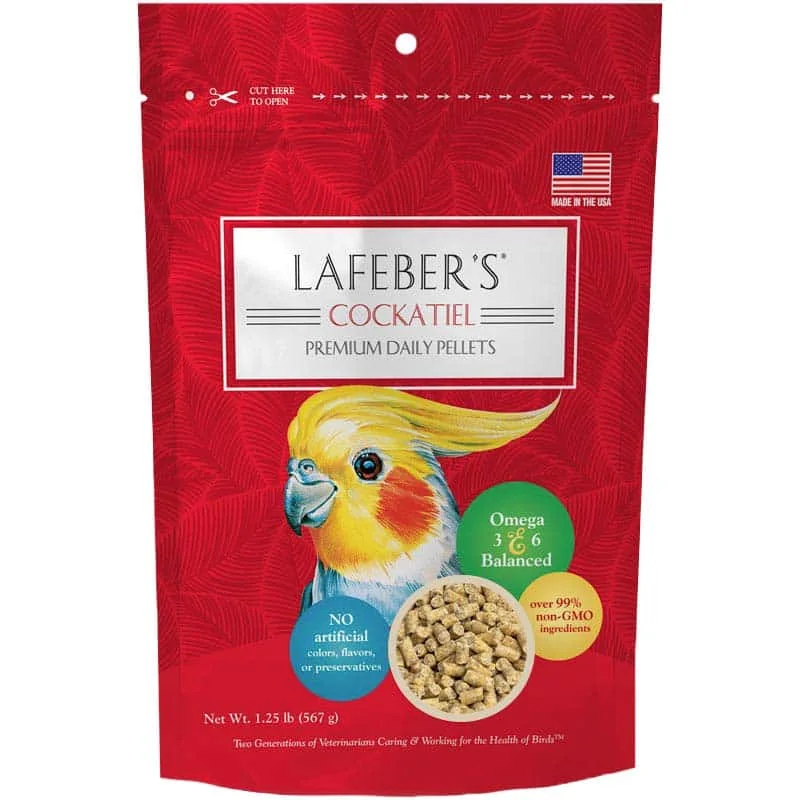
Lafeber's cockatiel pellets pair familiar availability with unusually clear product specifications.
Add your pet for personalized picks.
Loading pet details...
Filter by feature:
A certified-organic maintenance formula in a fine grind. Harrison's lists it for small-to-medium birds after a bird has completed an appropriate conversion program.
Why we recommend it
A well-documented maintenance pellet for birds that match the maker's Fine sizing guidance.
Pros
Cons
Best for
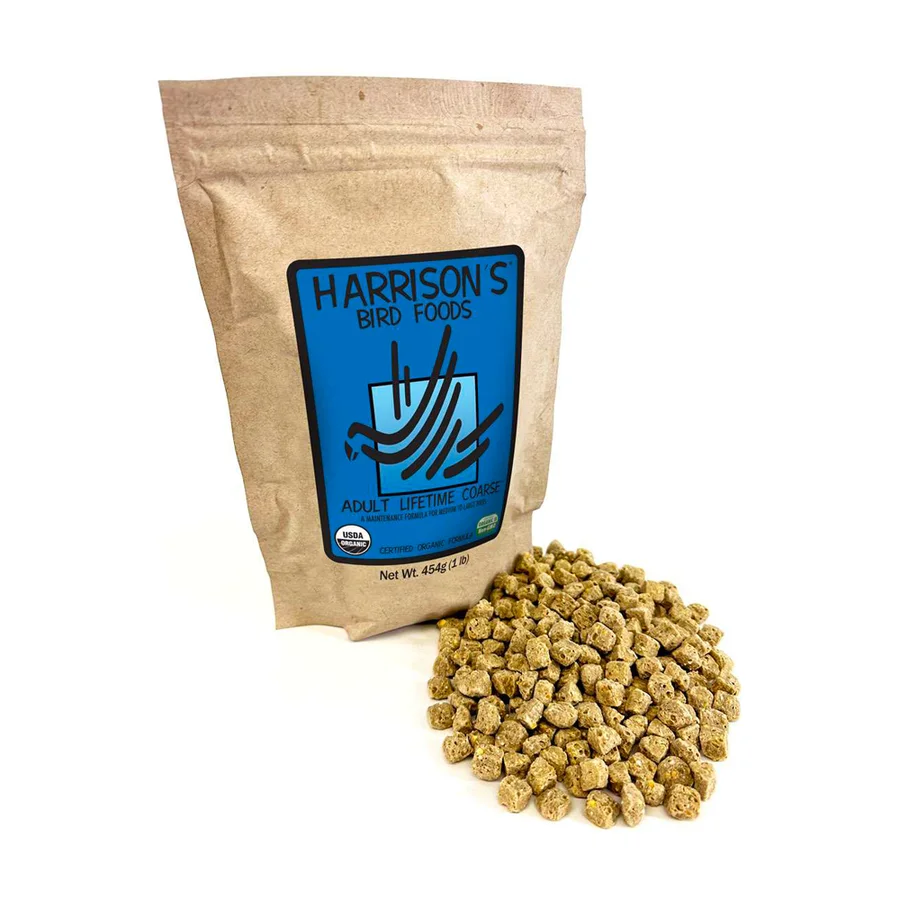
A certified-organic maintenance formula with a coarse particle size. The manufacturer lists it for larger parrots and provides species-specific feeding directions.
Why we recommend it
A larger-particle maintenance option with a current manufacturer formula page.
Pros
Cons
Best for
Roudybush's Maintenance formula in its Mini size. The maker's product selector lists Mini for numerous small companion parrots, including cockatiels, lovebirds, conures, and Quakers.
Why we recommend it
A practical middle pellet size from a long-running avian-diet manufacturer.
Pros
Cons
Best for
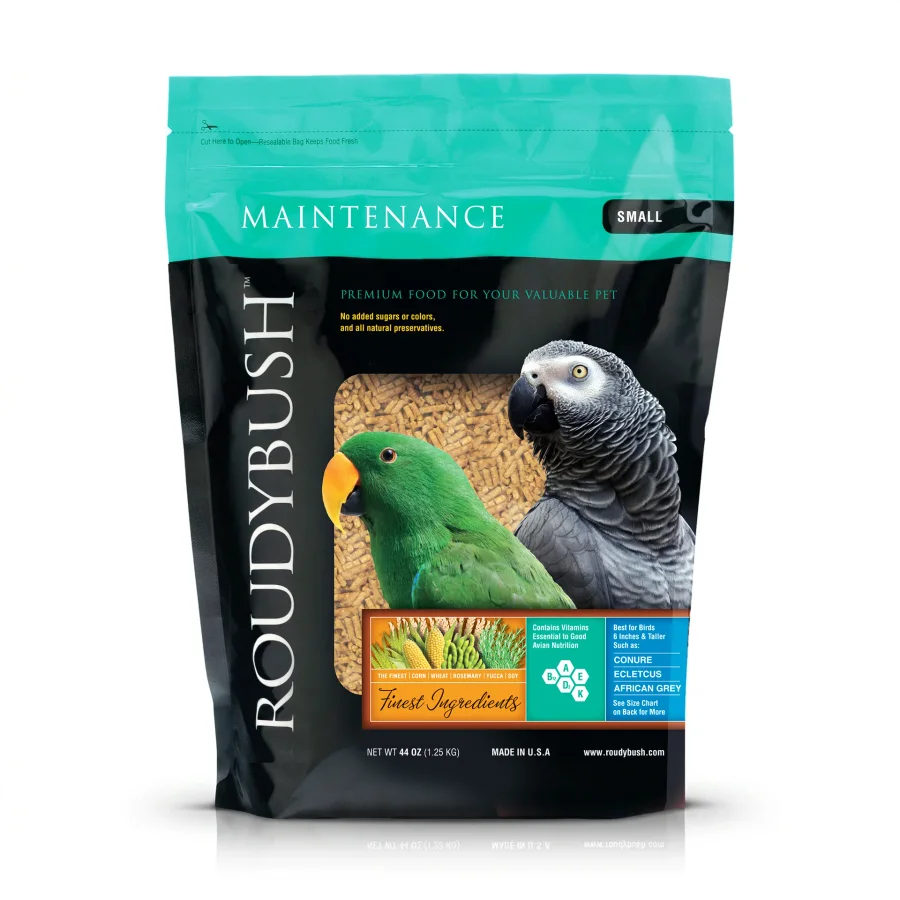
The smallest particle option on Roudybush's current Maintenance product page. It is sold for small birds that need a finer texture than Mini.
Why we recommend it
A credible fine-particle option without treating all small species as interchangeable.
Pros
Cons
Best for
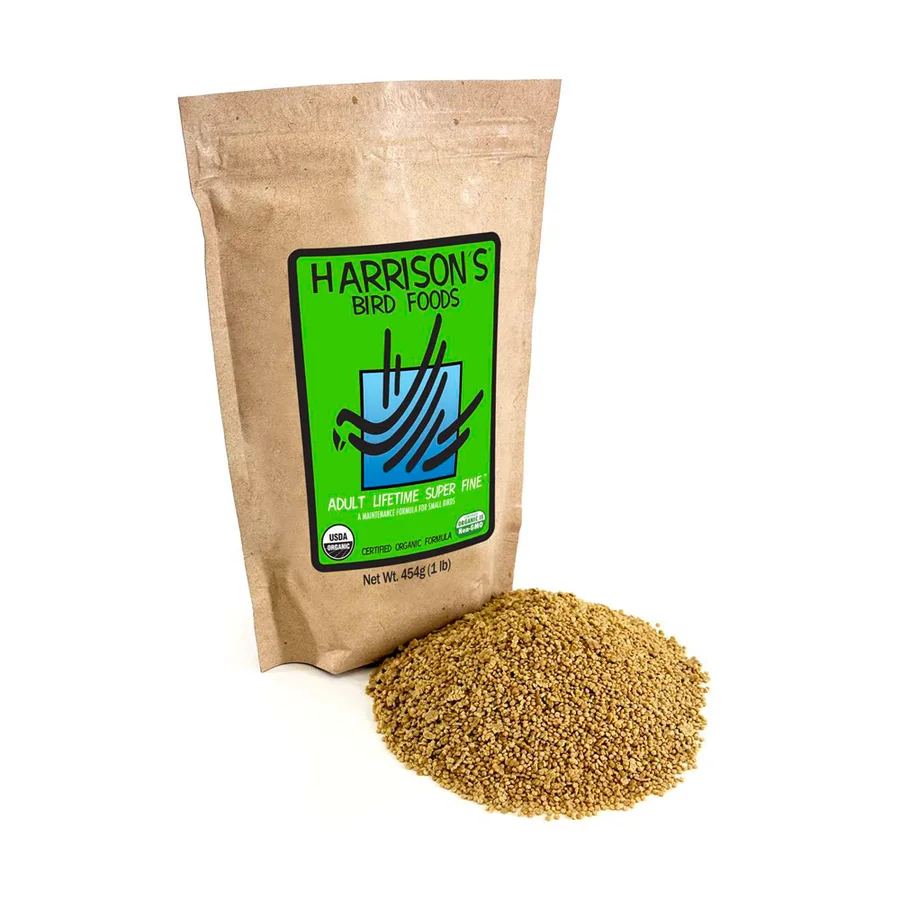
A certified-organic maintenance food in Harrison's smallest pellet size. The product page identifies small species and gives measured daily feeding guidance.
Why we recommend it
A manufacturer-documented super-fine maintenance option for appropriately sized small birds.
Pros
Cons
Best for
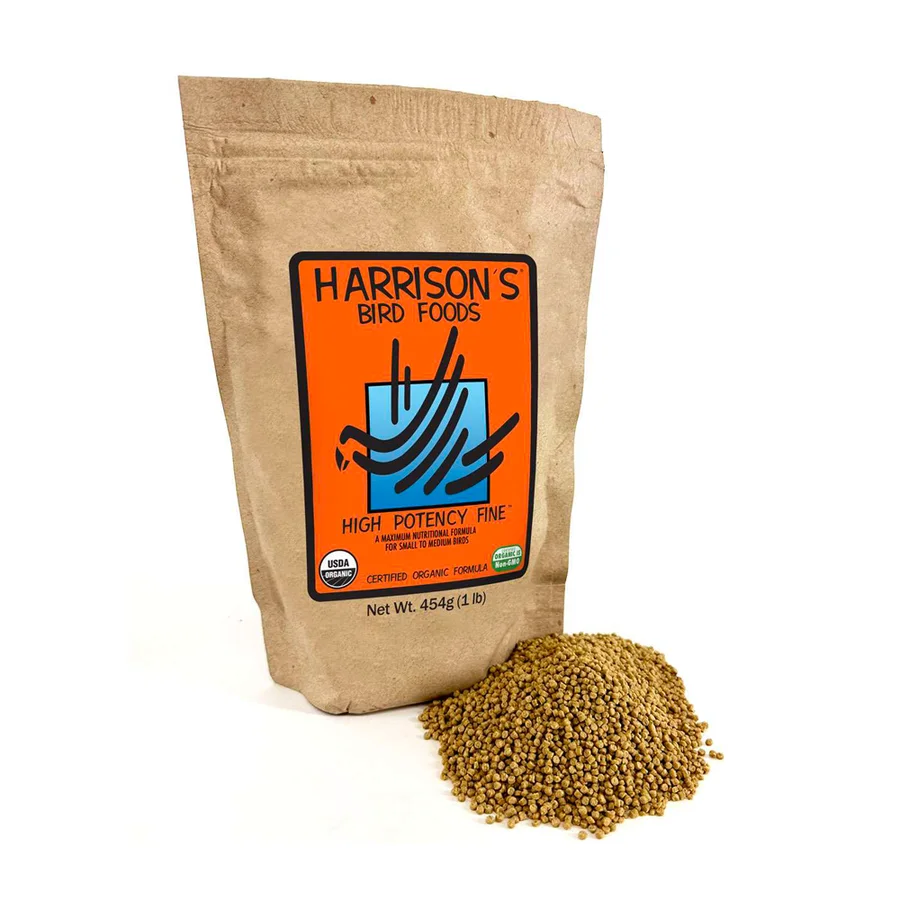
A certified-organic fine formula that Harrison's specifically positions for conversion, weaning, breeding, and selected higher-need periods. Those uses are not interchangeable, so the maker's directions and avian-veterinary advice matter.
Why we recommend it
The clearest evidence-based conversion pick because conversion is an explicit manufacturer use case.
Pros
Cons
Best for
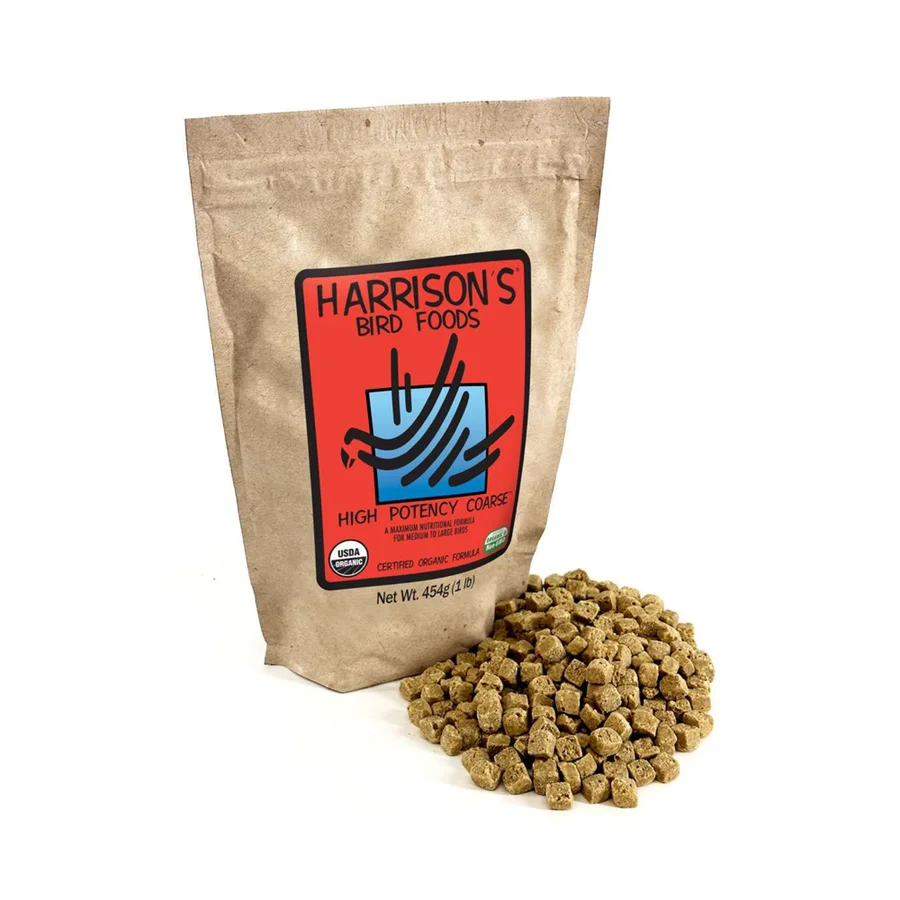
The coarse version of Harrison's higher-energy formula. Its manufacturer page identifies larger-parrot use cases and explains when transition to an Adult Lifetime formula may be appropriate.
Why we recommend it
A documented coarse higher-need formula for larger birds, not a generic all-parrot recommendation.
Pros
Cons
Best for
A current daily pellet diet sized and labeled for cockatiels. Lafeber publishes the ingredient panel and feeding directions on the exact product page.
Why we recommend it
A straightforward cockatiel-size pellet with direct formula evidence.
Pros
Cons
Best for
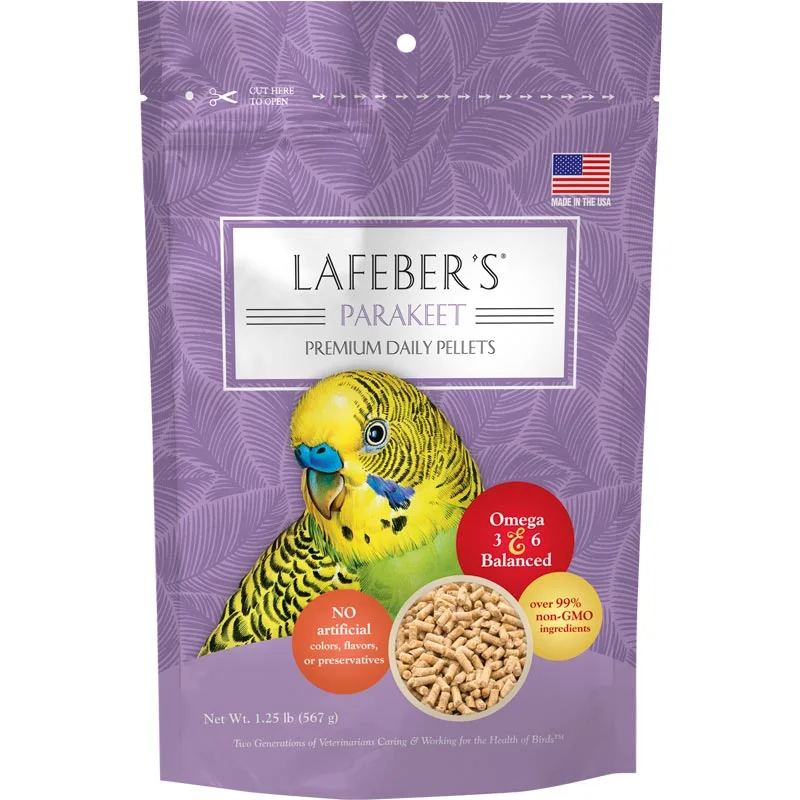
A small pellet diet labeled for parakeets. The exact manufacturer page provides guaranteed analysis, ingredients, pellet dimensions, and feeding directions.
Why we recommend it
One of the better-documented small-bird pellets in the group.
Pros
Cons
Best for
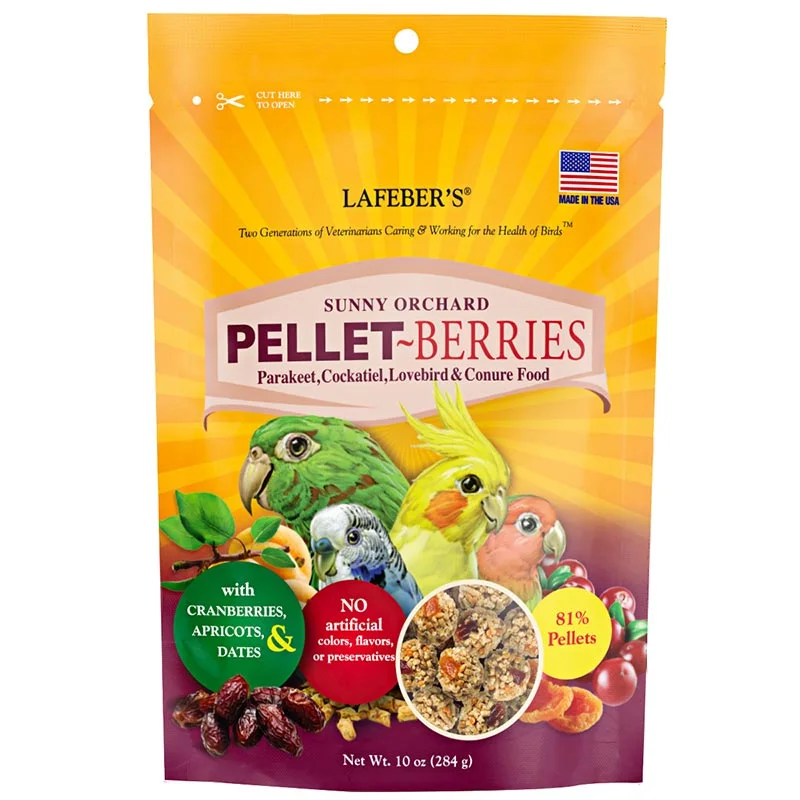
A cockatiel-size food combining pellets with whole cranberries and bound seed pieces. Lafeber explicitly presents the berry format as a way to help transition seed-oriented birds toward pellets.
Why we recommend it
A conversion-oriented texture backed by an exact manufacturer claim rather than a guess based on appearance.
Pros
Cons
Best for
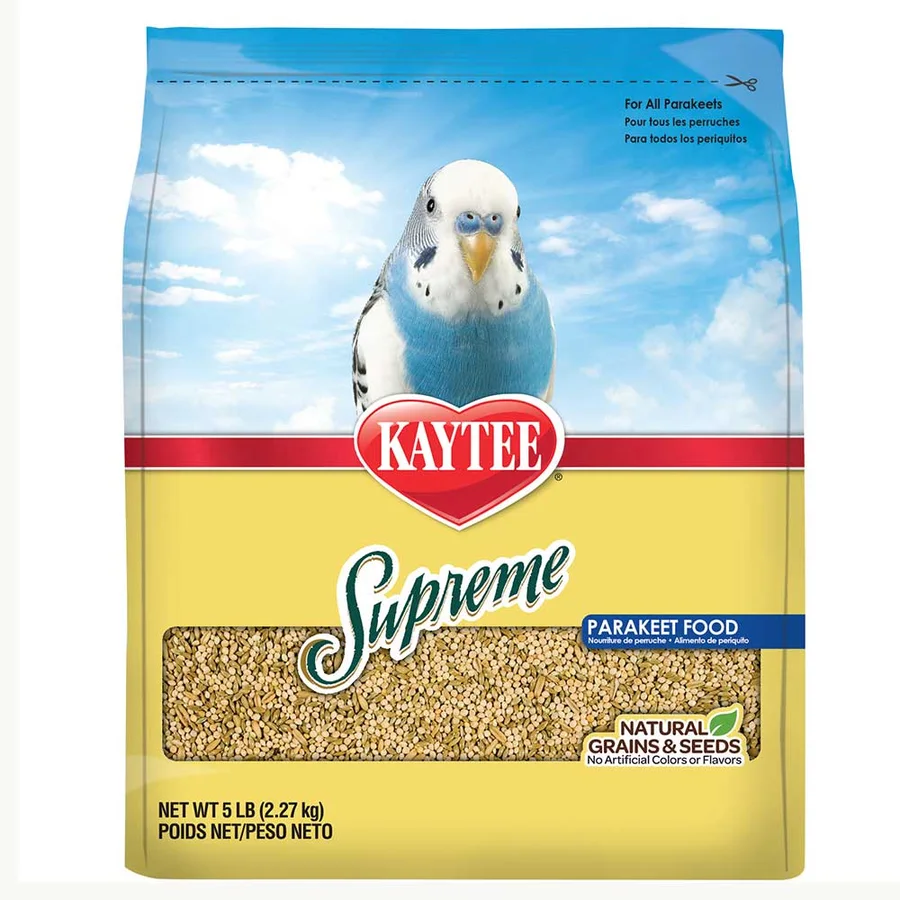
A current seed-forward blend labeled for parakeets. It is included as a clearly identified seed mix, not represented as equivalent to a complete pellet.
Why we recommend it
A direct-manufacturer example for owners deliberately comparing mainstream parakeet seed blends.
Pros
Cons
Best for
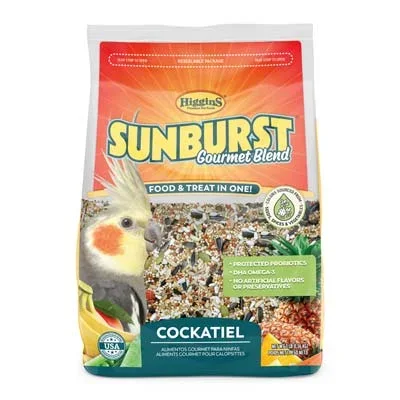
A cockatiel-oriented blend of seeds, grains, dried fruit, legumes, nuts, and added components documented on Higgins's exact product page. Birds may still select favored pieces.
Why we recommend it
A credible varied blend when its seed-forward role is stated plainly.
Pros
Cons
Best for
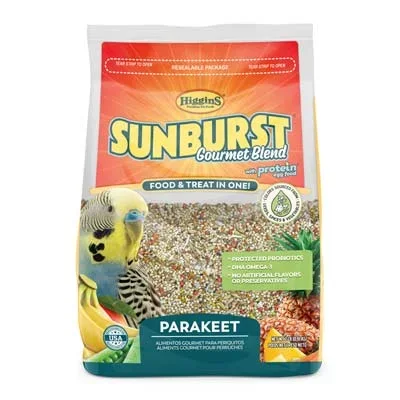
The parakeet-size Sunburst blend, with a manufacturer-published ingredient list and small-bird feeding directions. Its seed-forward format should be evaluated by what the bird actually consumes.
Why we recommend it
A second credible small-bird blend that makes seed content and species sizing easy to verify.
Pros
Cons
Best for
Buying Guide
Use the manufacturer's current size and feeding directions, then monitor body weight and actual intake during any change. A full bowl does not prove that a bird ate a balanced portion, especially when it can sort seeds or crumble pellets.
Transition slowly unless an avian veterinarian directs otherwise. Some makers publish dedicated conversion protocols or formulas; those are stronger evidence for a conversion-friendly tag than color, sweetness, or anecdotal popularity.
Dye-free here means no added food dye appears in the current manufacturer ingredient list. It is not a claim that a food is medically superior, hypoallergenic, or correct for every bird.
Consult an avian veterinarian for weight loss, refusal to eat, abnormal droppings, liver disease, obesity, breeding, weaning, or other higher-need situations.
No. It only describes the current ingredient list; total formulation, species fit, intake, and medical needs matter more.
The manufacturer explicitly discusses conversion or transition use, rather than the tag being inferred from color or owner anecdotes.
Usually not. Monitor weight and intake closely and follow maker or avian-veterinary transition guidance.
Do not assume so. Birds can selectively eat favored pieces, and the blend's role should be planned for the individual species and bird.
Methodology
Last reviewed:
Products were checked against exact manufacturer pages available on August 16, 2026. Tags reflect published formula role, particle/species guidance, ingredient lists, or explicit transition language. Search-result, category, and homepage links were excluded.
We may earn a commission through these links, at no extra cost to you. Terms of Service