Premium Choice
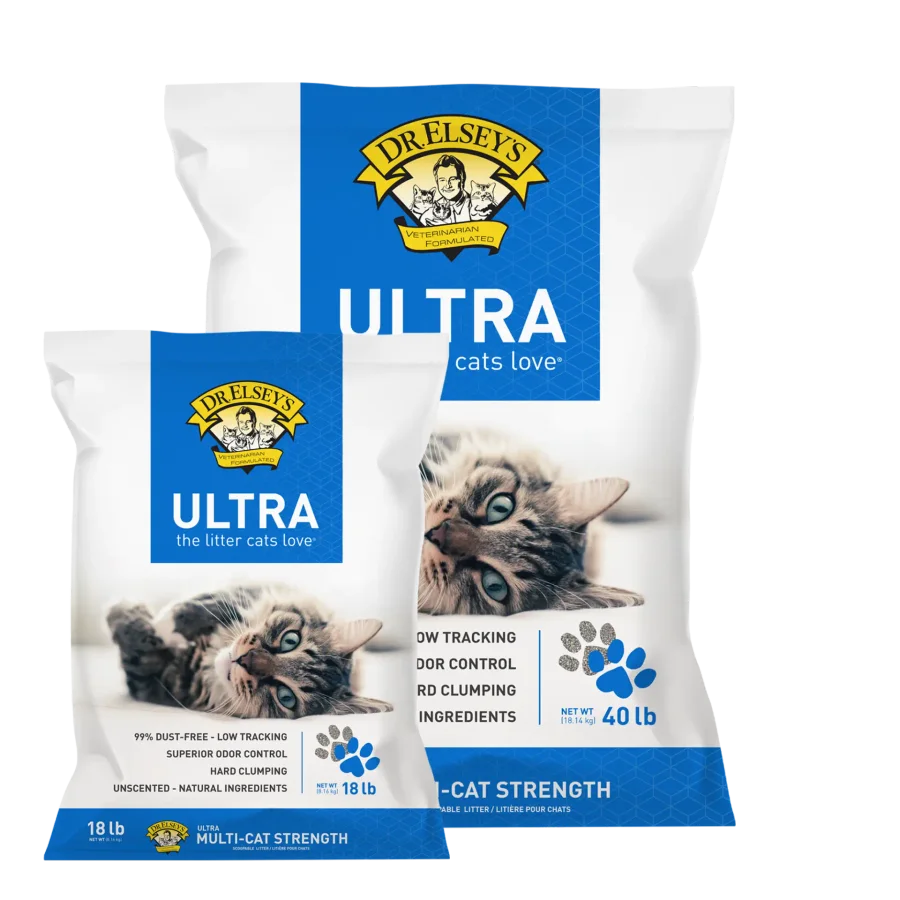
Dr. Elsey's Precious Cat Ultra Unscented Clumping Clay Cat Litter
Dr. Elsey's Ultra is a widely recognized unscented clay benchmark for owners who want a familiar premium clumping baseline.
Compare products using researched specifications, features, and retailer information.
Last reviewed:

Overview
Cat litter affects far more than odor. Texture, fragrance, clump strength, box size, scoop routine, and even how much litter reaches the hallway all influence whether a setup works in a real home. These picks were chosen to represent mainstream clay, plant-based alternatives, pellet-style systems, low-tracking formats, and odor-focused options so owners can match the litter to their actual box routine instead of assuming one substrate is universally best.
Dr. Elsey's Ultra is a widely recognized unscented clay benchmark for owners who want a familiar premium clumping baseline.
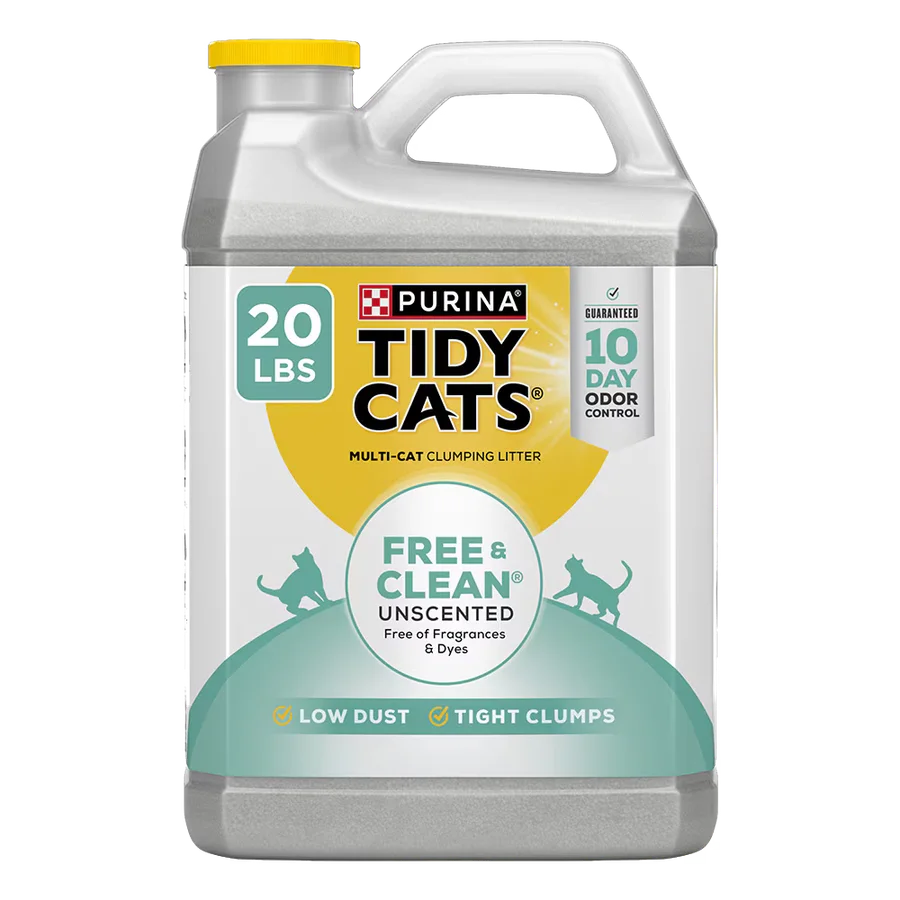
Tidy Cats Free & Clean is easy to replace locally and offers a simple mainstream unscented clay option for everyday boxes.
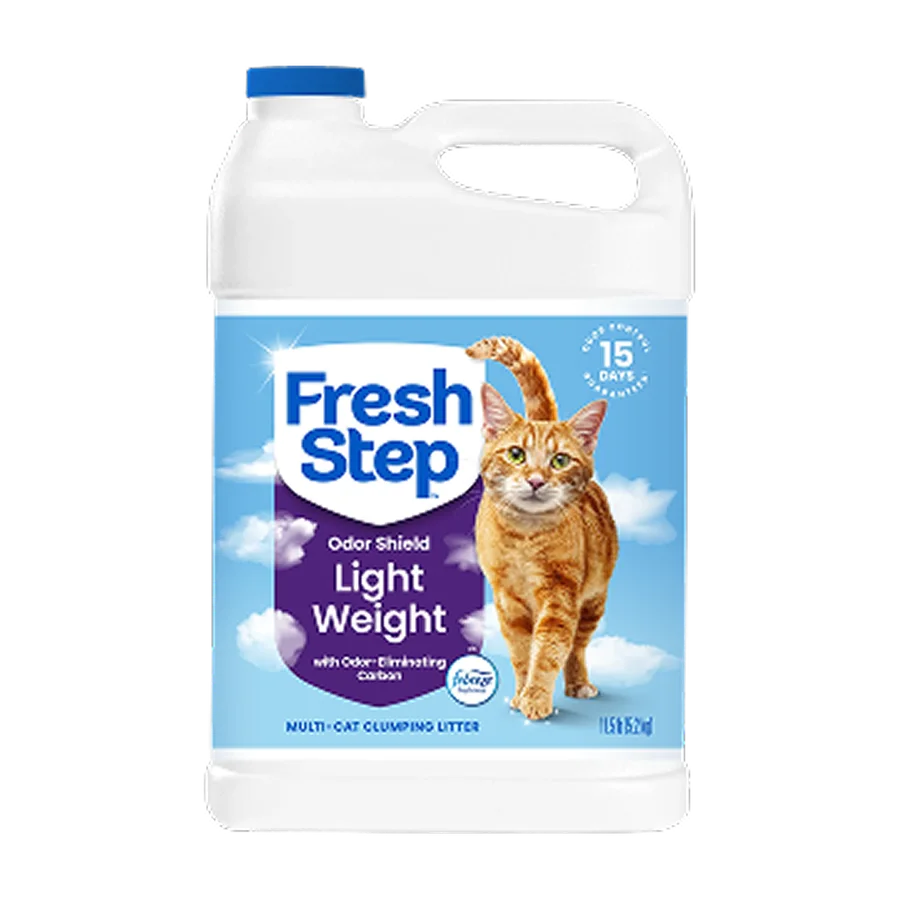
Fresh Step Odor Shield Light Weight is a common multi-cat odor-control choice for households that knowingly prefer scented litter.
Add your pet for personalized picks.
Loading pet details...
Filter by feature:
A longstanding unscented clay clumping litter marketed for hard clumps and low tracking, and commonly used as a reference point in multi-cat homes. Dr. Elsey's sells several similar bag names for kittens, respiratory concerns, attract formulas, and other niche uses, so the exact Ultra Unscented bag matters. Even with a familiar clay litter, a sudden refusal to use the box can point to stress, pain, or urinary disease rather than to the litter alone.
Why we recommend it
A strong premium baseline for households that want an unscented clay standard with broad familiarity and predictable daily scooping.
Pros
Cons
Best for
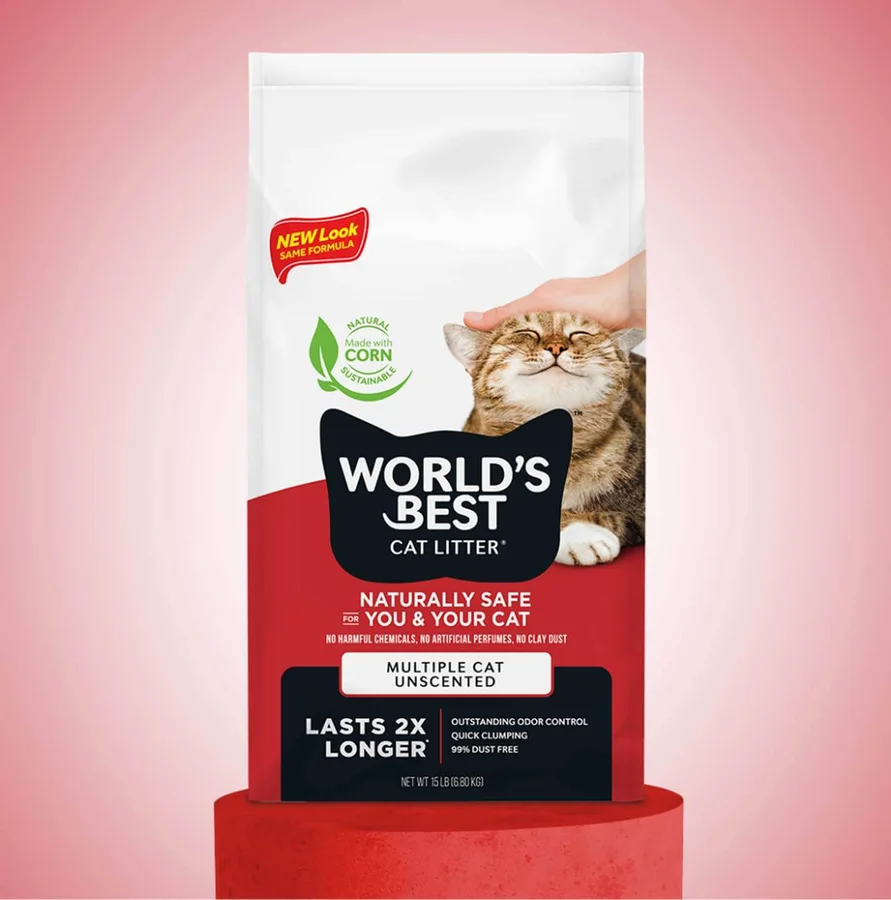
A corn-based clumping litter marketed for multi-cat boxes, with an unscented profile and lighter carrying weight than many dense clay bags. Search results often mix Multiple Cat, Original, Comfort Care, and low-tracking versions, so confirm the exact bag subtitle before buying. Plant-based litters can appeal to some owners for handling and disposal preferences, but transitions should still be gradual for litter-sensitive cats.
Why we recommend it
A useful non-clay multi-cat option for households that want lighter bags and a widely distributed plant-based formula.
Pros
Cons
Best for
A lightweight clumping litter positioned around odor control for multi-cat homes and scented with Febreze freshness. Fresh Step offers several similar Odor Shield, Advanced, Gain, and Clean Paws formulas, so the exact Light Weight Multi-Cat wording matters. Added fragrance can suit some households but may be a poor fit for scent-sensitive cats.
Why we recommend it
A practical odor-control pick for households that knowingly want a scented clay formula and do not have a fragrance-averse cat.
Pros
Cons
Best for
An unscented clumping clay litter from a very widely distributed line, positioned for everyday odor control without added perfume. Tidy Cats has many Free & Clean, 24/7 Performance, Instant Action, and lightweight bags with similar branding, so owners should confirm the exact Free & Clean subtitle. It is a good comparison point for mainstream unscented clay, but litter-box setup and scoop frequency still drive a large part of odor performance.
Why we recommend it
A broadly available mainstream unscented choice for households that want an easy-to-replace clay litter without paying a premium for specialty marketing.
Pros
Cons
Best for
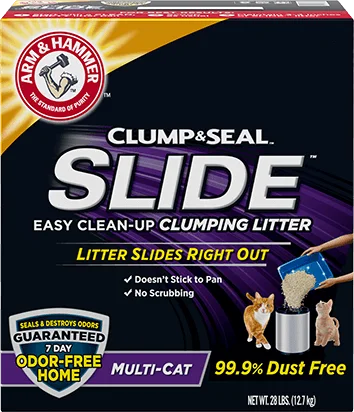
A clumping clay litter marketed around slide-out cleanup and odor sealing for high-use boxes. Arm & Hammer's litter aisle includes regular Clump & Seal, Slide, Slide Platinum, and lightweight options, so the exact Slide Multi-Cat wording should be checked to avoid mixing performance expectations. Convenience claims can matter, but consistent box depth and prompt scooping are still more important than any single slogan.
Why we recommend it
A convenience-focused pick for owners who care as much about pan cleanup and scoop feel as they do about simple odor-control claims.
Pros
Cons
Best for
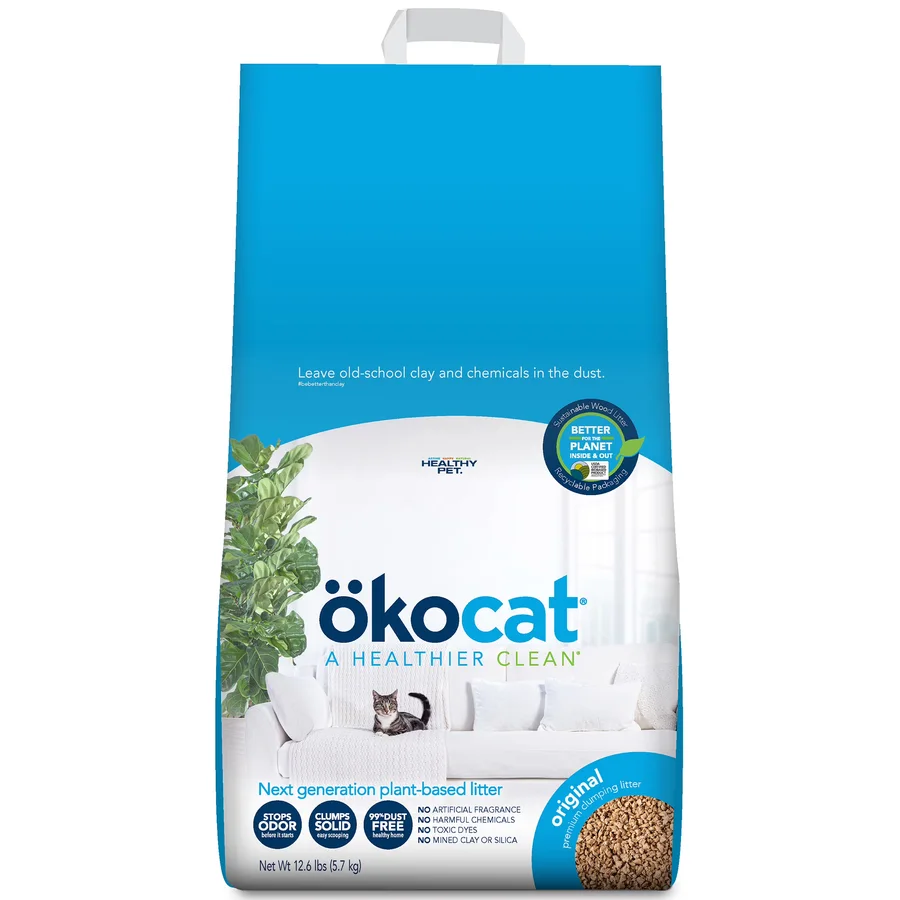
A wood-based clumping litter using pellet-or-flake style particles rather than traditional clay granules. ökocat sells mini-pellet, low-tracking, and super-soft versions in addition to the Original line, so the exact bag subtitle should be matched on the listing. Wood litters can change how a box smells and scoops, so some cats adapt quickly while others do better with a slow mixing transition.
Why we recommend it
A reasonable wood-based alternative for owners who want a different substrate feel without moving to a non-clumping pellet product.
Pros
Cons
Best for
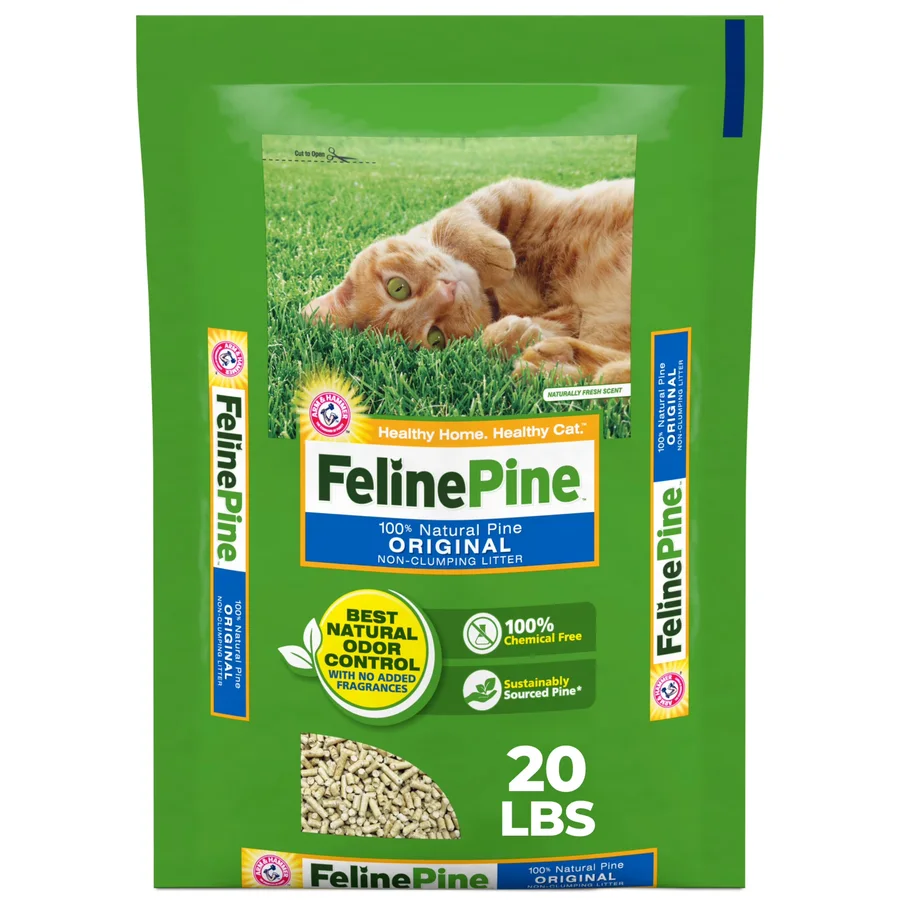
A pine-based non-clumping litter sold as absorbent pellets rather than scoopable granules. This is not interchangeable with Feline Pine's clumping formulas or with generic pine horse bedding, so the exact Original Non-Clumping bag should be checked. Non-clumping systems need different box-cleaning routines, and some cats accept pellets readily while others prefer finer textures.
Why we recommend it
A specialized pick for owners who intentionally want a pellet-style non-clumping routine and are prepared for the maintenance difference that comes with it.
Pros
Cons
Best for
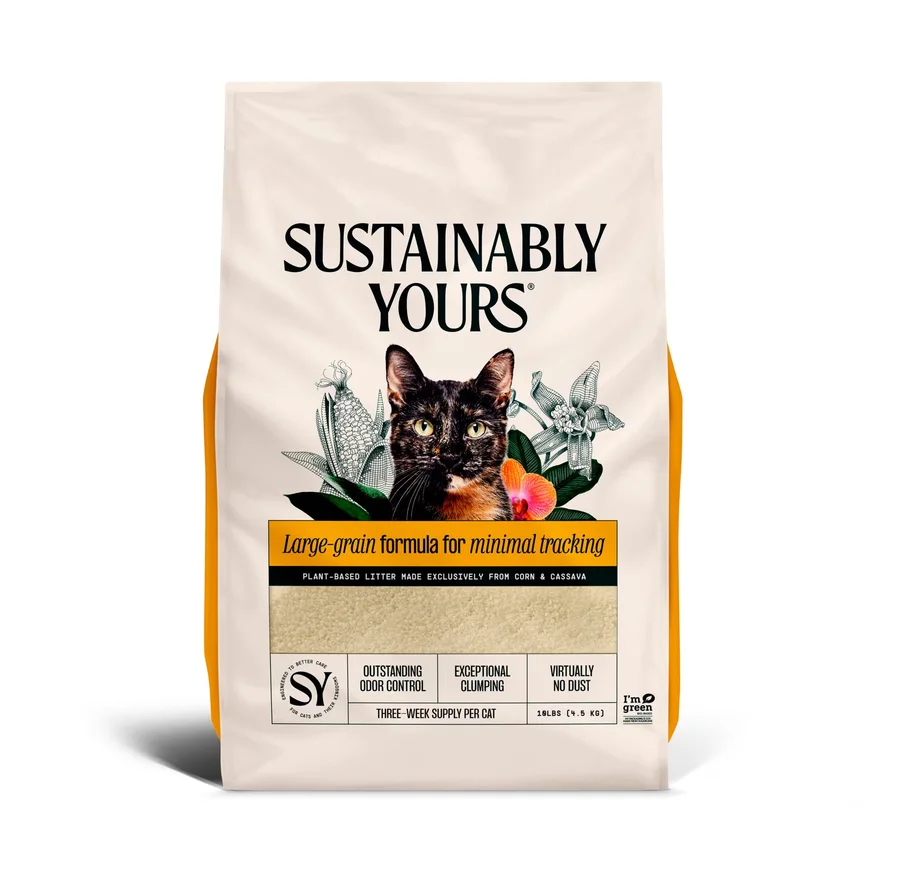
A plant-based clumping litter marketed in a large-grain format to reduce carryout compared with finer versions of the same line. Search results can show mixed-grain, small-grain, and large-grain bags, so the exact Multi-Cat Plus Large Grain wording matters when tracking is the main goal. Because it handles differently than clay, the best test is still a slow transition and observation of paw comfort and box use.
Why we recommend it
A premium non-clay option for owners who like the Sustainably Yours line but specifically want the lower-tracking large-grain format.
Pros
Cons
Best for
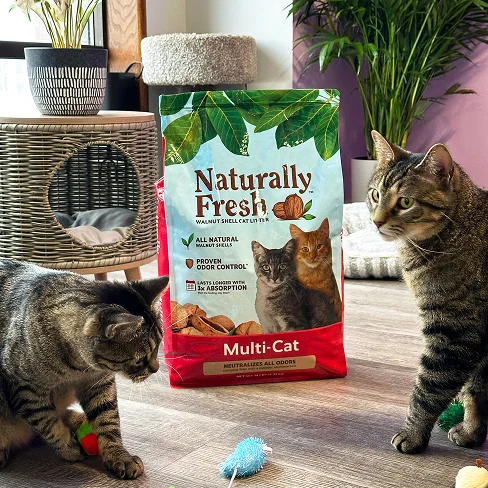
A walnut-based clumping litter marketed for multi-cat use and everyday odor control. The line includes several quick-clumping and scented variants, so verifying the exact unscented or multi-cat wording on the current bag helps avoid surprises. Non-clay substrates can be appealing for odor and feel, but any new litter should be introduced gradually if a cat has a history of box aversion.
Why we recommend it
A useful alternative-substrate pick for households that want a walnut-based litter from an established specialty line.
Pros
Cons
Best for
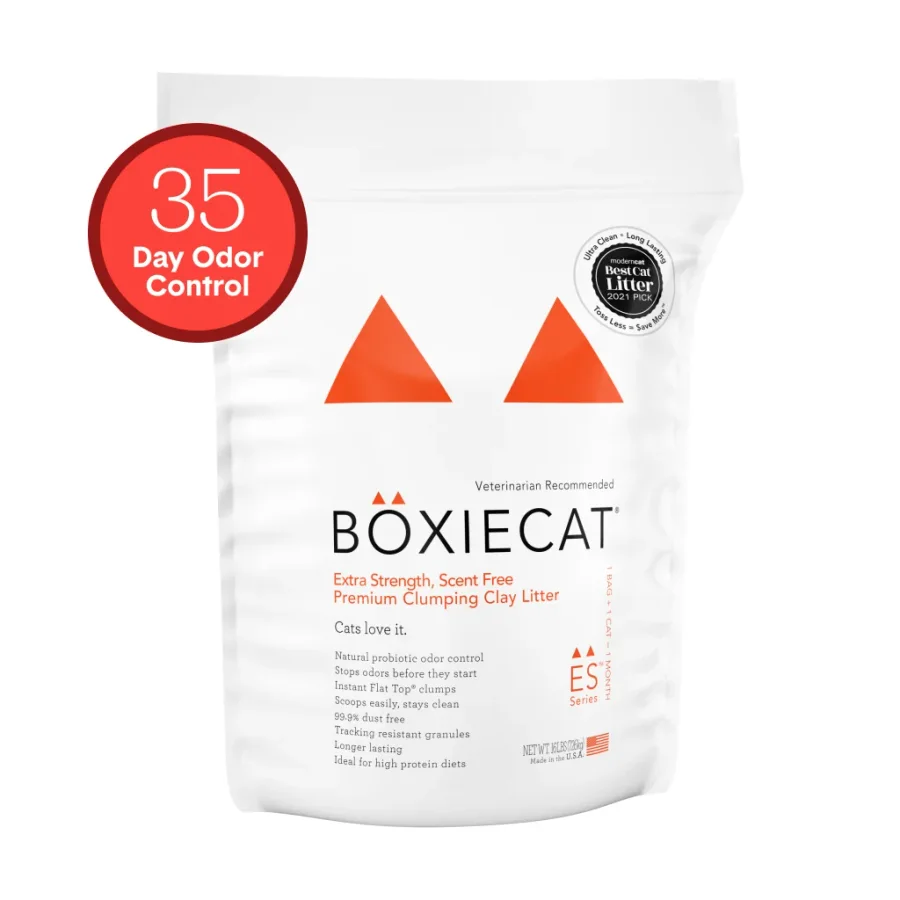
An unscented premium clay litter line marketed around tighter clumping and straightforward odor control without added fragrance. Boxiecat sells Pro, Air, and probiotic-adjacent variants in addition to Extra Strength, so owners should verify the exact product family on the current listing. A premium clay litter can be worth testing when housekeeping is the main frustration, but medical or behavioral litter-box changes should not be written off as a litter issue alone.
Why we recommend it
A good premium unscented clay alternative for owners who want to compare a more specialty pet-store formula against mainstream clay standards.
Pros
Cons
Best for
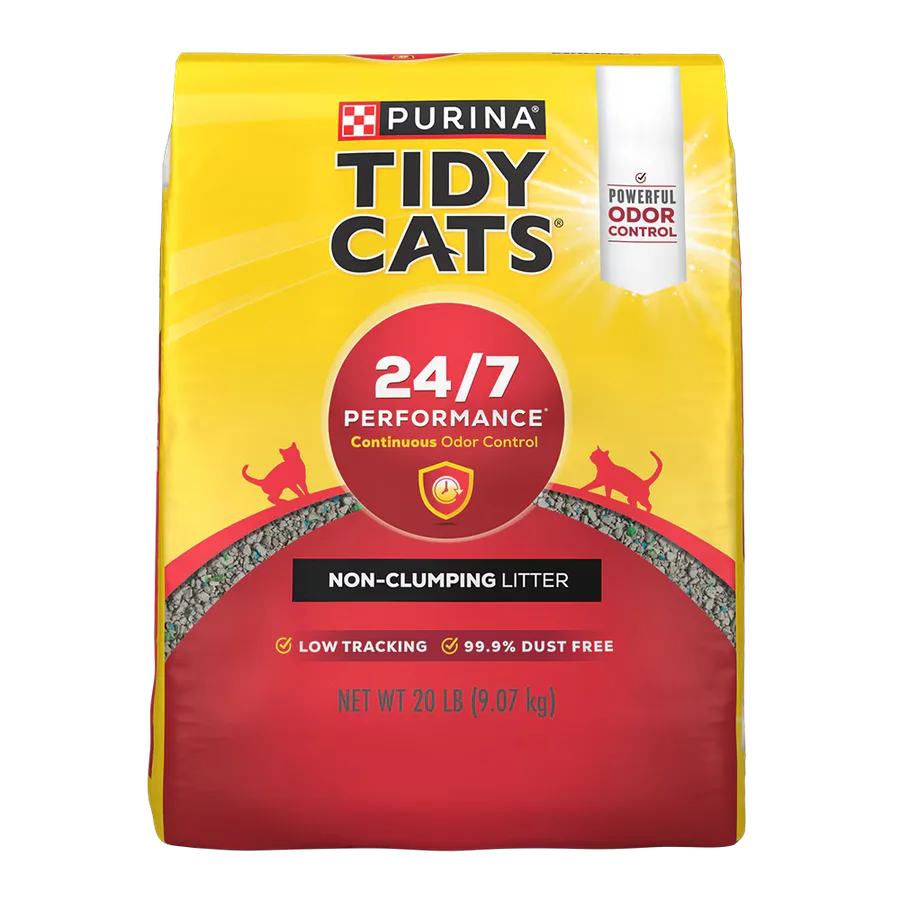
A clay-based non-clumping litter marketed for continuous odor control in multi-cat homes. It absorbs liquid instead of forming scoopable clumps, so solid waste is scooped daily while the litter requires periodic full replacement. The product should not be confused with the similarly branded 24/7 Performance clumping formula.
Why we recommend it
A broadly available non-clumping clay option for owners who deliberately prefer an absorbent full-change routine.
Pros
Cons
Best for
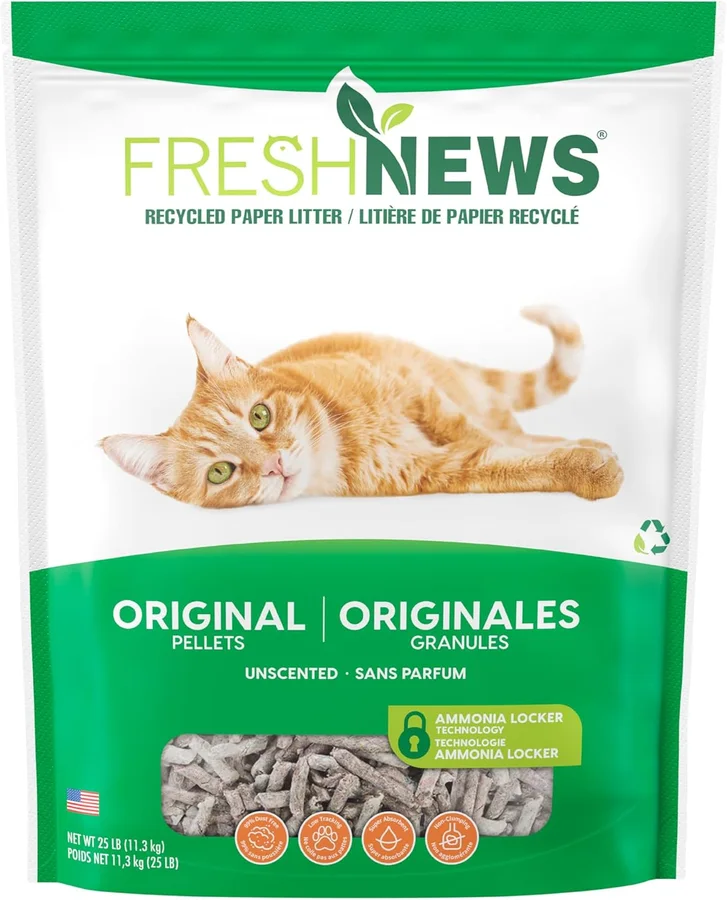
An unscented non-clumping litter made with recycled-paper pellets. The larger pellet texture and absorbent maintenance routine differ substantially from fine clumping clay, so a gradual transition is prudent. This is the cat-litter product, not the brand?s small-animal bedding or scented paper variant.
Why we recommend it
A credible paper-pellet alternative for homes that want both an unscented formula and a deliberately non-clumping routine.
Pros
Cons
Best for
Buying Guide
Most cats care first about box access, cleanliness, and underfoot feel. A litter that smells fresh to the owner may still be too perfumed or too sharp-textured for the cat, and a litter that clumps beautifully may still fail if the box is too small or scooped too slowly. When possible, change only one variable at a time: substrate, scent, box location, or pan style.
Clay, corn, wood, walnut, and pellet litters all ask for slightly different expectations. Clay remains the easiest baseline for many cats because the granule feel is common and clumping routines are familiar. Plant-based and pellet products can be lighter or smell different, but they often need a slower transition, especially for cats with a history of litter aversion.
Track odors and dust honestly. Scoop frequency, box depth, room ventilation, and how many boxes you provide often matter as much as the formula itself. For multi-cat homes, the usual goal is enough boxes in low-conflict locations, daily scooping, and a substrate that at least the most selective cat will still use reliably.
If a cat starts urinating outside the box, strains, vocalizes, visits the box repeatedly, passes stool painfully, or suddenly refuses a previously accepted litter, involve a veterinarian promptly. Medical causes such as urinary disease, arthritis, constipation, or pain can look like a litter preference issue at first.
Usually no. Gradual mixing over several days is less disruptive for litter-sensitive cats, especially when the new product changes both texture and scent.
Not always, but some cats strongly dislike added fragrance. If a cat becomes hesitant around the box, unscented litter is often the simpler troubleshooting baseline.
A common starting point is one box per cat plus one extra, placed in low-conflict areas. Box size, access, and scoop frequency matter as much as the number.
Straining, vocalizing, repeated box visits, blood, pain, or a sudden change in habits should be treated as a veterinary issue first, especially in male cats.
Methodology
Last reviewed:
These cat litter picks were compared by substrate type, scent status, clumping style, tracking-oriented positioning, and how clearly each current bag differentiates itself from close sister products. We deliberately included both mainstream clay and non-clay alternatives so the page reflects real household tradeoffs rather than a single-substrate ideology. Prices and stock were excluded because they change frequently and do not predict whether a given cat will accept the litter.
We may earn a commission through these links, at no extra cost to you. Terms of Service