Premium Choice
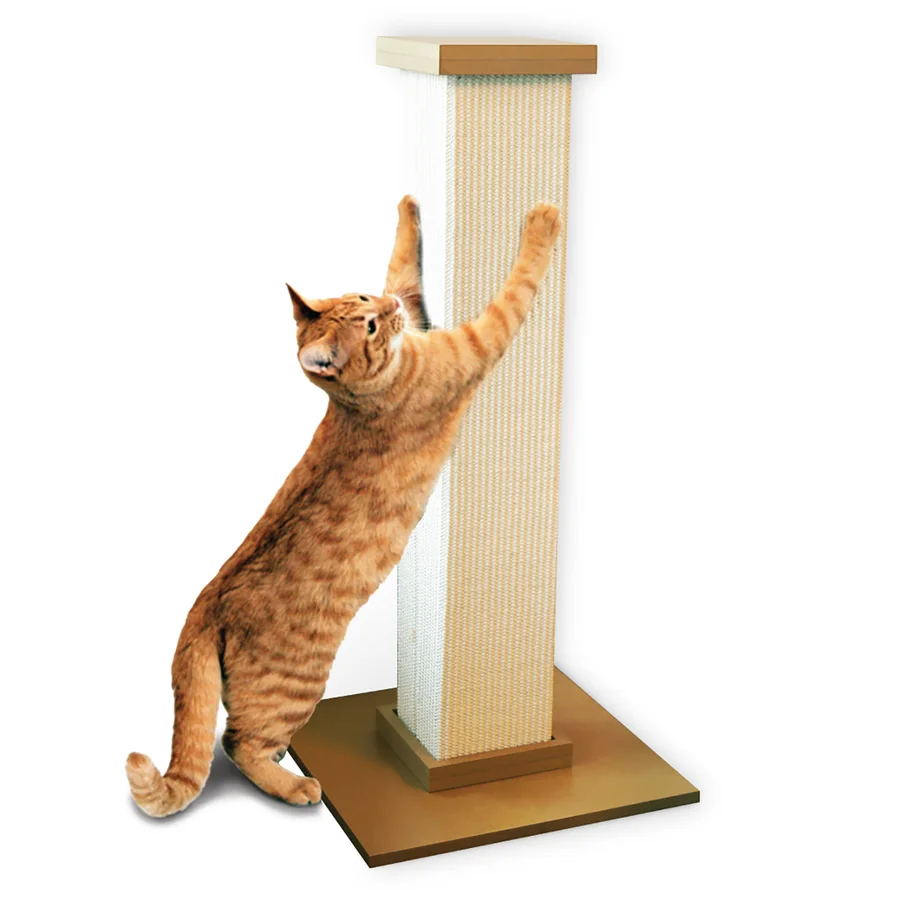
SmartCat Ultimate Scratching Post
SmartCat Ultimate Scratching Post remains the clearest premium vertical-scratching reference for cats that want real height and full-body stretch.
Compare products using researched specifications, features, and retailer information.
Last reviewed:

Overview
Scratching is normal feline behavior, not a bad habit to eliminate. The real question is which surface, angle, height, and location will satisfy the cat enough to compete with furniture. These picks include tall sisal posts, cardboard loungers, hybrid scratchers, and angle-testing options so owners can build a scratching setup around actual feline preferences rather than one default post by the couch.
SmartCat Ultimate Scratching Post remains the clearest premium vertical-scratching reference for cats that want real height and full-body stretch.
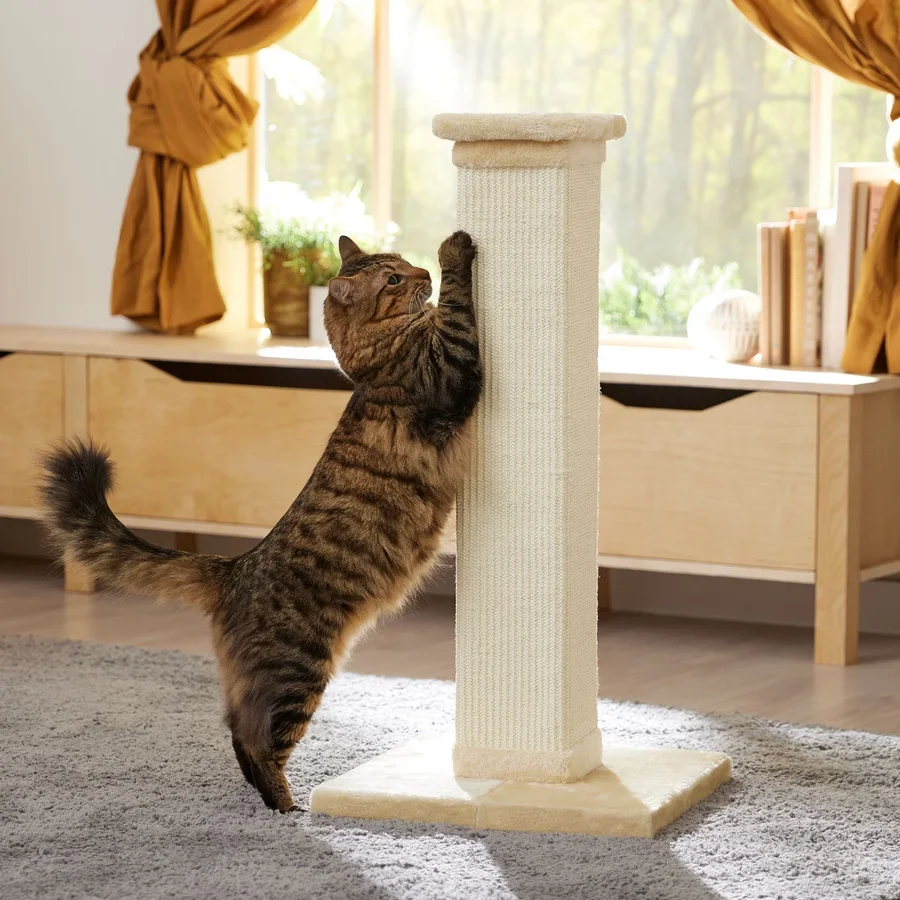
Frisco's 33.5-inch Sisal Post is an accessible way to add a basic vertical scratching station without cat-tree pricing.
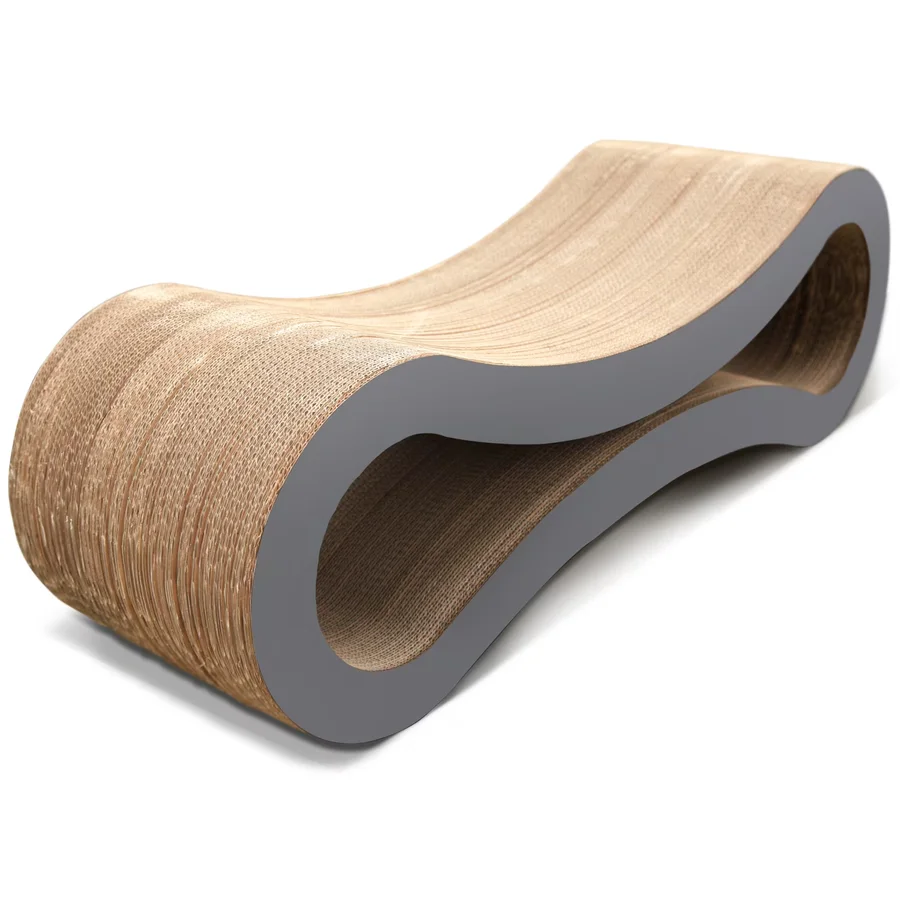
PetFusion's Scratcher Lounge is a widely recognized cardboard choice for cats that scratch and nap on the same surface.
Add your pet for personalized picks.
Loading pet details...
Filter by feature:
A tall sisal post long favored as a reference point for cats that want to stretch fully while scratching. Its main appeal is height and straightforward stability rather than extra beds or toys. A post like this is most effective when placed where the cat already wants to scratch, not hidden in an unused corner.
Why we recommend it
A strong premium baseline for cats that clearly prefer vertical full-body scratching and need more height than many budget posts offer.
Pros
Cons
Best for
A budget-friendly standalone sisal post that offers a straightforward vertical scratching target without moving into full cat-tree pricing. House-brand dimensions and colors can vary, so the actual current height and base size should be checked on the listing. It is best treated as an accessible everyday post or backup station rather than as a lifetime single solution for every cat.
Why we recommend it
A sensible value pick for owners who want a simple vertical scratcher at a lower cost or need to add a second scratching station quickly.
Pros
Cons
Best for
A curved cardboard scratcher that doubles as a lounge, giving cats both a scratchable edge and a resting place. Because many cats nap on cardboard, this style can succeed even in homes where vertical posts are ignored. Cardboard scratchers wear out over time, so replacement is part of the value equation.
Why we recommend it
A premium cardboard option for cats that love horizontal scratching or cardboard lounging more than traditional upright posts.
Pros
Cons
Best for
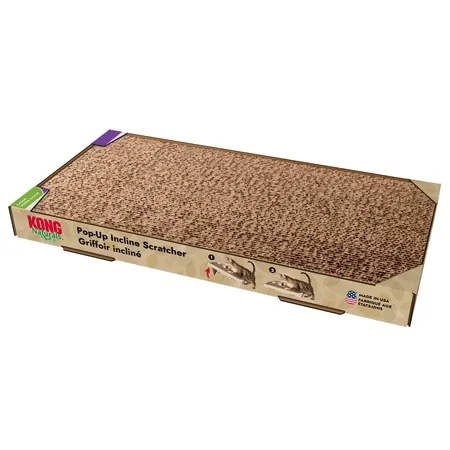
A simple inclined cardboard scratcher that offers a different angle from flat lounges or vertical posts. Incline scratchers are often useful as test pieces when you are still figuring out whether the cat prefers horizontal, diagonal, or upright scratching. They are inexpensive to try, but light cardboard units can move around more than heavier furniture-style scratchers.
Why we recommend it
A practical low-cost way to test diagonal cardboard preference before investing in a larger lounge or furniture scratcher.
Pros
Cons
Best for
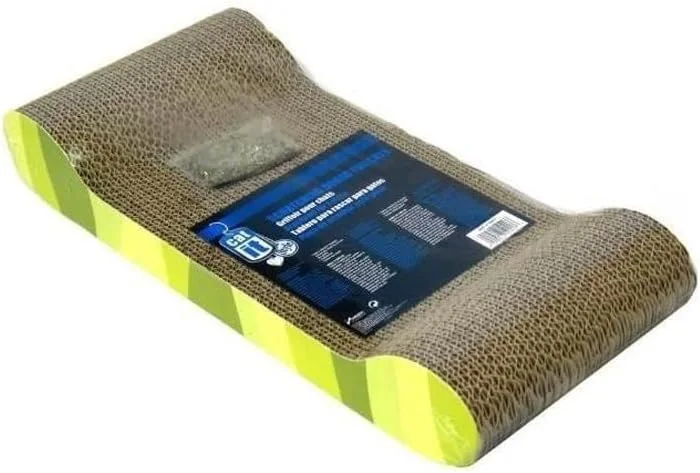
A curved cardboard lounge scratcher from Catit that includes catnip and functions as both a resting and scratching surface. As with other cardboard products, the catnip matters only if the cat responds to it; the real value is the usable curve and low entry profile. It is a good everyday cardboard option for cats that already sprawl on boxes or paperboard surfaces.
Why we recommend it
A solid value lounge-style cardboard choice for owners who want a mainstream curved scratcher with minimal complexity.
Pros
Cons
Best for
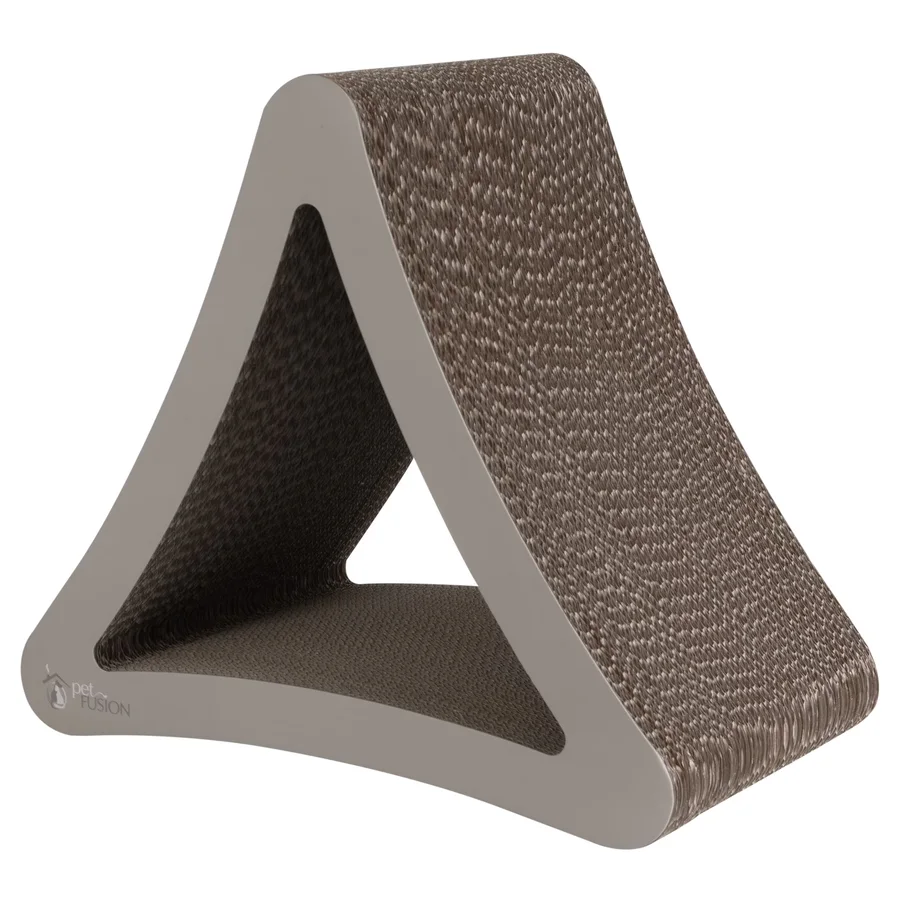
A cardboard scratcher with several usable faces, giving the cat multiple edges and angles within one piece. Multi-surface scratchers can help in homes where more than one cat wants access or where one cat alternates between side and edge scratching. It remains a cardboard product, so the tradeoff is replaceability rather than permanent durability.
Why we recommend it
A useful multi-surface option for homes that want more than one scratching angle without buying several separate posts.
Pros
Cons
Best for
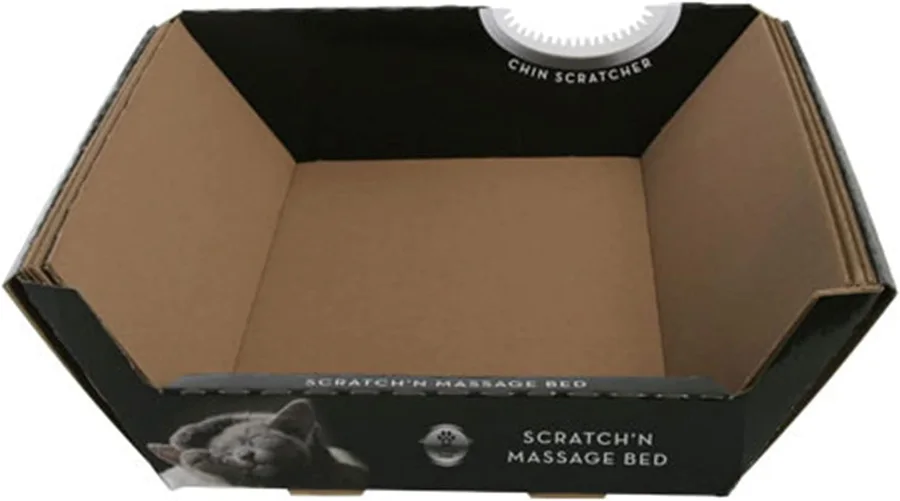
A low-profile scratch-and-rest product that blends cardboard with a bed-like concept rather than acting as a classic upright post. It is best viewed as a hybrid station for cats that enjoy low surfaces and routine cheek or body contact around their scratch area. Cats that insist on a huge upright stretch may still ignore it in favor of a tall post.
Why we recommend it
A niche hybrid choice for cats that like low scratching stations and for owners who want a bed-like scratcher rather than a pure post.
Pros
Cons
Best for
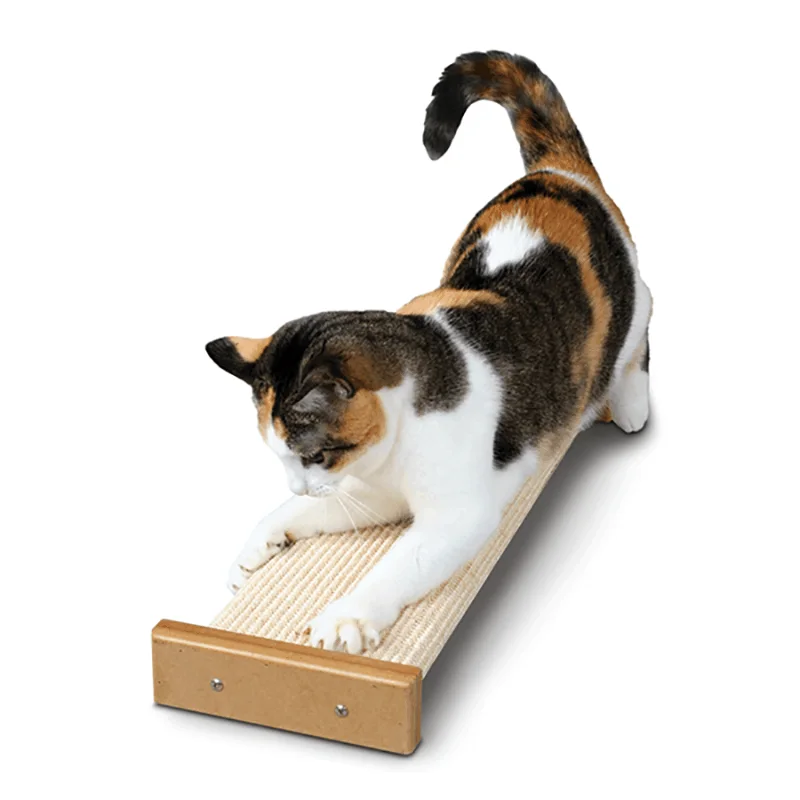
A combination-style scratcher meant to offer more than one scratching orientation in a single product. Multi-surface products can be especially useful in homes where you are still discovering whether the cat prefers upright, angled, or side scratching. Placement still matters: even a versatile scratcher works better near favorite traffic routes or sleep spots.
Why we recommend it
A helpful choice for owners who want one product to test more than one scratching style before buying several dedicated stations.
Pros
Cons
Best for
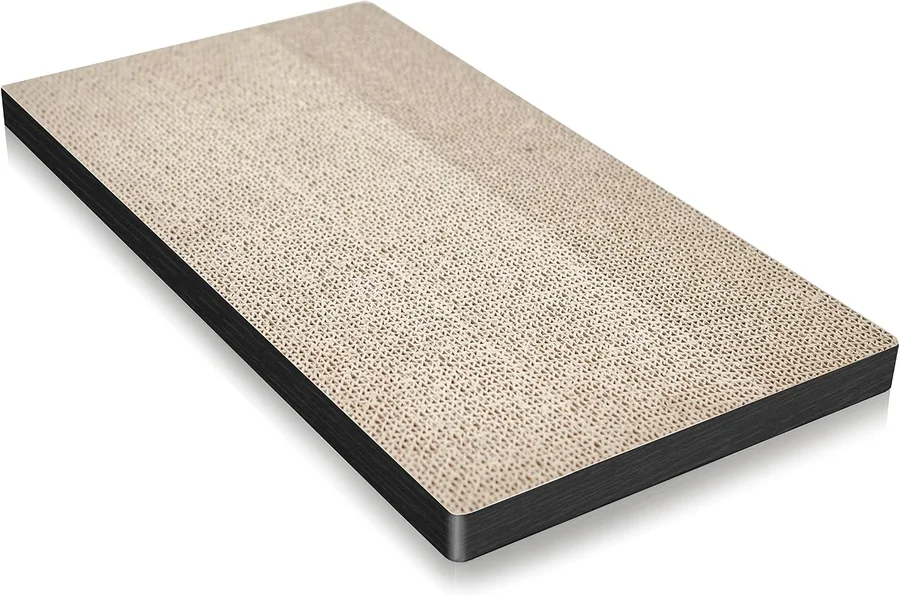
A furniture-like cardboard scratcher option that appeals to owners who want a cleaner decorative look than raw pad or post designs. Decorative form can help the scratcher stay in the room where the cat actually spends time, which often improves use. Like other cardboard-based products, though, it remains a consumable surface.
Why we recommend it
A style-conscious cardboard option for owners who want the scratcher to blend into living spaces rather than look purely utilitarian.
Pros
Cons
Best for
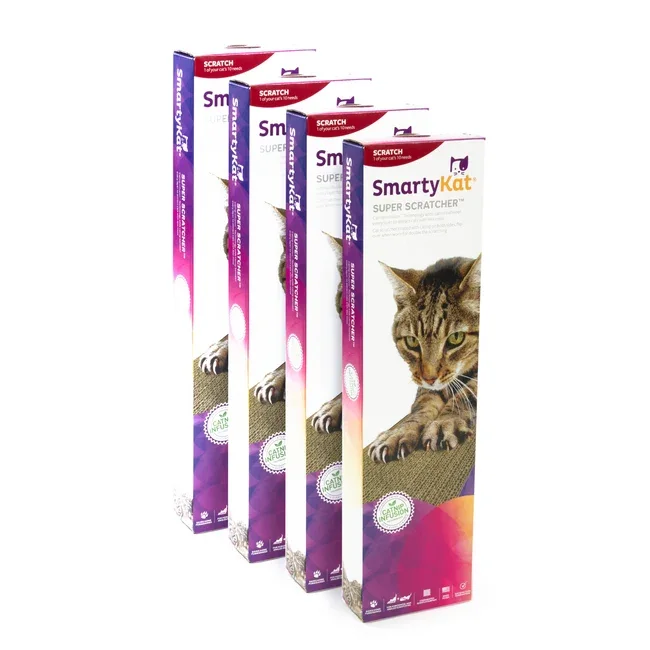
A simple flat cardboard scratcher that often includes catnip and is easy to add to a room with minimal cost or assembly. Flat scratchers are useful even when you plan to buy a tall post because many cats enjoy more than one scratching angle. They are also one of the lowest-risk ways to test whether a cat wants cardboard at all.
Why we recommend it
An easy budget add-on for cardboard-loving cats or for testing horizontal scratching preference before investing in larger pieces.
Pros
Cons
Best for
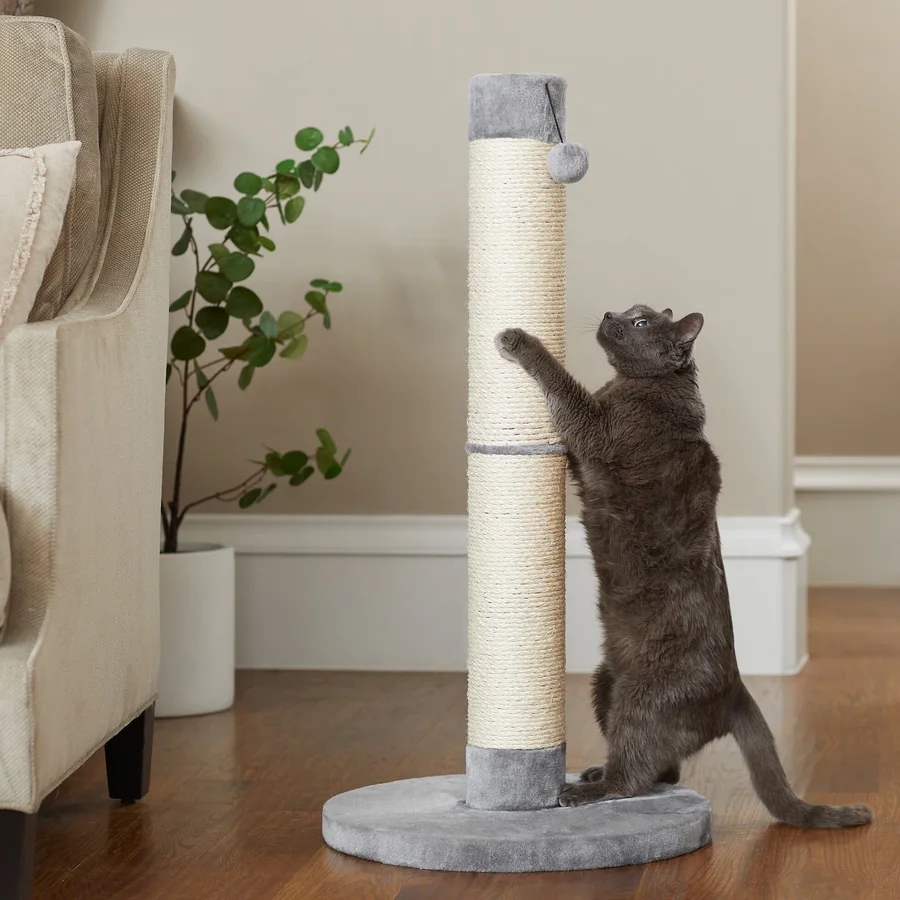
A 35-inch standalone post with a sisal scratching surface and broad base. Its height gives many adult cats room to extend upward rather than crouch, while the heavy-duty format distinguishes it from shorter Frisco posts with similar names. Stability still depends on correct assembly and a level floor.
Why we recommend it
A tall vertical alternative for cats that need more extension than the category?s shorter value post provides.
Pros
Cons
Best for
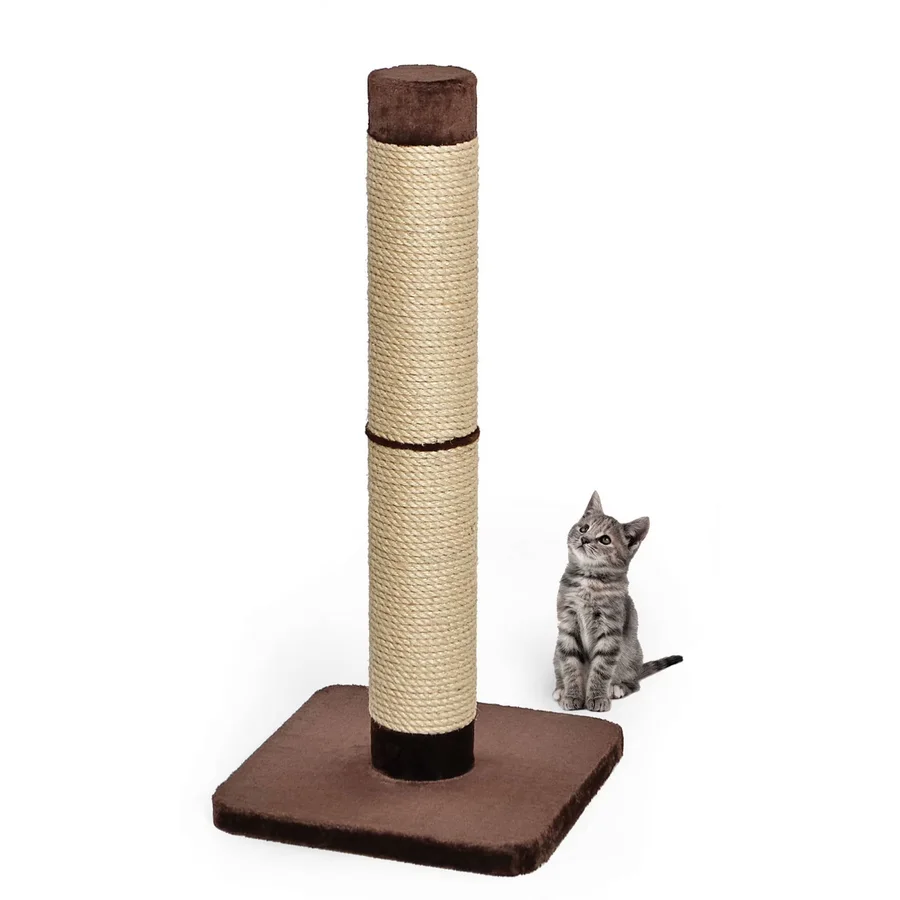
A 41-inch vertical scratching post made for cats that reach well above the height of common compact posts. The tall sisal-wrapped column and wide base target full-body stretching, but the footprint and height should be checked against the intended room before purchase.
Why we recommend it
The tallest dedicated vertical option here for large cats and emphatic stretch-scratchers.
Pros
Cons
Best for
Buying Guide
Watch how the cat scratches before shopping. Some cats reach high and pull down hard, others scratch along horizontal cardboard, and some clearly prefer corners or angled surfaces. A mismatch in angle or height is one of the biggest reasons a perfectly good scratcher goes unused.
Placement matters as much as material. Cats often scratch after waking, after using the litter box, or in social transition areas such as room entrances. Put the scratcher where the behavior already wants to happen, then reward use and make the unwanted furniture less attractive temporarily if needed.
Offer more than one style when possible. A tall sisal post and a cardboard lounge often solve different needs, especially in multi-cat homes or for cats that alternate between stretching and lounging. Replace worn cardboard before it becomes flat and uninteresting, and stabilize any post that rocks or tips.
If a cat suddenly stops scratching, avoids stretching, or seems painful while clawing or jumping, consider medical causes such as arthritis or injury. Those changes can deserve veterinary attention rather than a simple furniture-behavior fix.
The issue may be height, angle, material, or location. Many cats will ignore a good scratcher if it is placed far from where they naturally want to scratch.
Often yes. Many cats like more than one scratching angle, so a vertical post and a horizontal cardboard option can complement each other.
Tall enough for the cat to stretch comfortably without feeling cramped. Bigger or more vertical scratchers usually benefit from more height and stability.
Not at all. Many cats strongly prefer cardboard. The best material is the one your cat will actually use consistently.
Methodology
Last reviewed:
These scratchers were compared by orientation, substrate, likely stability, and how well each product fits a distinct scratching use case such as full-stretch vertical clawing, cardboard lounging, or multi-angle testing. We intentionally mixed posts and lounges because many households need both. Absolute durability claims were avoided because scratching intensity varies dramatically between cats and because cardboard products are inherently consumable.
We may earn a commission through these links, at no extra cost to you. Terms of Service