Premium Choice
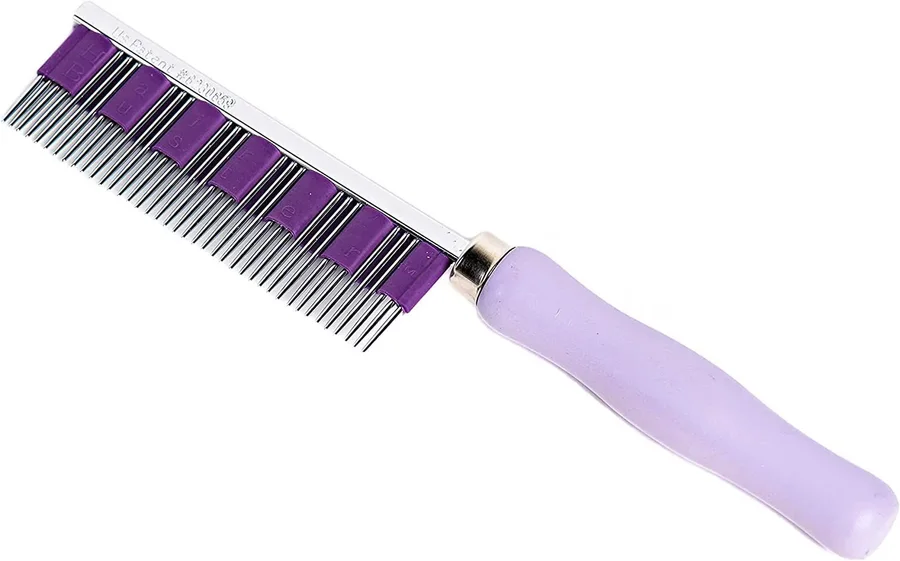
Small Pet Select Hair Buster Comb
Small Pet Select's Hair Buster Comb remains the premium reference point for serious loose-fur control during rabbit sheds when used gently and patiently.
Compare products using researched specifications, features, and retailer information.
Last reviewed:

Overview
Rabbit grooming is mostly about loose-fur management, skin safety, and calm handling rather than salon-style cosmetic care. Rabbits groom themselves constantly, so the goal of a brush or comb is to remove loose coat before the rabbit swallows too much of it, not to make the rabbit fluffy for photos. These picks cover de-shedding combs, gentle slickers, soft maintenance brushes, and lower-pressure glove options so owners can match the tool to both the coat and the rabbit's temperament.
Small Pet Select's Hair Buster Comb remains the premium reference point for serious loose-fur control during rabbit sheds when used gently and patiently.
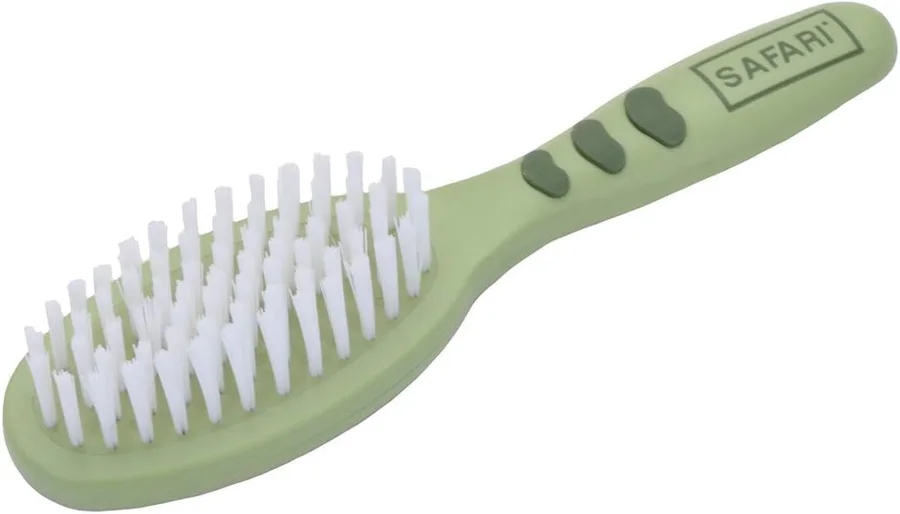
Safari's bristle brush is a practical low-pressure option for routine touch-ups when a specialized de-shedding comb would be unnecessarily intense.
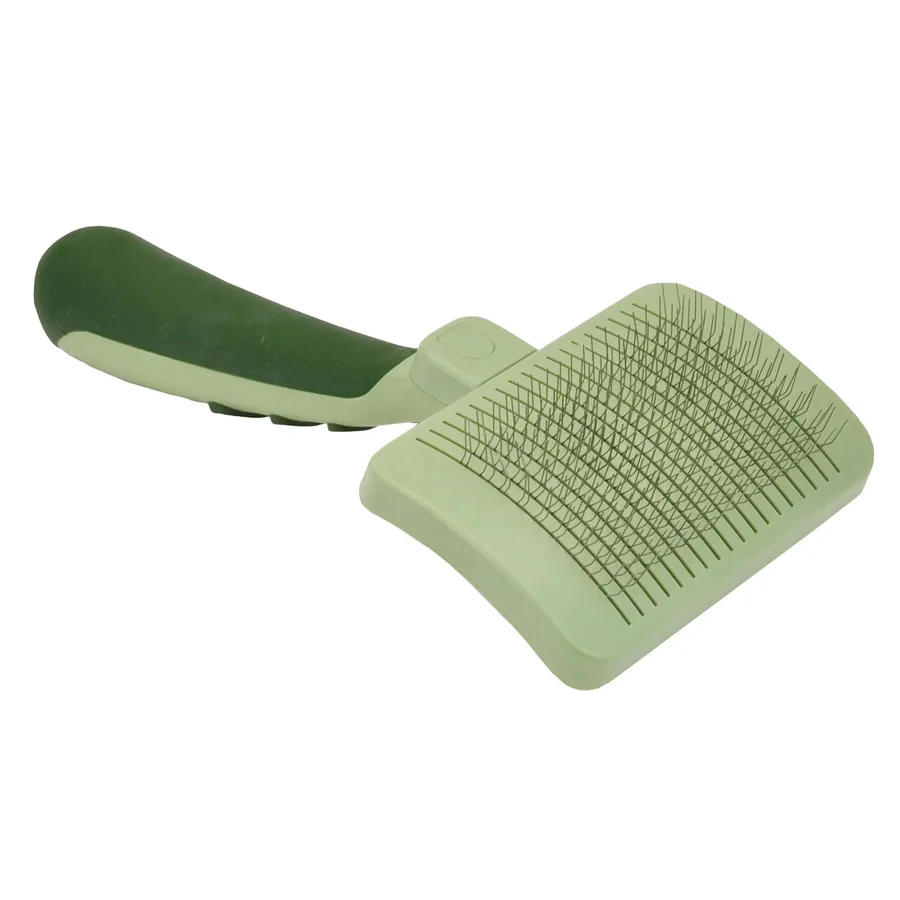
Safari's self-cleaning slicker is widely available and easy for owners to keep tidy between short grooming sessions.
Add your pet for personalized picks.
Loading pet details...
Filter by feature:
A rabbit-famous grooming comb specifically associated with heavy shed management. Its value comes from lifting loose coat efficiently without requiring a large slicker head, but technique matters because rabbit skin tears easily if you rush or scrape. Use short gentle passes and pause often if the rabbit becomes tense.
Why we recommend it
The premium benchmark for serious rabbit shedding because it is purposefully built around loose-coat control rather than generic cat-brush assumptions.
Pros
Cons
Best for
A small bristle brush marketed for cats that can provide low-pressure surface grooming for a rabbit accustomed to touch. Soft bristles may gather a little loose coat and help with handling practice, but they will not manage a dense molt or untangle mats. Use short strokes with the coat and stop if the skin reddens or the rabbit tenses.
Why we recommend it
A strong value brush for calm routine handling when a metal comb or slicker would be unnecessarily intense.
Pros
Cons
Best for
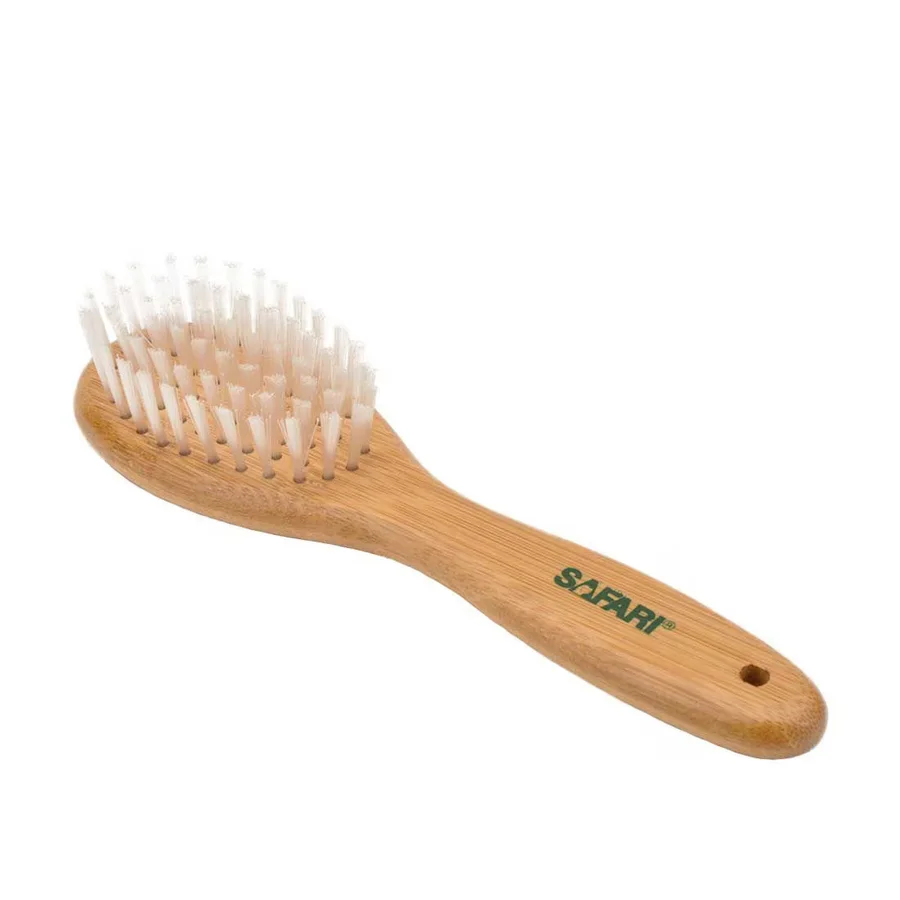
A bamboo-backed cat brush with soft bristles that can be repurposed for light rabbit coat maintenance. It is most useful for calm touch-up sessions and brush conditioning, not for removing packed undercoat during a heavy shed. Keep pressure extremely light because even a soft tool can irritate delicate rabbit skin with repeated passes.
Why we recommend it
A practical starter brush for light touch-ups while teaching a rabbit to accept grooming calmly.
Pros
Cons
Best for
A cat-market slicker brush that some rabbit owners repurpose for routine grooming because the self-cleaning button makes fur removal easy. It can be useful on rabbits that tolerate slickers well, but the convenience feature should never tempt a heavier hand. Choose a small head size and use very light strokes only.
Why we recommend it
Helpful for owners who want easy brush cleanup and already know their rabbit tolerates a slicker-style grooming tool.
Pros
Cons
Best for
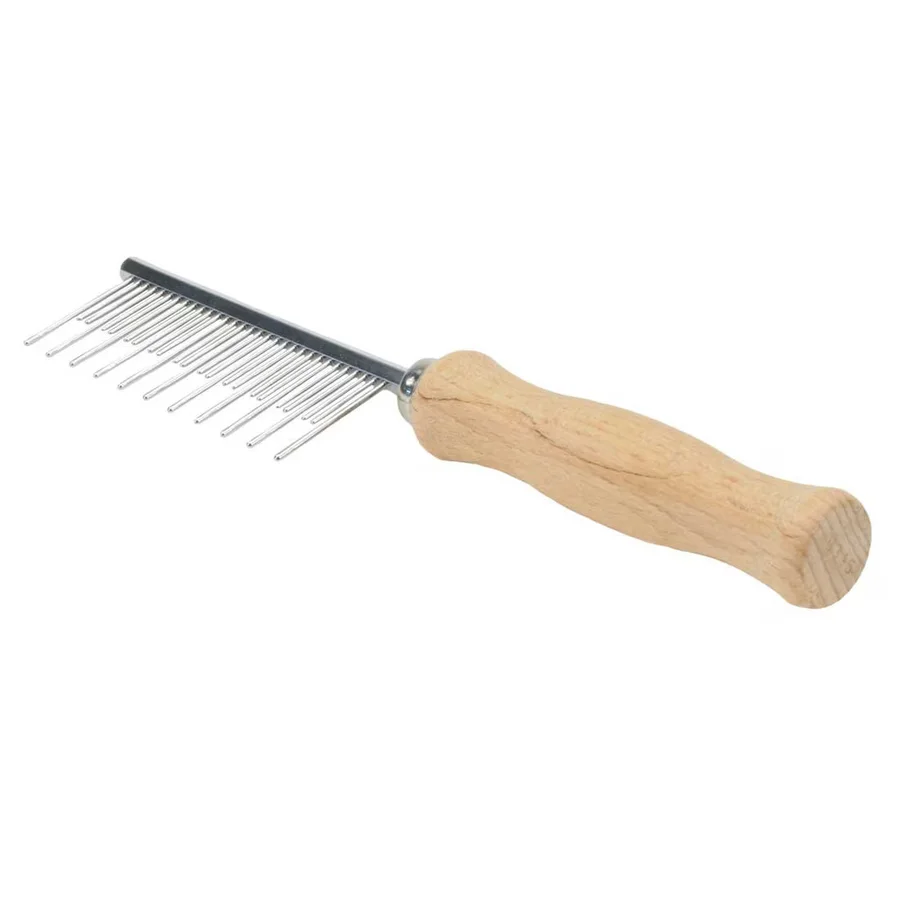
A long-tooth shedding comb sold for long-haired dogs that experienced caregivers may adapt for sectioning a long rabbit coat. Its alternating metal teeth are not rabbit-specific, so never pull through resistance or use it on the belly without expert technique. A rabbit groomer or veterinarian should address tight mats rather than having them forced out.
Why we recommend it
A specialty long-coat option only for experienced, very gentle users who need more reach than a soft surface brush provides.
Pros
Cons
Best for
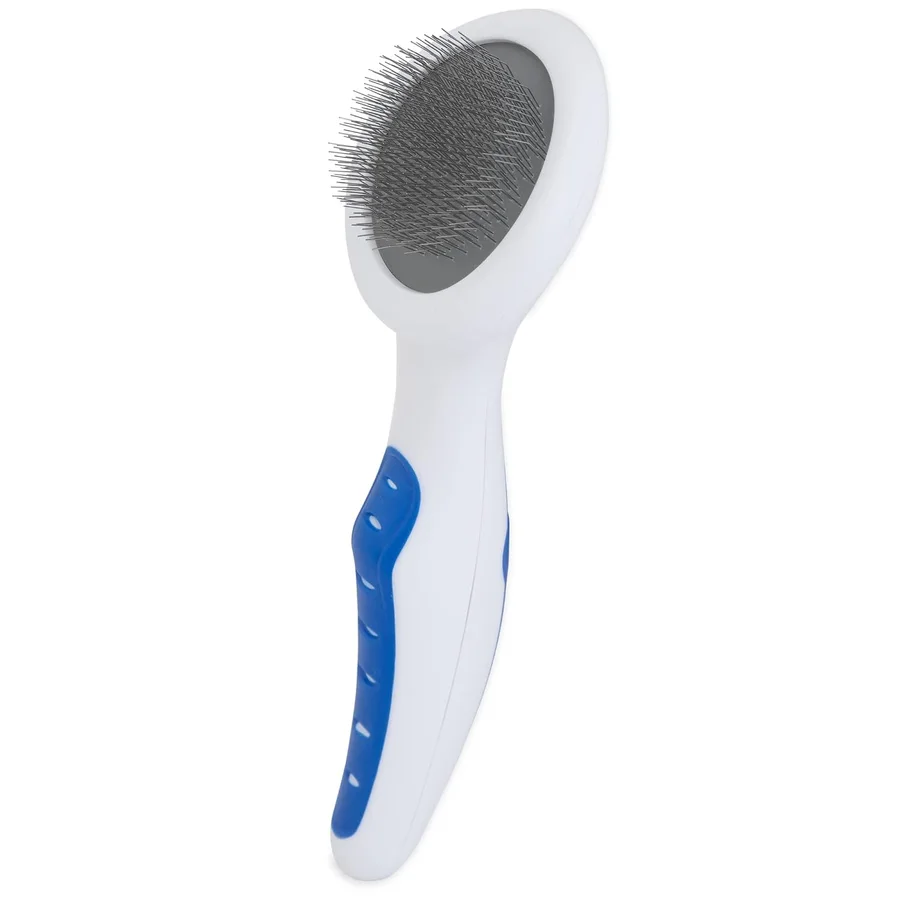
A soft cat brush that can serve as a very gentle maintenance tool for rabbits that dislike firmer combs. It is better for collecting a little surface fur and getting the rabbit comfortable with brushing than for conquering a dramatic molt. Keep sessions brief and rewarding so grooming does not become a wrestling event.
Why we recommend it
Useful when the grooming goal is cooperation and low-pressure maintenance rather than heavy fur extraction.
Pros
Cons
Best for
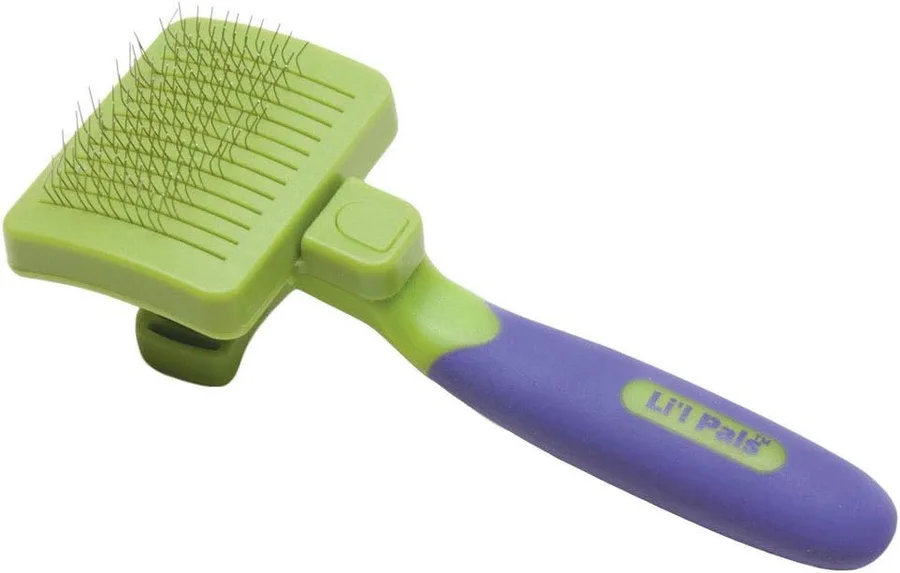
A petite self-cleaning wire slicker sold for small dogs. Its small head and push-button fur release can make brief sessions easier to control, but the pins are not rabbit-specific and must barely skim the coat rather than scrape skin. Reserve it for rabbits that already tolerate slickers, and never drag it through mats.
Why we recommend it
A compact self-cleaning option for experienced owners who can keep slicker pressure extremely light.
Pros
Cons
Best for
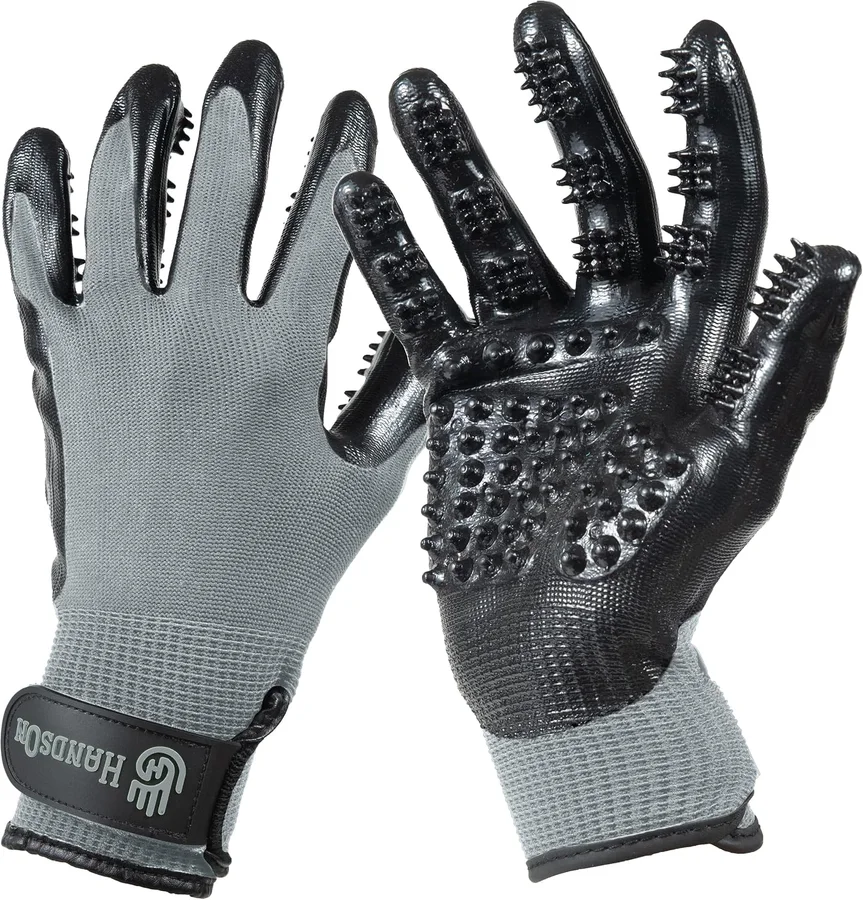
A grooming-glove option for rabbits that tolerate petting more readily than formal brush heads. Gloves are not magic during a major molt, but they can reduce conflict and pick up some loose coat while maintaining a calmer body position. Wash the gloves regularly so trapped fur and debris do not build up.
Why we recommend it
Best for rabbits that strongly dislike tools yet accept calm hand contact, making grooming feel less mechanical.
Pros
Cons
Best for
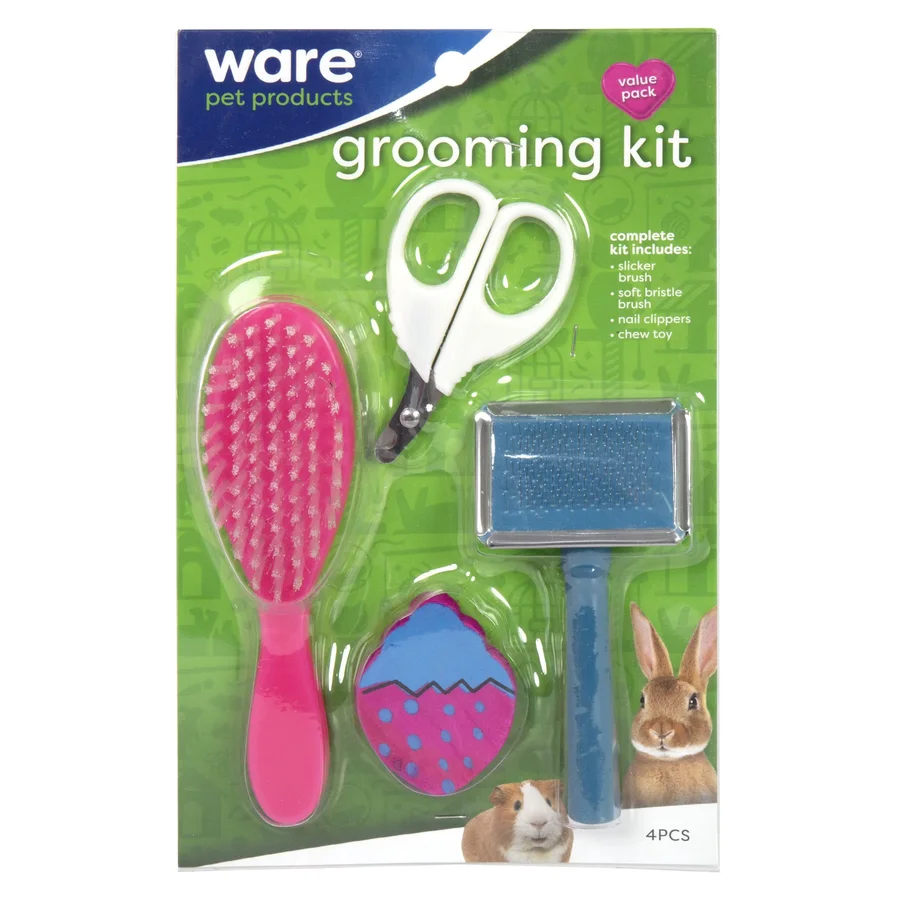
A small-animal grooming kit that includes a compact soft slicker along with nail-care accessories. The brush works best for light surface maintenance rather than aggressive de-shedding, and the other tools should only be used with proper rabbit-handling technique. Keep slicker pressure light and do not pull through mats.
Why we recommend it
A good value small-animal kit when the compact maintenance slicker is the main need and the extra tools will be used cautiously.
Pros
Cons
Best for
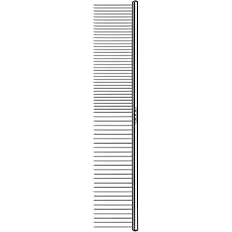
A steel comb that can be particularly useful for longer-coated rabbits when a soft brush cannot get through the outer coat. It demands a very gentle touch and patience, especially around fine skin and any developing mats. Pair it with careful coat separation rather than forceful pulling.
Why we recommend it
A worthwhile specialty comb for longer-coated rabbits that need more coat access than a standard soft brush provides.
Pros
Cons
Best for
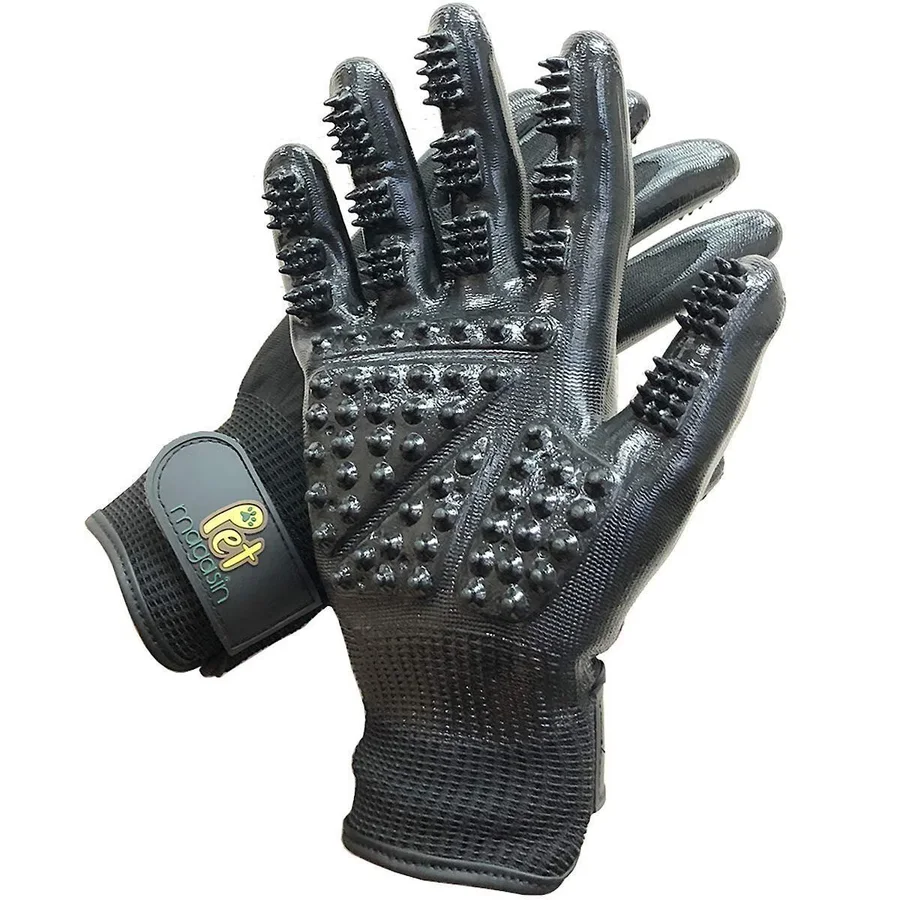
A pair of flexible silicone-nub grooming gloves that can pick up some loose surface fur while the hand follows a familiar petting motion. They are not a substitute for a comb during a dense molt or on a long coat, but may reduce resistance in a tool-shy rabbit. Use dry, gentle passes and stop if the rabbit shows stress.
Why we recommend it
A second credible glove option for rabbits that accept petting but object to a visible brush head.
Pros
Cons
Best for
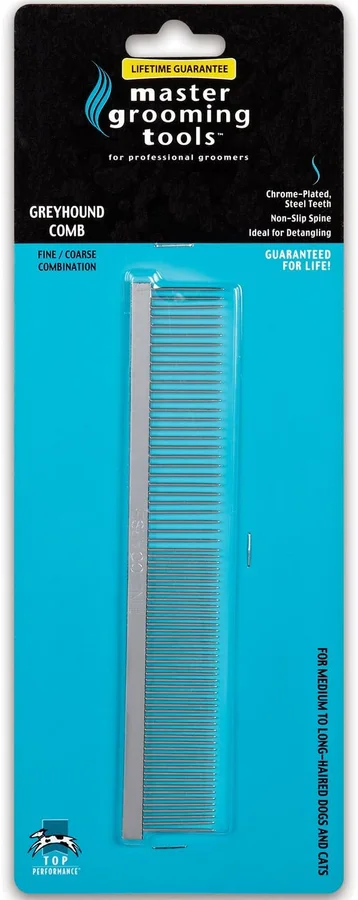
A stainless finishing comb with coarse and fine tooth sections that can help an experienced caregiver separate a long rabbit coat into small workable sections. It is not rabbit-specific: support the skin, start at the coat ends, and never pull against a snag. Mats close to skin require professional help because rabbit skin tears easily.
Why we recommend it
A durable long-coat comb for patient sectioning when soft bristles cannot reach through the coat.
Pros
Cons
Best for
Buying Guide
Choose the gentlest tool that still actually removes loose coat. A famous de-shedding comb can be wonderful during a hard molt, but some rabbits do better with a softer slicker, brush, or glove for everyday maintenance. Technique matters at least as much as the product because rabbit skin is delicate and tears more easily than many owners realize.
Routine bathing is generally not recommended for rabbits. Bathing can be intensely stressful and may contribute to chilling or shock, so routine grooming should focus on brushing, careful spot-cleaning when necessary, and addressing the cause of soiling instead of washing the whole rabbit. If you notice urine scald, sticky feces, or rear-end soiling, contact a rabbit-savvy veterinarian because arthritis, obesity, dental pain, GI disease, or other illness may be involved.
Keep grooming sessions short, calm, and well supported. Brush with the coat in small passes, avoid tugging at mats, and stop before the rabbit becomes frantic. Long-haired rabbits often need more frequent attention, while short-haired rabbits may only need brief regular maintenance outside of bigger seasonal sheds.
A rabbit that is eating less, producing fewer droppings, or becoming unusually inactive during a shed needs prompt veterinary attention. Rabbits are prey animals prone to GI stasis, and a grooming problem can overlap with a medical problem more quickly than many people expect.
Routine baths are generally not recommended for rabbits because bathing is stressful and can be dangerous. Brushing and careful spot-cleaning are usually preferred, with veterinary help if soiling suggests illness.
That depends on coat type and shedding season. Many rabbits need at least regular weekly brushing, and heavy sheds may require much more frequent short sessions.
Do not assume it is just a grooming issue. Rear-end soiling can point to pain, obesity, dental disease, arthritis, urinary problems, or GI trouble and deserves rabbit-savvy veterinary guidance.
Rabbits cannot vomit, and appetite or stool changes can be an early warning of GI stasis. A rabbit eating less during a heavy shed should be watched closely and seen by a veterinarian promptly if the change continues.
Methodology
Last reviewed:
We compared rabbit grooming tools by coat-control style, likely gentleness on delicate skin, ease of use, and how realistically they fit rabbit handling rather than dog-style grooming routines. We intentionally emphasized brushing and combing tools instead of shampoos because routine rabbit bathing is generally not recommended. Prices, brush-head sizes, and bundled tool sets vary by listing, so current product details should be checked before ordering.
We may earn a commission through these links, at no extra cost to you. Terms of Service