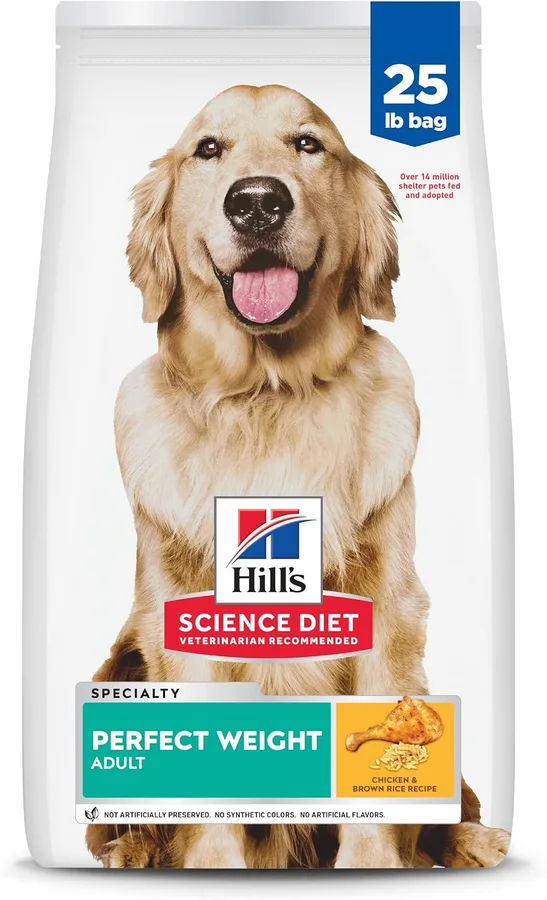
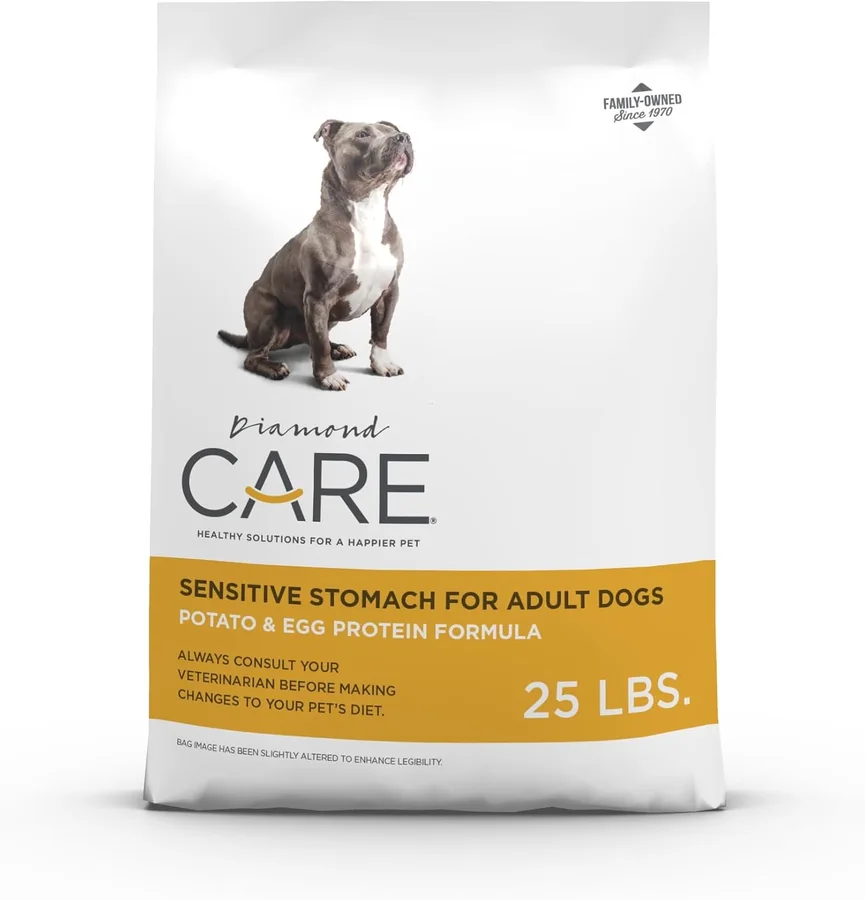
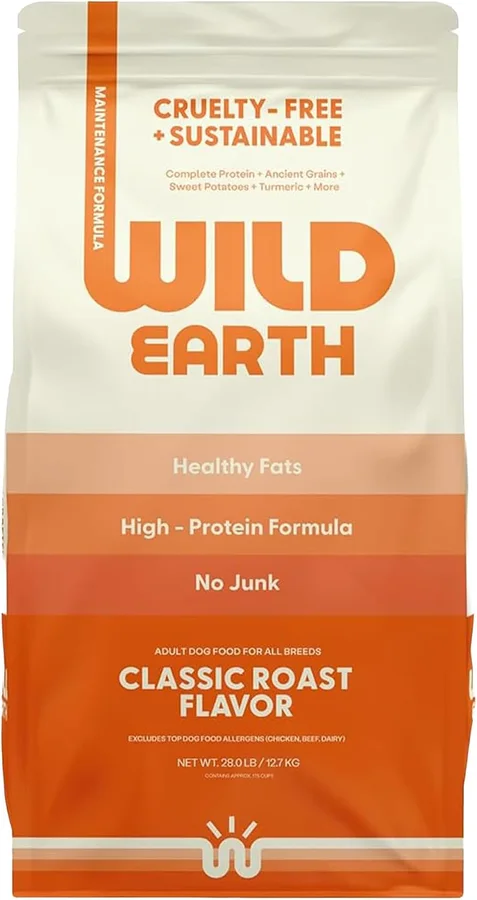
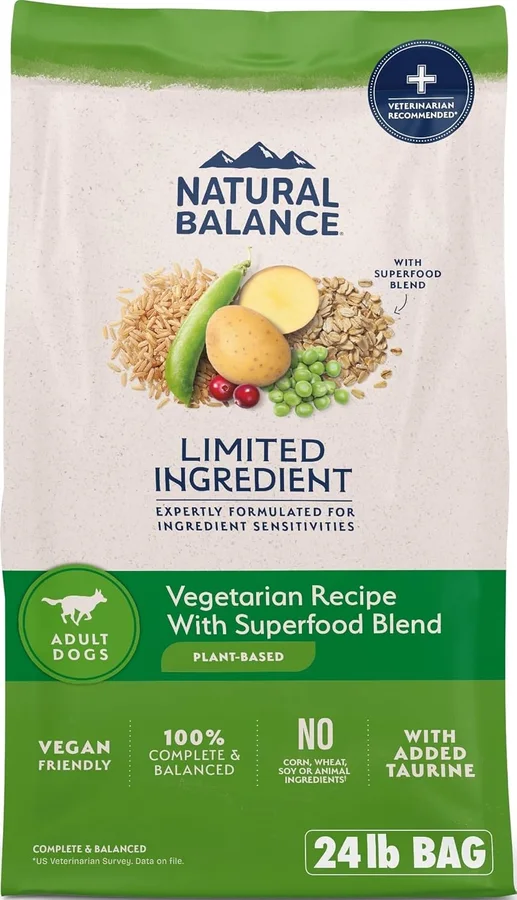
Buying GuideHow to Choose Dry Dog Food
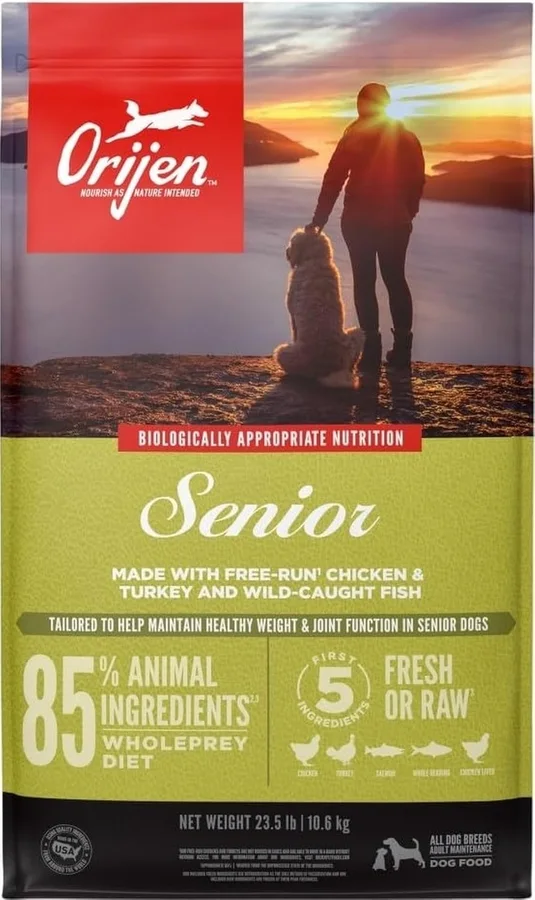
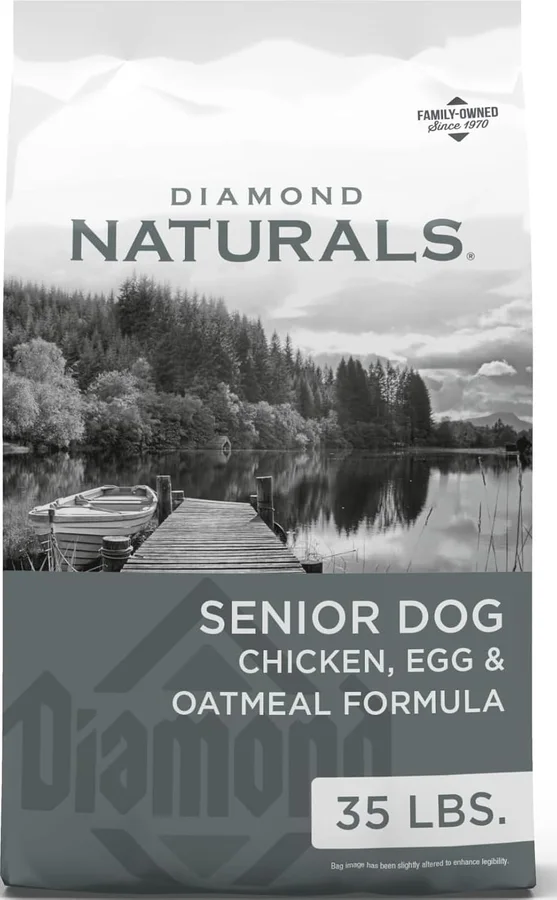
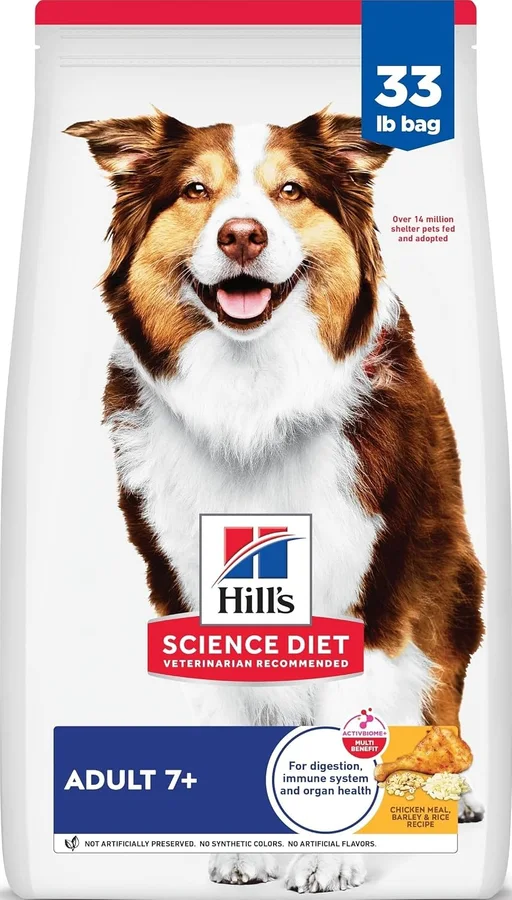
Start with the nutritional-adequacy statement, which FDA and AAFCO identify as the key label text for determining whether a food is complete and balanced and for which life stage. Adult maintenance, growth, gestation/lactation, and all life stages are distinct claims. For a puppy expected to weigh 70 lb or more as an adult, confirm that the exact bag includes growth of large-size dogs; a generic puppy title is not enough. A senior title usually still carries an adult-maintenance statement, so compare calories, feeding amount, body condition, activity, and health rather than age wording alone.
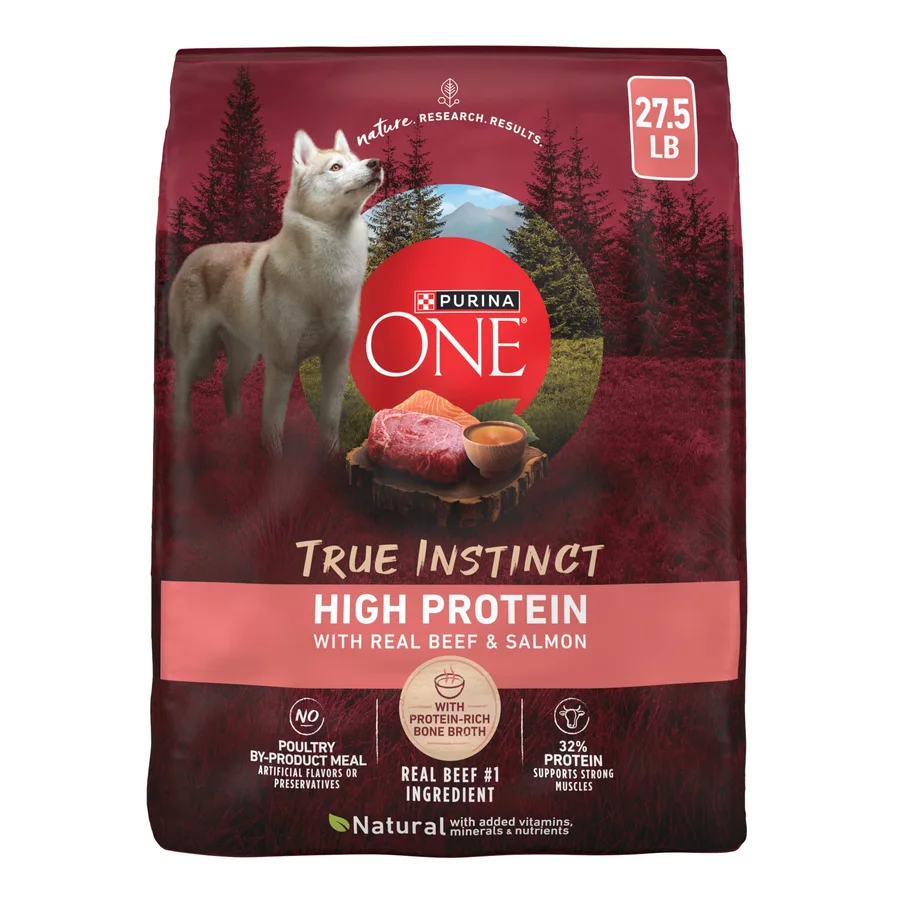
Do not grade a food by ingredient-list mythology. Ingredients are listed by pre-processing weight and the list does not reveal digestibility, nutrient bioavailability, finished-product testing, quality control, or the amount of each ingredient. A named first ingredient, a long list of animal proteins, a by-product, or a high crude-protein percentage cannot establish overall quality by itself. When comparing dry with wet food, FDA notes that as-fed guaranteed analyses are not directly comparable without accounting for moisture.
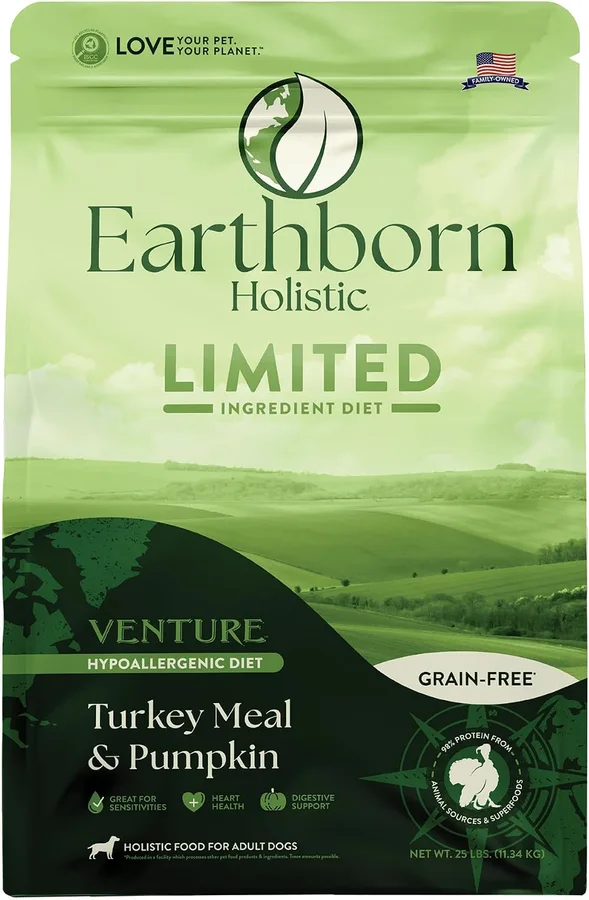
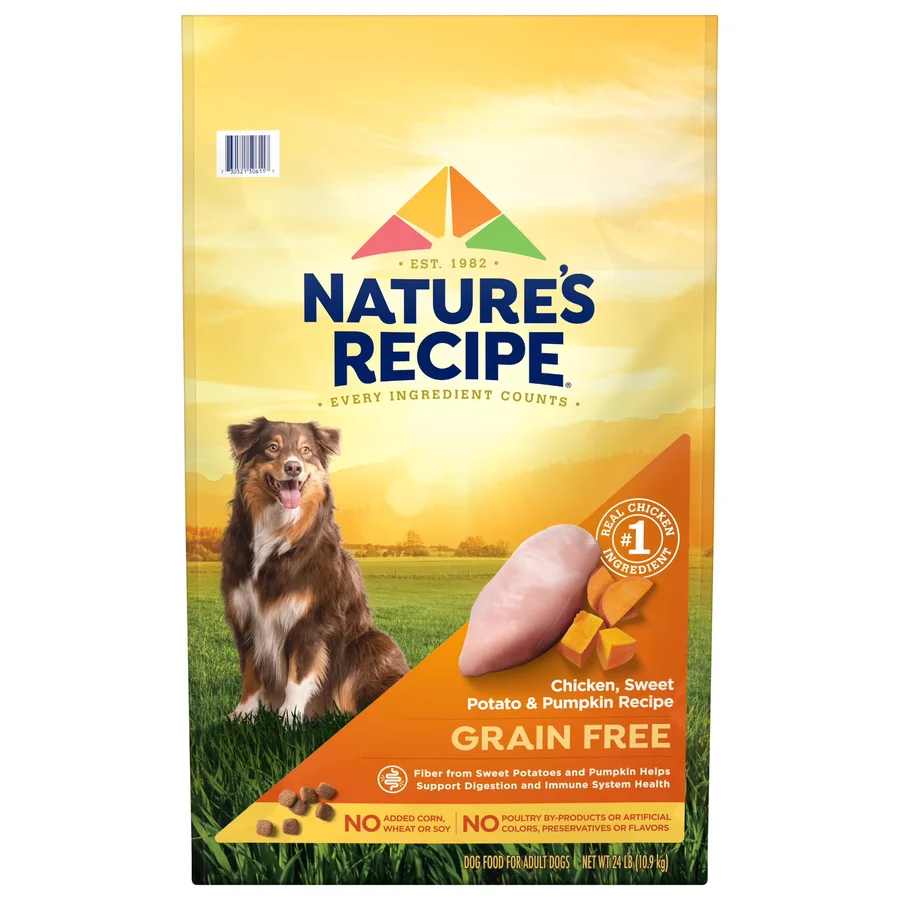
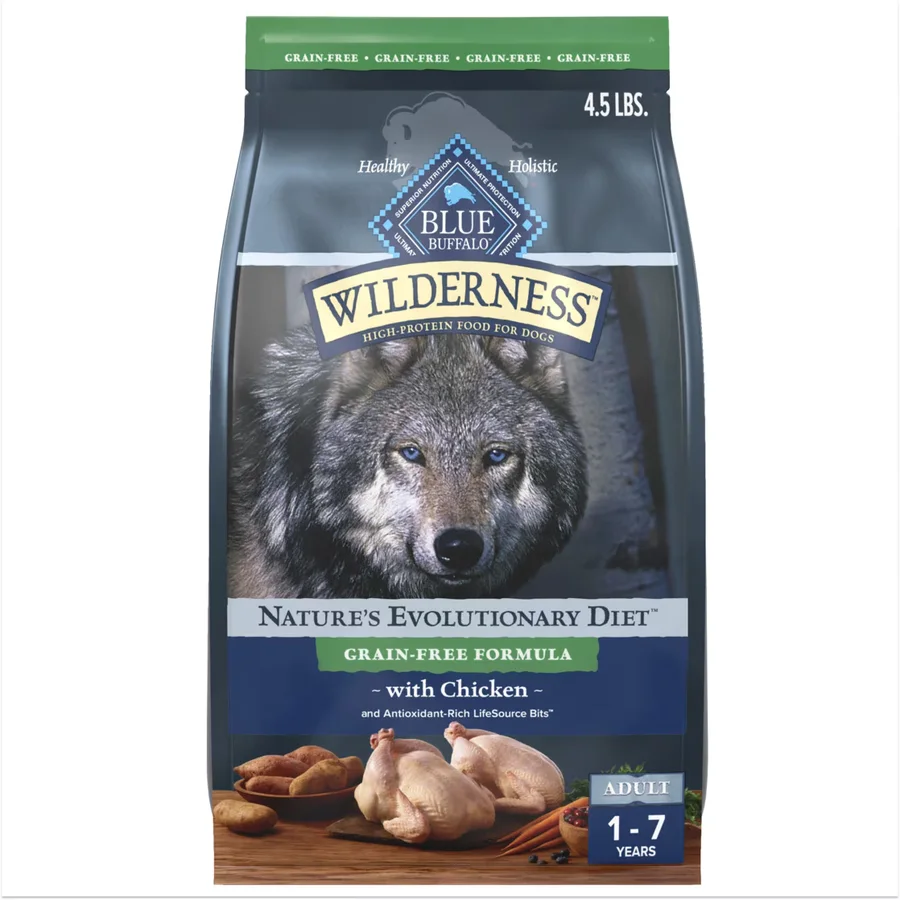
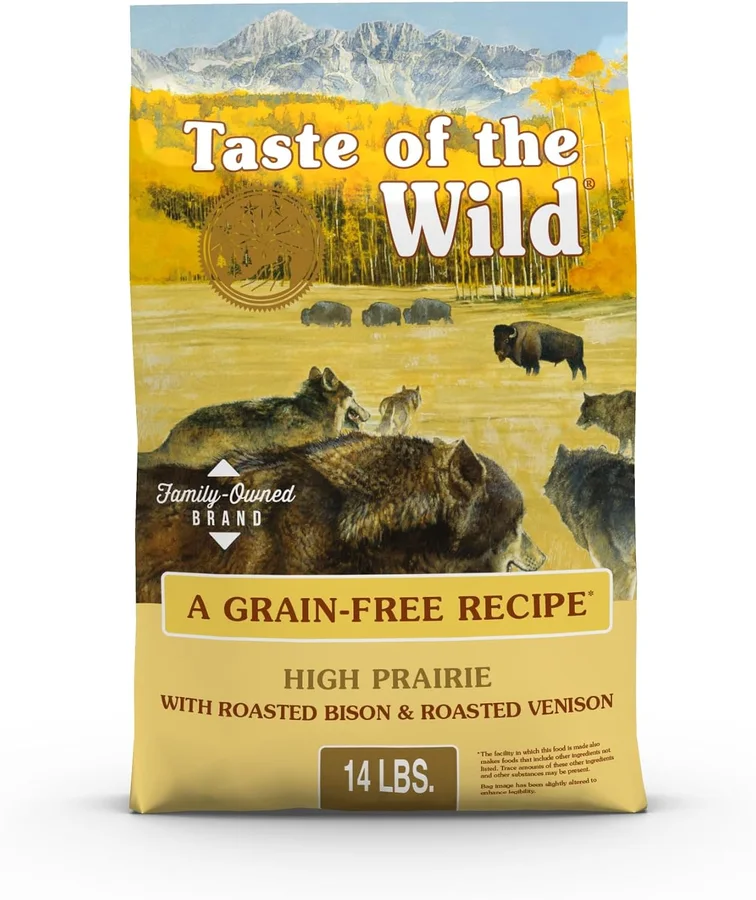
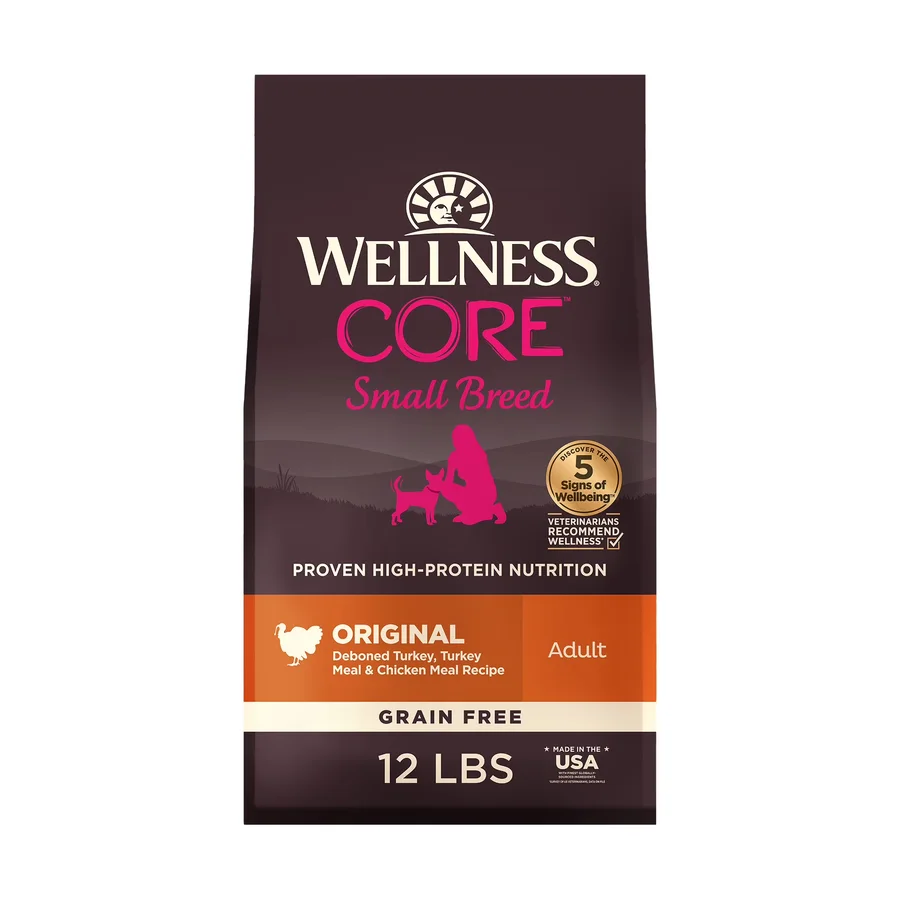
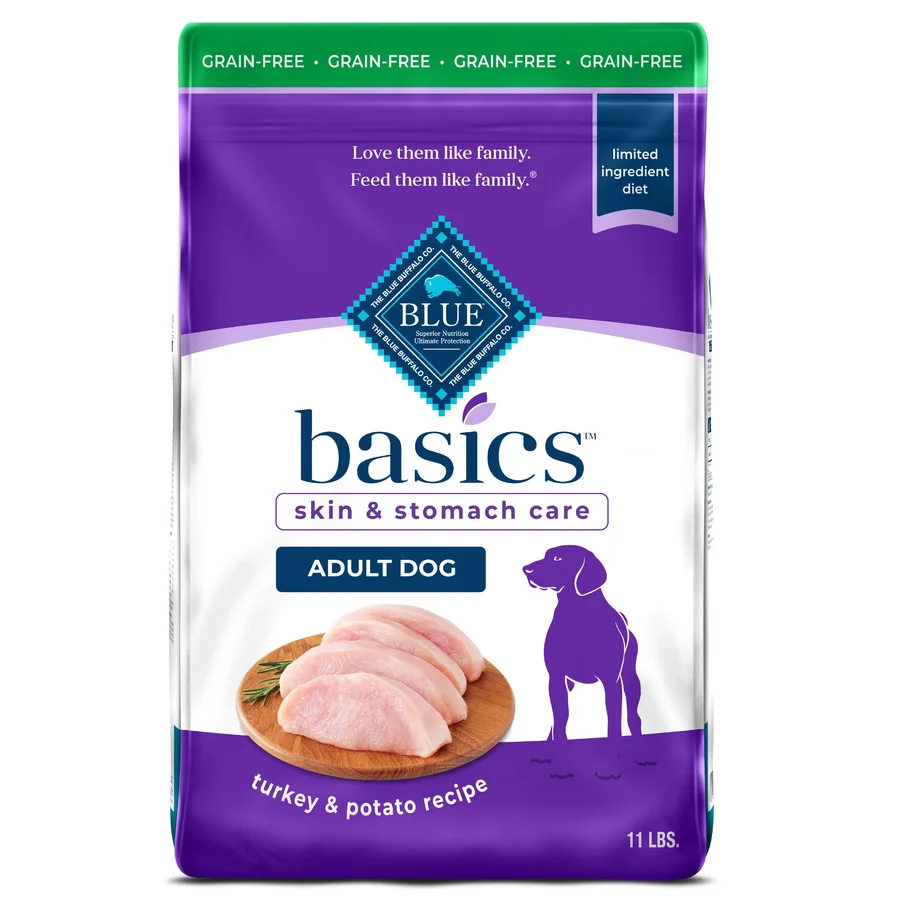
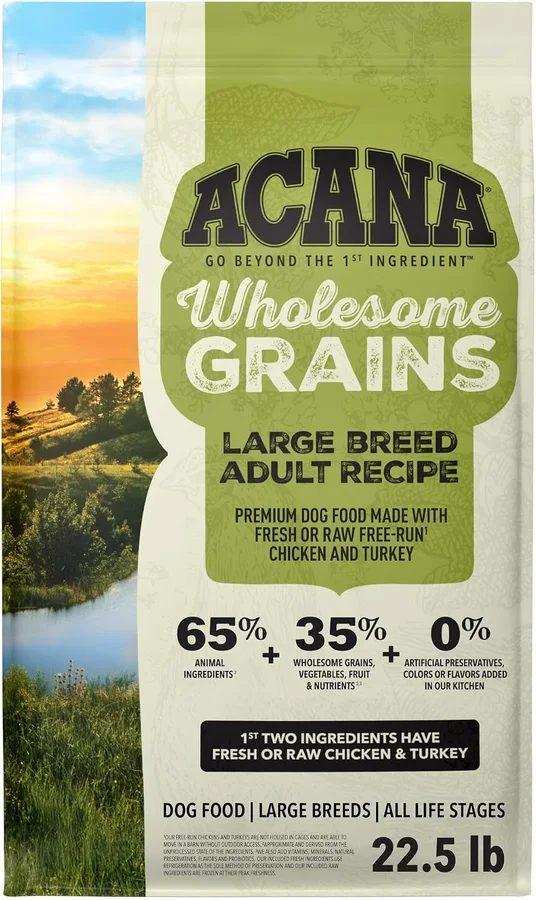
Grain-free is a formulation description, not a general health upgrade. FDA reports that non-hereditary DCM is complex and has been reported with both grain-free and grain-containing diets; no single ingredient has been established as the cause. Unless a veterinarian has identified an individual reason to avoid a grain, evaluate a grain-free food by the same life-stage, calorie, formulation, manufacturer-expertise, and quality-control questions as any other food.
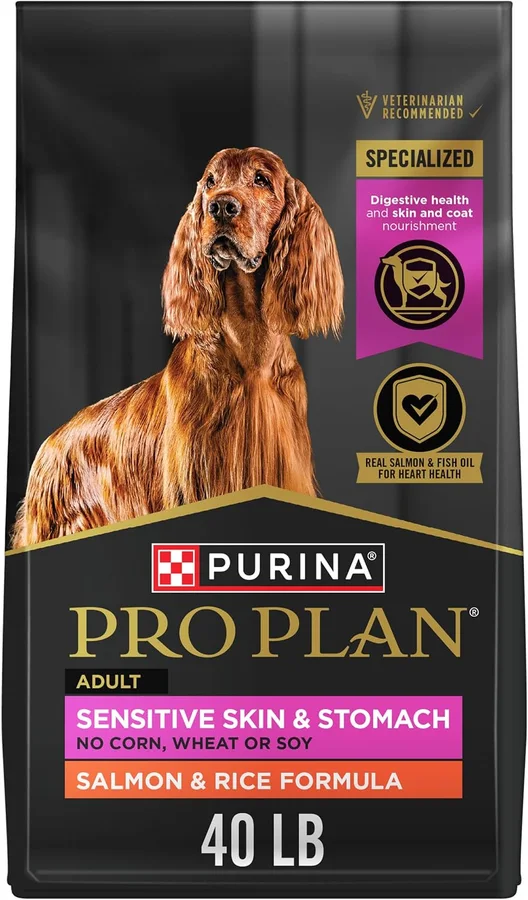
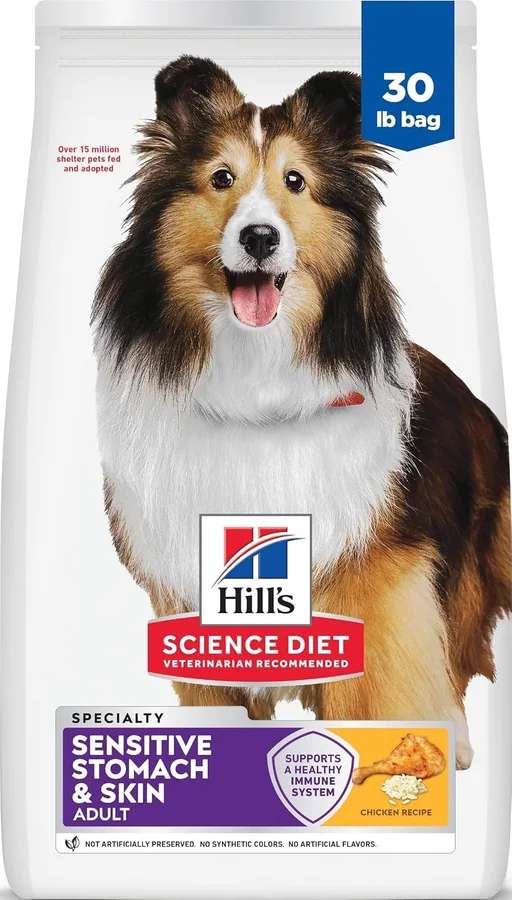
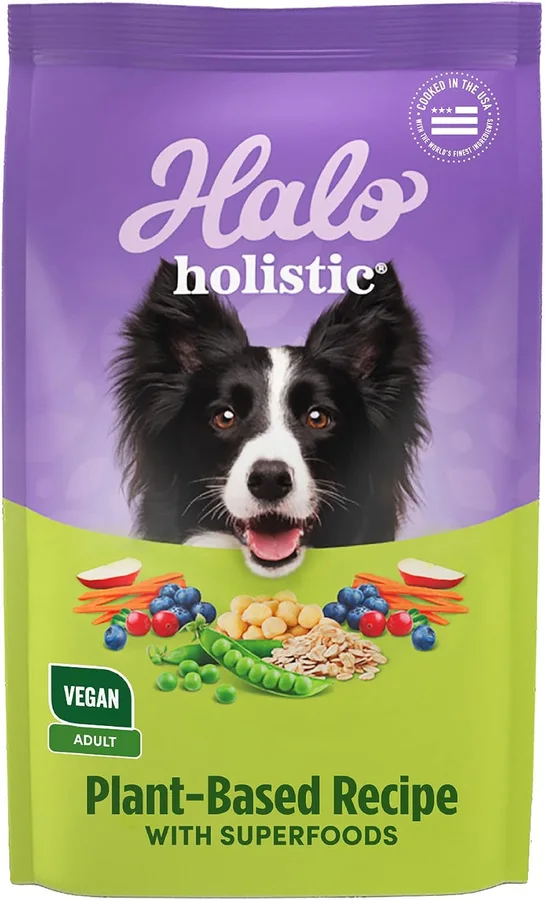
For recurrent vomiting, diarrhea, itching, weight change, urinary signs, pancreatitis, kidney disease, or another medical concern, seek veterinary assessment before changing diets repeatedly. Over-the-counter sensitive and limited-ingredient foods are not equivalent to veterinarian-authorized therapeutic, hydrolyzed, or controlled elimination diets. Do not start or replace a veterinary diet without the prescribing veterinarian. Plant-based maintenance foods can carry complete-and-balanced statements, but long-term suitability still depends on the individual dog and is worth reviewing with a veterinarian.
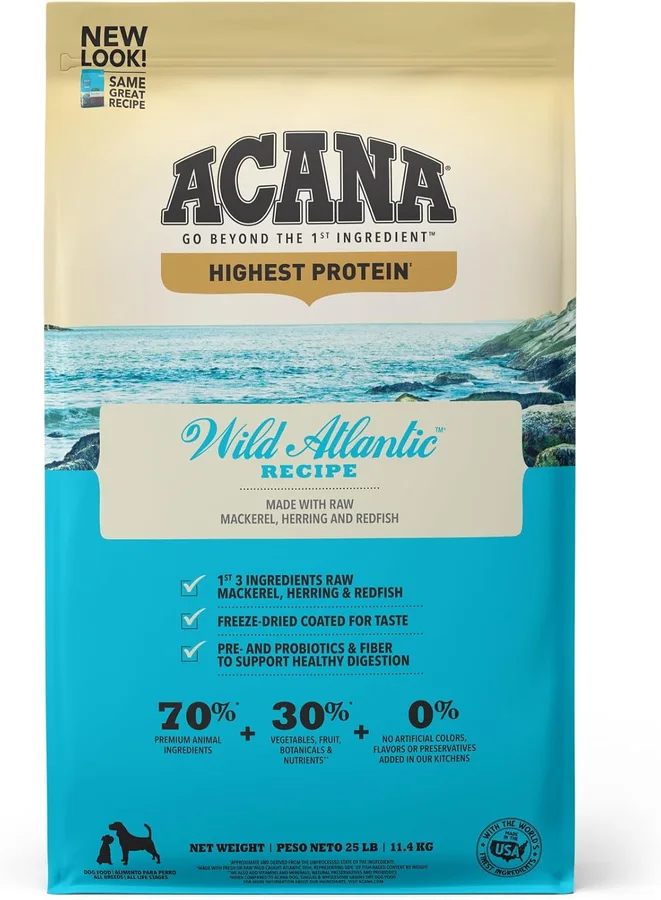
Ask the manufacturer the evidence-oriented questions highlighted by WSAVA: who formulates the food and what are their qualifications, whether the finished product is tested against its nutrient specification, where it is made, what quality-control and supplier-verification systems are used, what research or feeding studies support it, and whether the company can provide a typical nutrient analysis and calorie content. These answers are more informative than front-of-bag terms such as natural, premium, holistic, or ancestral.
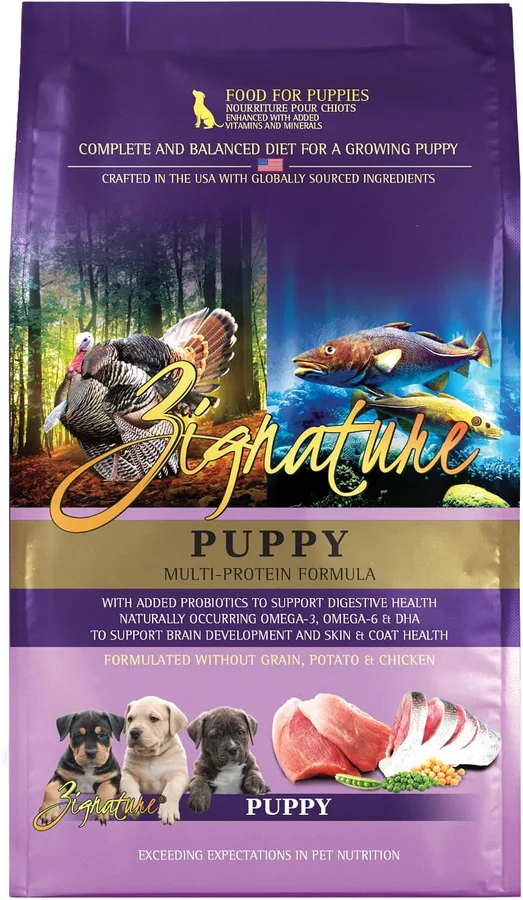
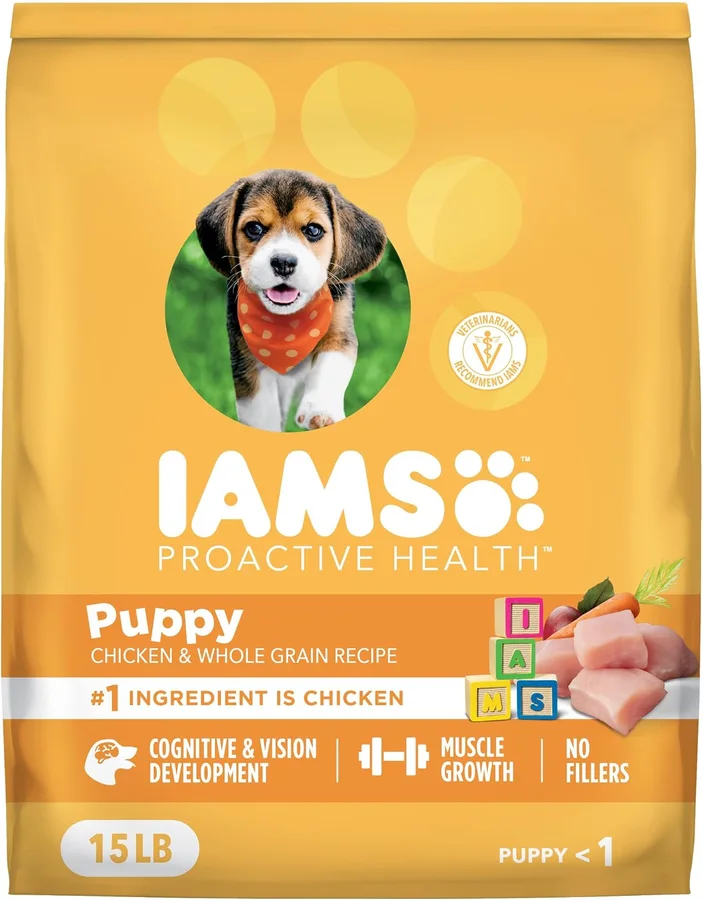
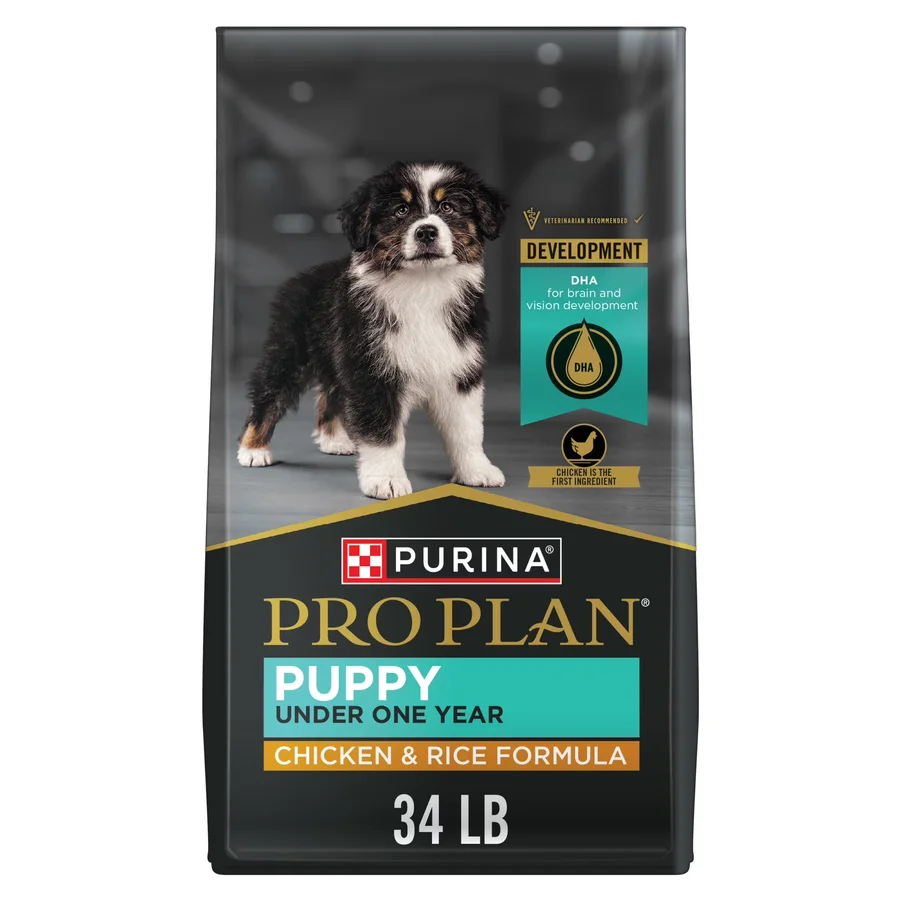
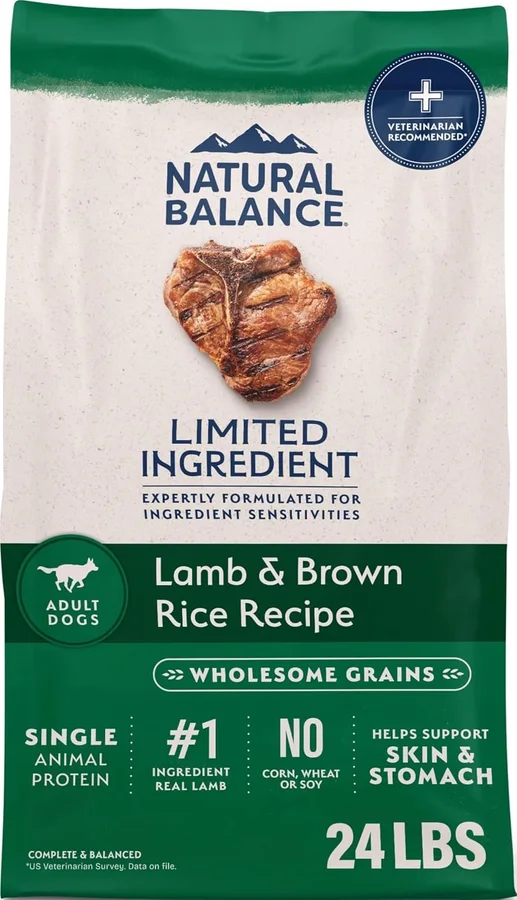
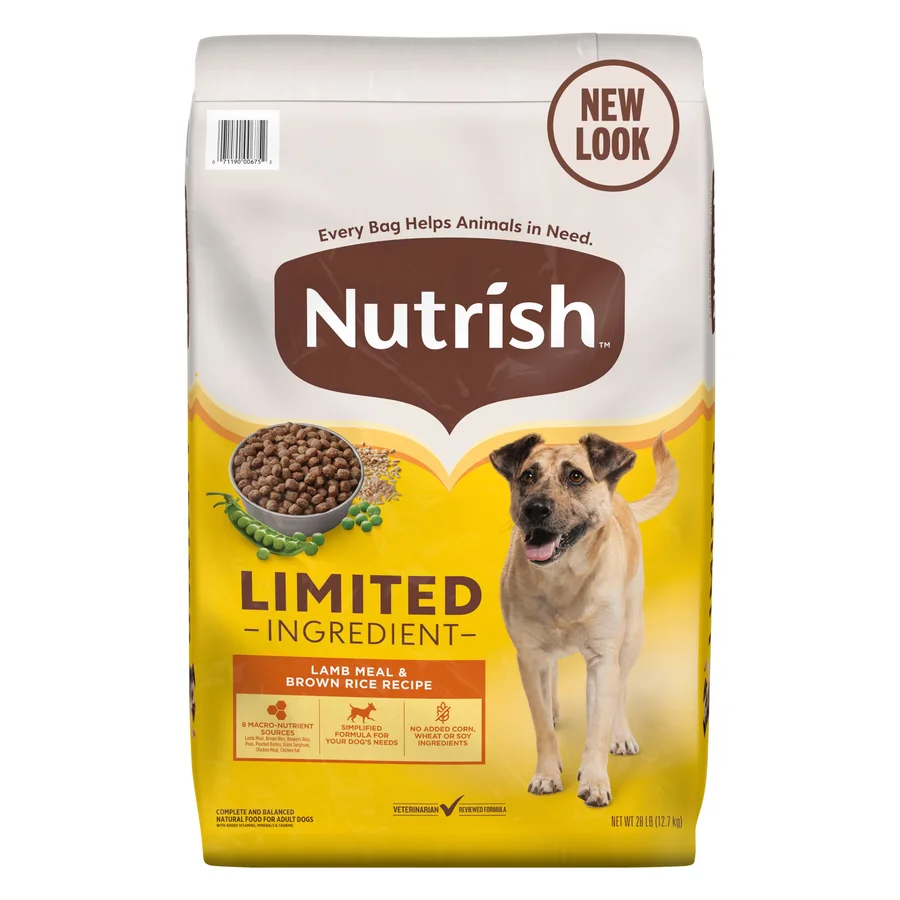
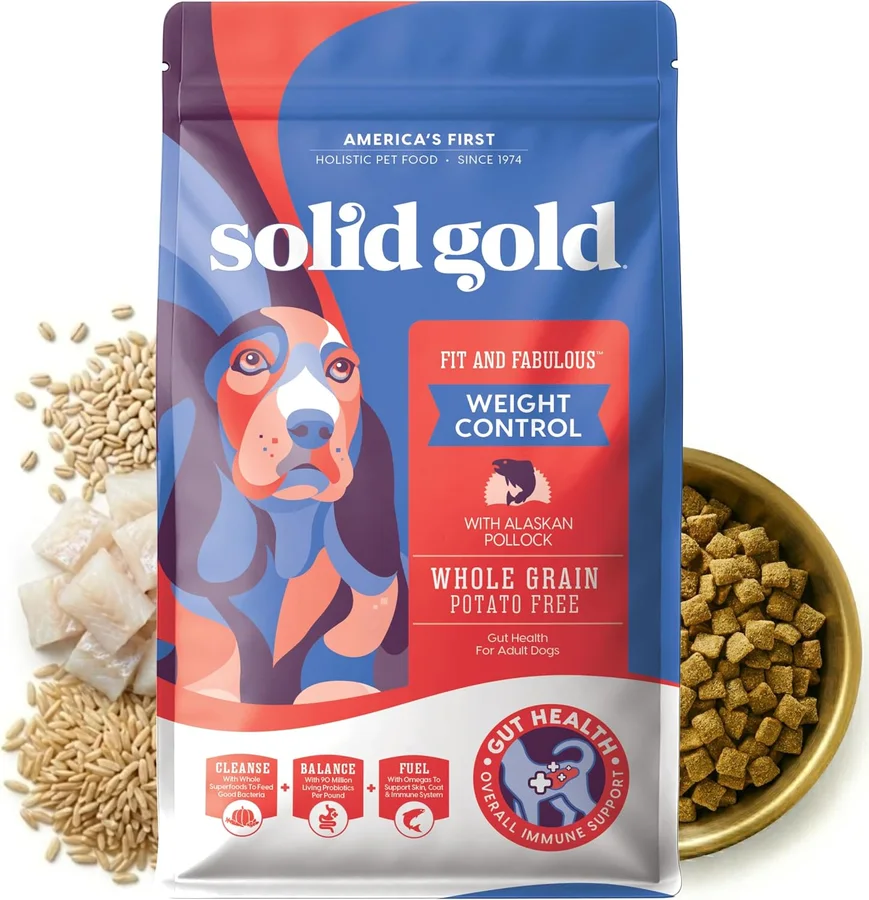
Recipes, ingredient order, adequacy statements, calories, kibble, package weights, and product names can change between bag generations and countries. Match the full product subtitle and inspect the delivered label before feeding, especially when avoiding an ingredient. Transition gradually according to the new food's label and veterinary advice; a common starting schedule is about 7 to 10 days, using progressively more new food, and some dogs need longer. Monitor appetite, stool, body weight, and body condition, and slow or stop the transition and contact a veterinarian if concerning signs occur.