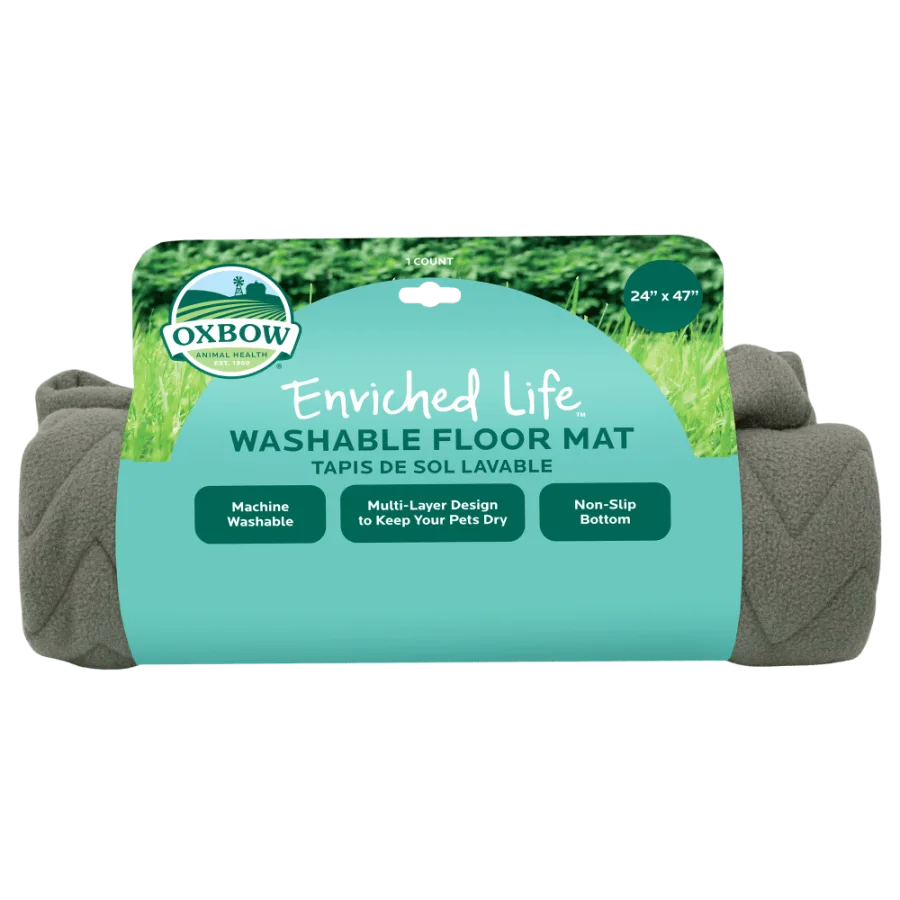
Oxbow Enriched Life Washable Floor Mat — 24 x 47 inches
Editorial pet-mat candidate with a published non-slip bottom; verify both mat movement and paw traction at home.

Three washable surface options, with clear limits on floor protection, loose edges, hay removal and sensitive feet.
Last reviewed:
Rabbit flooring has several separate jobs: keeping paws from sliding, providing a comfortable resting surface, managing accidents and protecting the floor beneath. One washable textile does not necessarily do all four. These three named products cover a pet mat, a fleece liner and a conditional cotton-rug option. None is chew-proof, and a household rug is not a treatment for sore hocks. Start with the rabbit's movement and chewing behavior, then check washing capacity and the surface underneath.
Some links on this page are affiliate links. We may earn a commission if you buy through them, at no extra cost to you. This never changes our research or which products we recommend.

Editorial pet-mat candidate with a published non-slip bottom; verify both mat movement and paw traction at home.
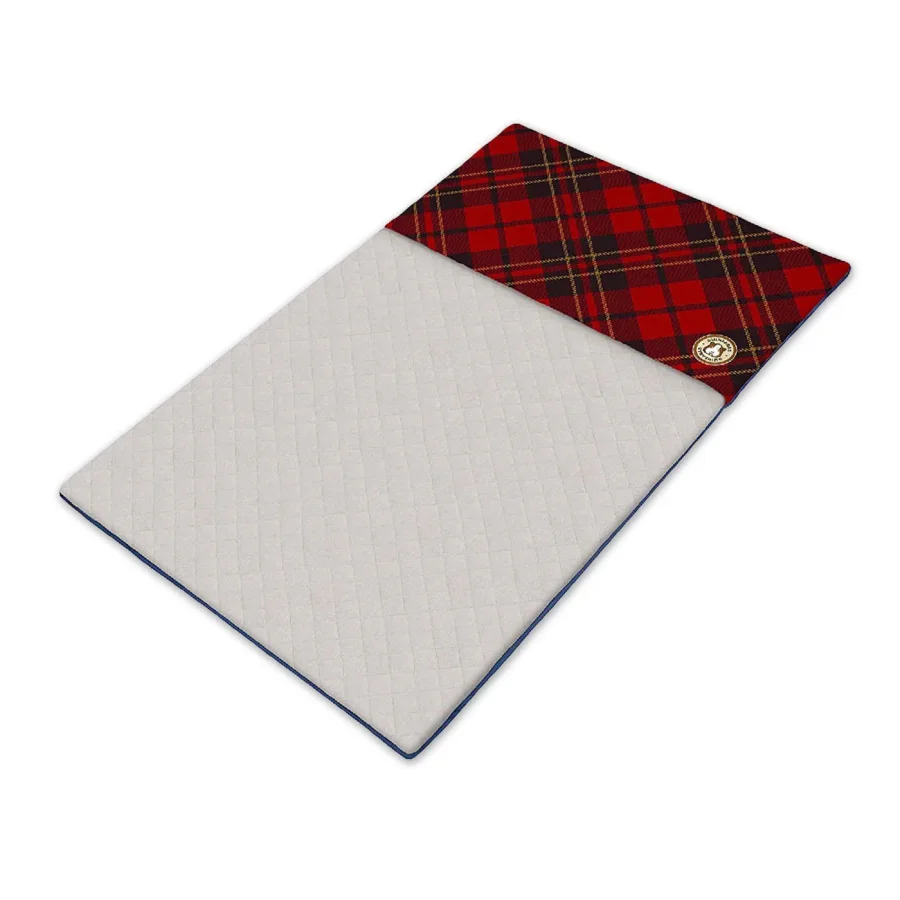
Editorial fleece-liner candidate when washed fit, intact edges and a spare-liner routine suit the rabbit.
Select the contact surface and the floor-protection layer separately, then check how they behave together.
| Rabbit Flooring & Mats | Best for | Pros | Cons |
|---|---|---|---|
| Multi-layer pet matOxbow's washable mat with non-slip bottom | Best forA defined resting or transition zone | ProsIntegrated backing and washable construction | ConsPublished grip does not prove grip on every floor; no verified leak test here |
| Fleece and absorbent coreGuineaDad Original Liner | Best forReusable soft-surface setups with regular liner rotation | ProsMoisture-handling layers in one textile | ConsHay catches in fleece; saturated areas and pocket edges require inspection |
| Flatwoven cotton rugIKEA TIPHEDE as a conditional room route | Best forHealthy-footed non-chewers after a traction and abrasion check | ProsWashable low-profile room coverage | ConsNo waterproof barrier or therapeutic cushioning; loose fabric can bunch |
| Exposed foam tilesNot a recommended product pick | Best forNot suitable as an exposed chewing-accessible surface | ProsSoftness alone can look appealing | ConsLiftable seams and foam edges invite chewing; a covering is not protection if the rabbit can pull it back |
Absorbent material stores moisture but eventually saturates. A waterproof barrier may protect the floor while leaving urine sitting on top. Neither claim guarantees dry feet, and machine washable does not mean a wet mat can stay in service.
Map a continuous stable route between hay, water, litter boxes and resting places. A single small mat in the middle of a slick room will not fix sliding at the places a rabbit has to turn or jump. Push the mat from several directions, check that corners lie flat, and watch the rabbit walking, turning and leaving the litter box. A non-slip backing describes the mat-to-floor interface, not guaranteed paw-to-fabric traction.
Check edge access before adding cushioning. Interlocking foam tiles, rug underlay and waterproof sheets are vulnerable when corners or seams can be lifted. A rug loosely thrown over foam is not a chew barrier. Keep backing and any separate protective layer fully inaccessible; if that cannot be maintained, do not use that arrangement. Remove any mat that is chewed, develops loose threads or reveals its inner layers. No mat is chew-proof, including cotton products.
Separate waterproofing from absorbency. A surface can wick moisture away yet allow it through to the floor; a waterproof backing can hold liquid against the rabbit when the absorbent layer is full. We do not label the three products here independently verified leak-proof. Check the underside and floor during the initial supervised trial and after accidents. Replace wet areas promptly, use a protected base where necessary, and inspect that base for hidden dampness.
Plan hay removal before choosing a laundry routine. Brush or shake loose hay and droppings into the waste before washing; do not send them down the machine drain. Remove hair, check seams, and follow the exact product's care label rather than applying one fleece washing temperature to all textiles. Avoid fabric conditioner on wicking fleece. Wash in loads your machine can handle and dry fully before reuse; keep a second clean covering available instead of leaving a bare slippery route on wash day.
For bonded pairs, cover the paths both rabbits actually use and watch for bottlenecks around a shared box. More rabbits can mean more wet zones, not merely a larger dry mat. Rotating smaller intact sections may be easier than washing one huge liner, but overlap must not create ridges, loose flaps or reachable backing. Verify final coverage after washing because shrinkage can expose a previously covered edge.
For sore hocks or limited mobility, ask a rabbit-savvy vet about the contact surface and underlying cause. RWAF favors veterinary bedding or fleece indoors and warns that abrasive carpet and overly firm surfaces can stress feet. A thin cotton rug is not an equivalent therapeutic resting surface. Check feet regularly and seek prompt care for redness, enlarging bald patches or discomfort rather than assuming a softer-looking mat solves the problem.
Filter by feature:

The official Oxbow listing offers a 24-by-47-inch version and describes a machine-washable, multi-layer mat with a non-slip bottom for use inside or outside a habitat. The bottom's grip and the rabbit's traction on top are different things: check both on your floor. The page does not establish an independently tested waterproof barrier or a chewing-resistant construction.
Why we recommend it
A defined-size pet mat to compare when you want integrated backing and a washable resting or transition zone, without assuming it covers the whole exercise area.
Pros
Cons
Best for

GuineaDad describes a fleece liner with an absorbent bamboo-fiber layer, marketed primarily around guinea pig cage sizes. Its care guide describes a waterproof underside, but that is not an independent leak test or a promise that saturated fleece stays dry. Its size guide says dimensions describe the target cage rather than exact liner measurements, with allowance for shrinkage. For a rabbit, verify the washed fit and inspect seams and any pocket; a guinea pig burrowing feature is not automatically a suitable rabbit hide or a chew-safe edge.
Why we recommend it
A reusable fleece option for owners who can rotate clean liners and supervise rabbit-specific fit and chewing, rather than relying on guinea pig marketing as proof of rabbit suitability.
Pros
Cons
Best for
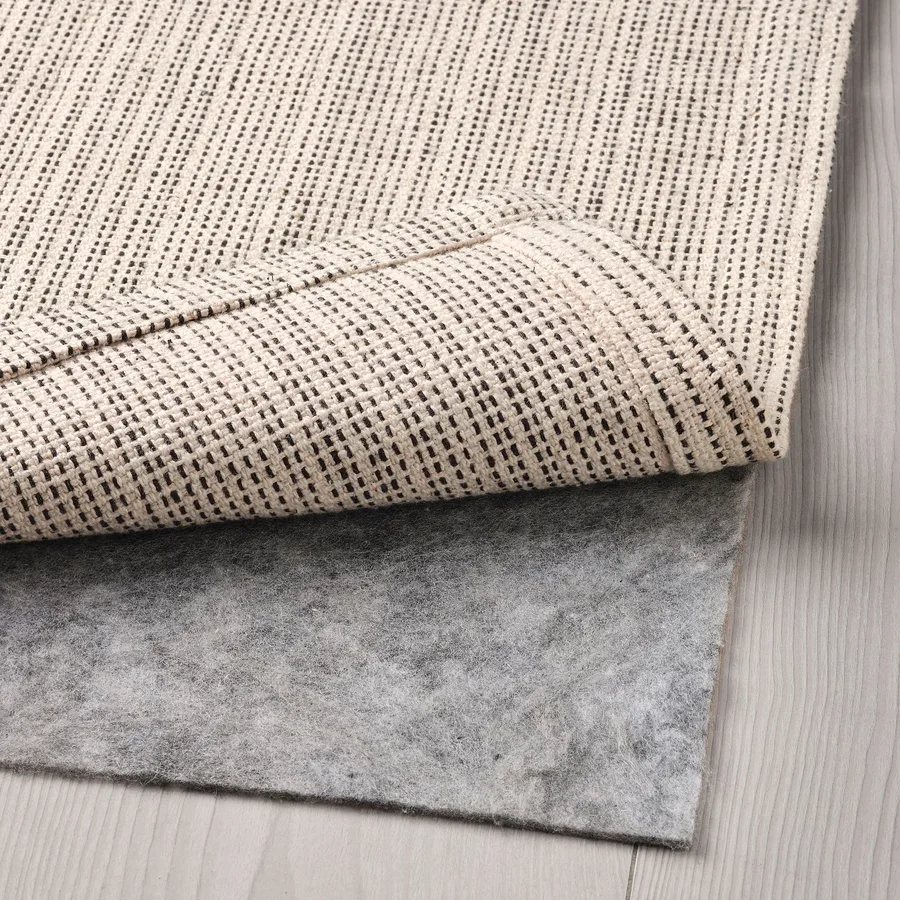
IKEA lists this specific TIPHEDE as flatwoven 100% cotton, machine washable with line drying, and up to 5% shrinkage. It is a household rug, not a pet liner, waterproof layer or padded veterinary surface. Consider it only for a secured, supervised route across a slippery room where the individual rabbit does not chew textiles; check surface abrasion and supply a separate softer resting area.
Why we recommend it
A transparent cotton-rug comparison for washable room coverage, with stronger qualifications than a purpose-made pet liner.
Pros
Cons
Best for
Do not leave foam tiles or their seams accessible to chewing. Covering them is not enough when the rabbit can pull back the cover or reach an edge. Use a setup with stable, intact surfaces and inaccessible underlayers, and remove it if damage appears. None of our three picks is chew-proof.
No. Washable describes care, absorbent describes liquid storage, and waterproof describes a barrier. We do not claim independently verified waterproof performance for these picks. Check both the top and underside after accidents and replace damp material promptly; a barrier beneath a saturated liner does not keep feet dry.
Sometimes, as a secured route for a non-chewing rabbit with healthy feet, not as a universal substitute. TIPHEDE is verified flatwoven cotton and washable, but it is thin, not waterproof and not a veterinary bedding product. Check for abrasion, bunching and loose threads. For sore hocks, discuss a suitable soft resting surface with your vet.
Remove droppings and shake or brush out hay before laundry, then pick out remaining strands and hair. RWAF specifically advises removing hay before washing to avoid blocking the machine. Follow the product's own care instructions and dry it completely before putting it back.
No. The manufacturer says listed dimensions describe cage sizes, with liners designed to allow for shrinkage. Measure the rabbit area and verify the washed fit rather than treating a C&C or Midwest label as a precise finished rectangle. Check whether any pocket or edge is appropriate for your rabbit.
The backing may be moving on the floor, the top may not give that rabbit enough purchase, or loose folds may shift during turns. Test both surfaces and remove wrinkles without creating accessible underlay edges. New stiffness or difficulty moving warrants a veterinary assessment as well as a flooring check.
Last reviewed:
Desk research reviewed on September 10, 2026. Three distinct products were verified on first-party pages: Oxbow's 24-by-47-inch mat, GuineaDad Original Liner and the specified IKEA TIPHEDE cotton rug. Size and color variants are not extra picks. We distinguish manufacturer-listed construction and care from our conditional rabbit-use judgments, informed by RWAF guidance. We did not perform traction, leak, abrasion or chewing tests, collect owner reviews, or verify live prices. Role labels describe editorial use cases rather than sales popularity or veterinary certification.