Premium Choice
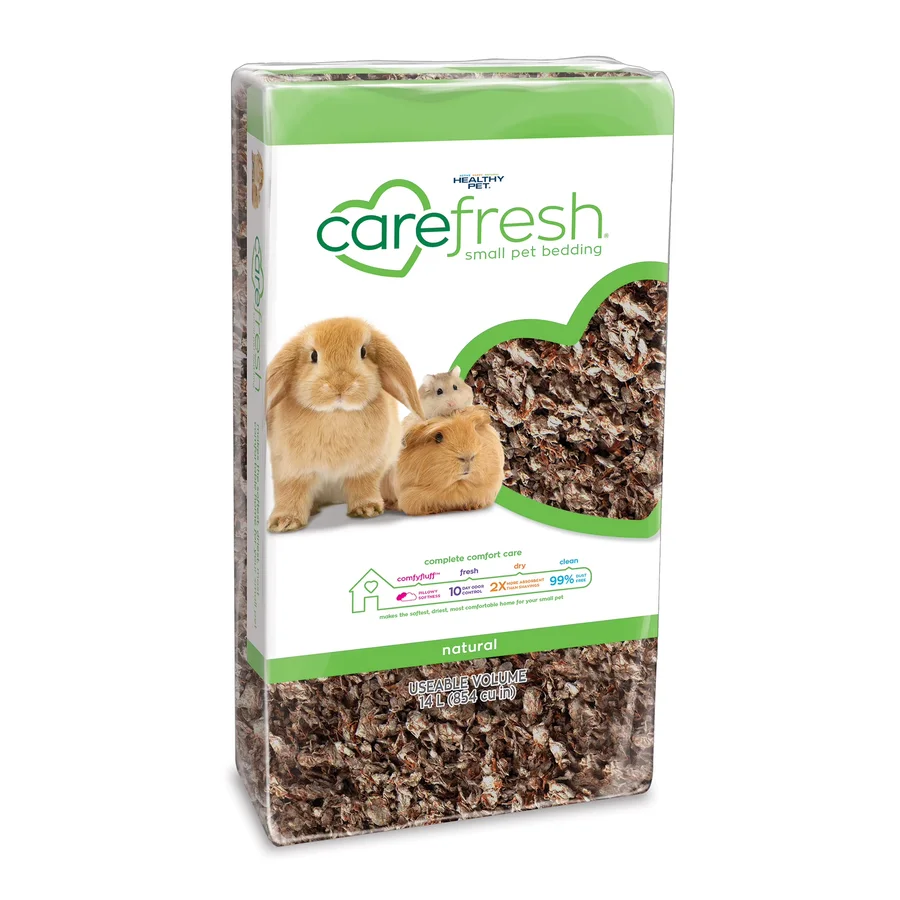
Carefresh Natural Small Pet Bedding
Carefresh Natural Small Pet Bedding is a broadly trusted soft-paper option for large rabbit boxes, especially when owners want easy mainstream replacement and gentle footing.

Some links on this page are affiliate links. We may earn a commission if you buy through them, at no extra cost to you. This never changes our research or which products we recommend.
Carefresh Natural Small Pet Bedding is a broadly trusted soft-paper option for large rabbit boxes, especially when owners want easy mainstream replacement and gentle footing.
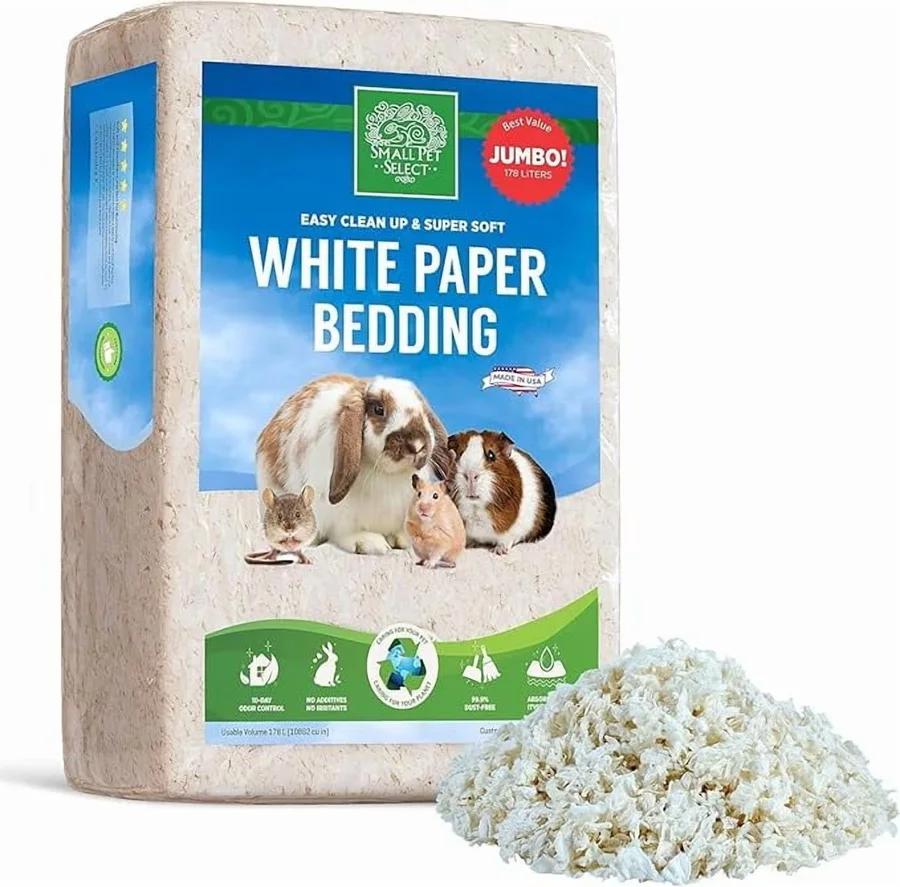
Small Pet Select Unbleached White Paper Bedding makes sense for homes that go through litter quickly and want an unscented bulk paper option.
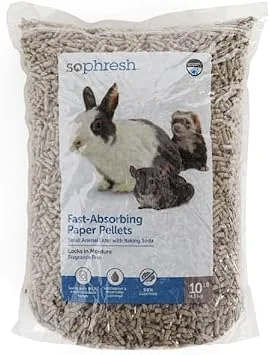
A useful chain-store option when you want paper pellets and reliable shelf presence instead of a specialty online order.
Filter by feature:
A recycled-paper bedding line widely used in rabbit litter boxes, especially when owners prefer a softer top layer rather than dense pellets. It is sold in several bag sizes, but the amount needed depends on box size, how much hay ends up in the pan, and how often the rabbit urinates in one corner. Check the current listing because Carefresh color variants and package graphics can differ by retailer.
Why we recommend it
A good premium everyday choice for roomy boxes when you want soft footing and easy mainstream availability.
Pros
Cons
Best for
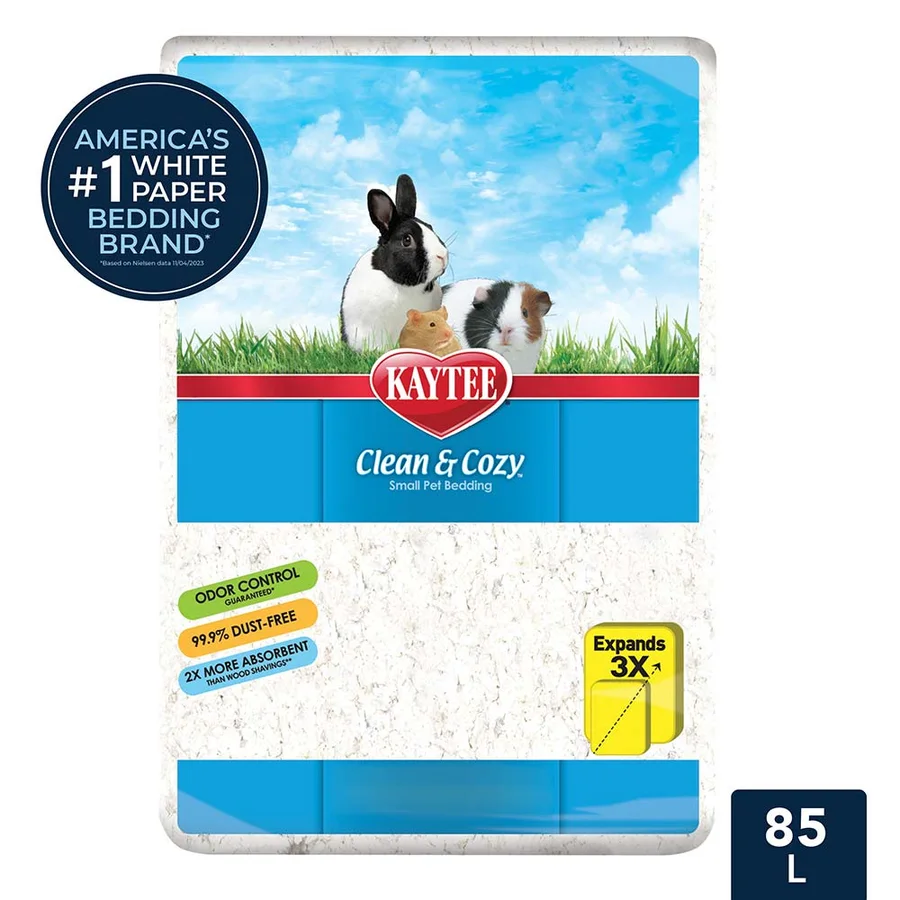
A soft paper bedding line sold in bulky compressed bags and marketed for low dust. The bright white version can make urine color changes easier to notice during daily cleanup, though it still needs frequent replacement in favorite corners. Package volume and expansion claims vary, so compare the current bag size rather than guessing from photos.
Why we recommend it
A practical value pick when you want soft paper bedding, visible waste spots, and broad retailer coverage.
Pros
Cons
Best for
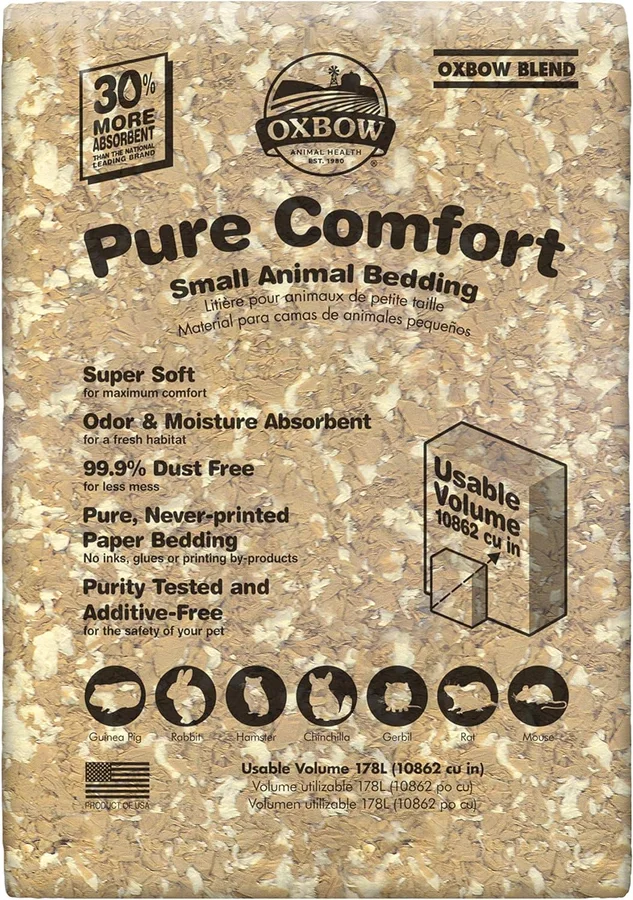
A paper bedding line from a rabbit-focused brand that pairs easily with hay-heavy litter-box setups. The compressed bag expands considerably, so it is better matched to owners willing to fluff and refresh it often instead of relying on a thin layer to do all the absorbency work. Check the current listing for bag volume because Oxbow has offered several sizes.
Why we recommend it
Appealing for owners who already trust Oxbow rabbit products and want a soft unscented litter-box bedding to pair with hay.
Pros
Cons
Best for
An e-commerce paper bedding option often purchased in larger bags for rabbits using big litter pans or several boxes. It works best for homes that know their litter turnover and can store spare bedding clean and dry after delivery. Because it is mainly an online purchase, confirm the current bag size before assuming it matches a previous order.
Why we recommend it
A strong bulk value option for rabbit households that already know they prefer loose paper bedding and rotate through it steadily.
Pros
Cons
Best for
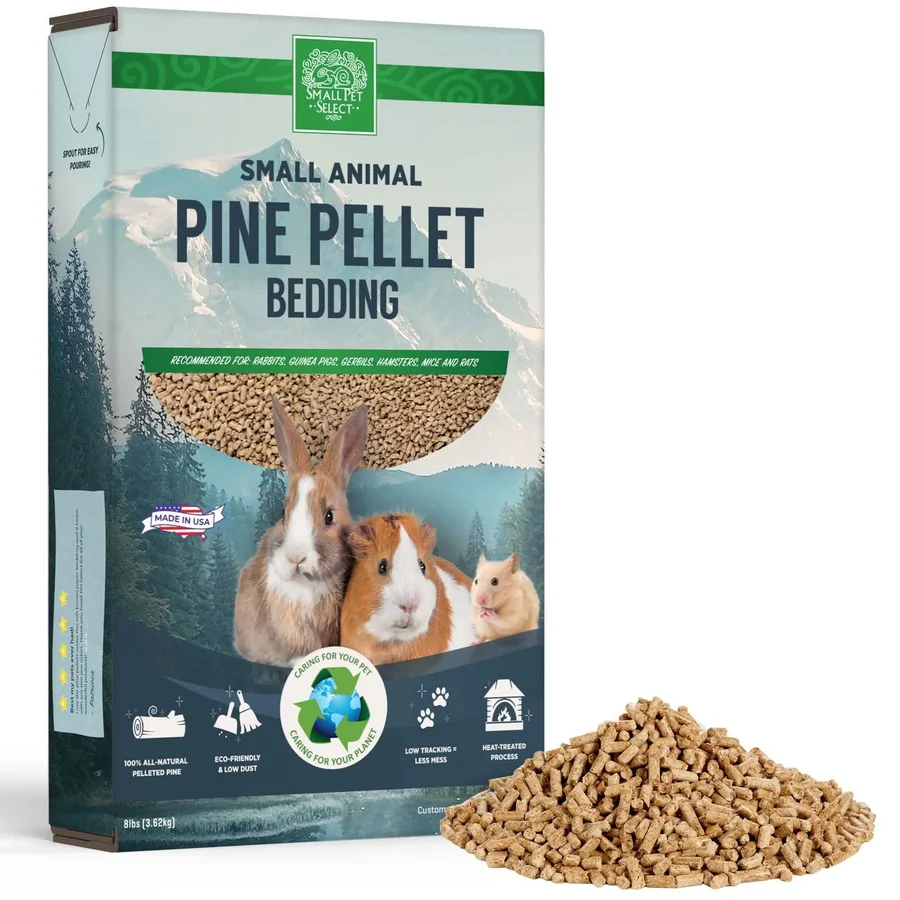
A compressed pine-pellet bedding option often used as an absorbent base layer under hay or a softer paper topper. Pellet systems can simplify scooping wet spots, but some rabbits prefer a softer surface and do better when the pellets are partly covered. Confirm the current pellet size and bag weight because online listings can bundle different formats.
Why we recommend it
Best for households that want stronger absorbency from a pelleted base and are comfortable customizing the top layer for rabbit comfort.
Pros
Cons
Best for
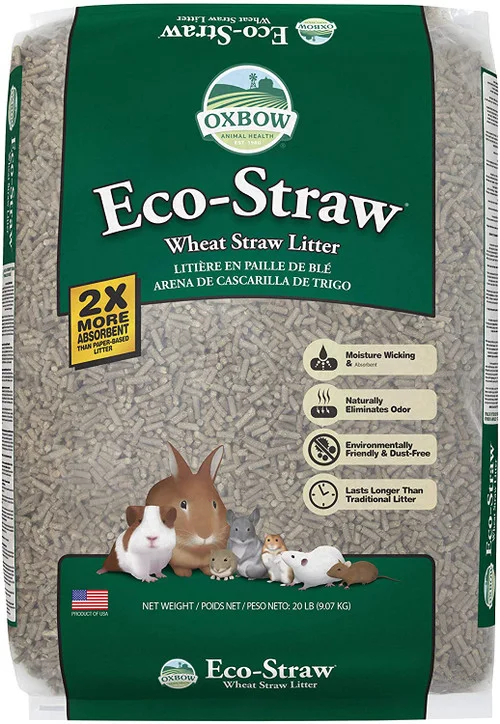
A wheat-straw pellet litter line sold for small animals that need a more structured, absorbent pan setup. It offers a different plant-fiber feel than paper pellets or loose fluff, which some owners prefer for odor management in high-urine corners. As with any pellet litter, add enough depth to absorb moisture without letting the rabbit sit on a constantly wet patch.
Why we recommend it
Useful for owners comparing paper and plant-fiber pellets and wanting a rabbit-oriented brand name on the bag.
Pros
Cons
Best for
A paper-pellet small-animal litter line that is often easy to find through large chain pet retailers. It can serve as a straightforward absorbent layer in roomy rabbit boxes, especially when the owner already buys hay and bowls from the same store. Check the current package size because So Phresh litter variants are sold in several formats.
Why we recommend it
A useful chain-store option when you want paper pellets and reliable shelf presence instead of a specialty online order.
Pros
Cons
Best for
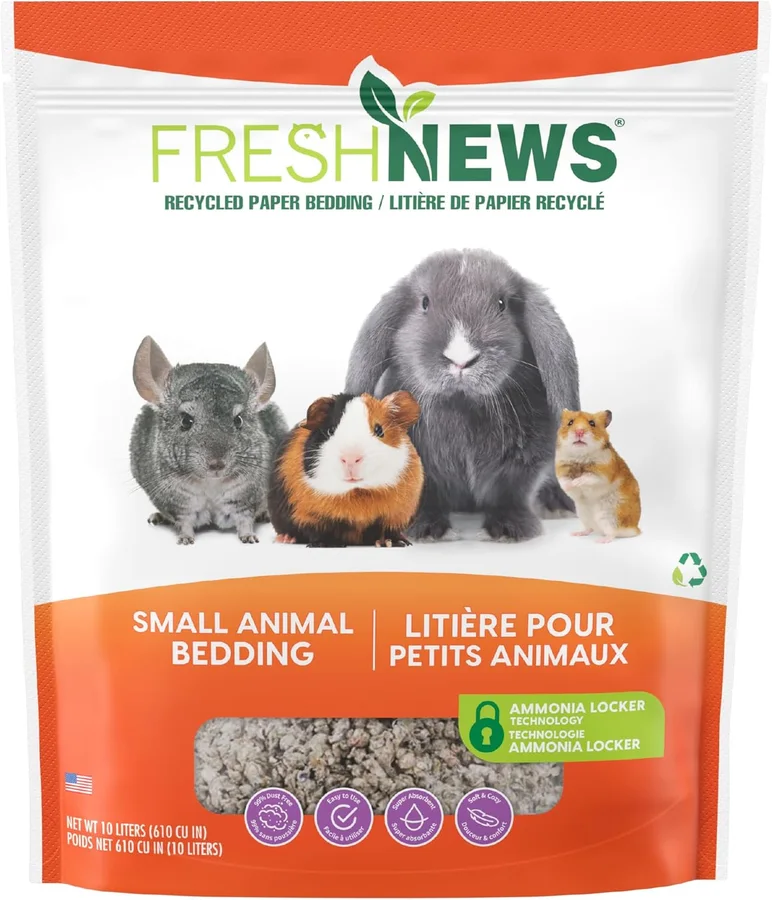
A recycled-paper bedding product sold in bag sizes that are accessible for new rabbit owners or occasional litter-box users. It works well for topping, mixing, or building a softer zone over a more absorbent pellet base. Because retailers sometimes list several Fresh News textures together, confirm you are ordering the small-animal bedding version you want.
Why we recommend it
A reasonable value choice for people who want loose recycled-paper bedding and smaller trial-friendly pack sizes.
Pros
Cons
Best for
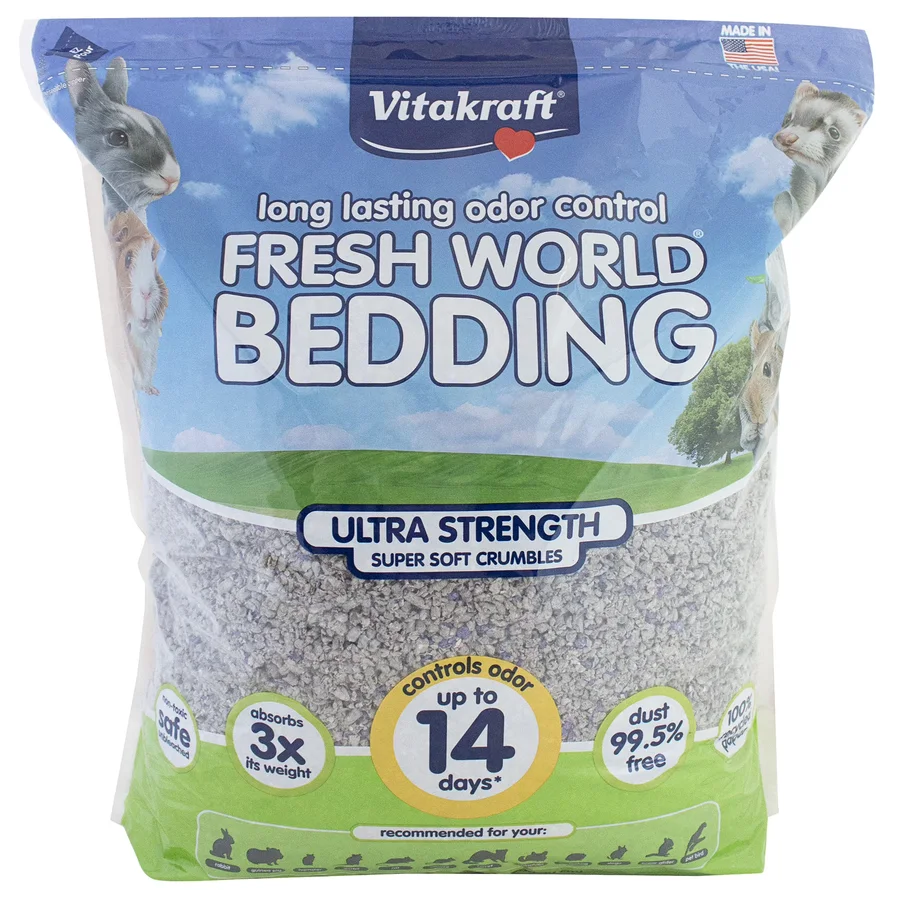
A paper-based bedding line positioned around practical absorbency for small animals. It can suit rabbit owners who want another mainstream loose-bedding option, but it still benefits from a roomy pan and frequent spot cleaning rather than relying on deodorizing promises. Check the current bag wording because Fresh World listings sometimes highlight different package sizes and strengths.
Why we recommend it
A mainstream loose-bedding alternative for homes that want another absorbent paper option beyond the most common two brands.
Pros
Cons
Best for
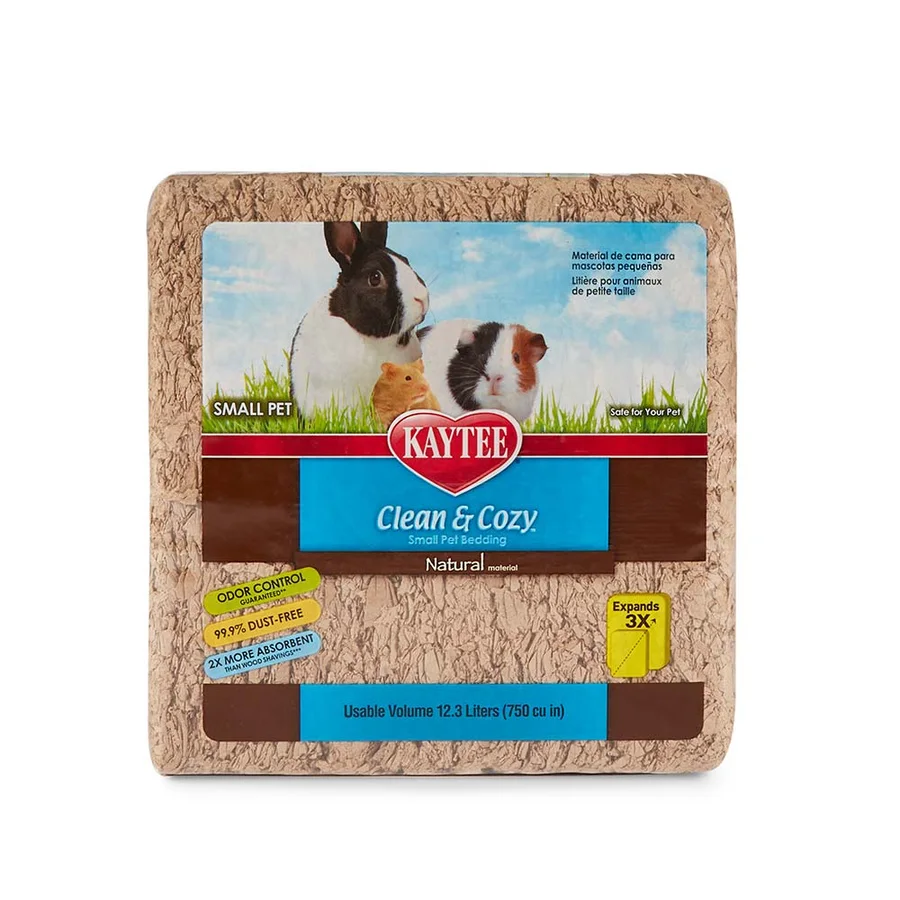
An unscented paper bedding sold in common trial and refill sizes. Kaytee identifies the Natural version as made from paper and suitable for small-animal habitats. For a rabbit litter box, use it in a roomy pan, remove wet sections daily, and do not treat any odor-control claim as a substitute for cleaning.
Why we recommend it
A straightforward first paper bedding because the exact Natural version is broadly stocked and easy to replace.
Pros
Cons
Best for
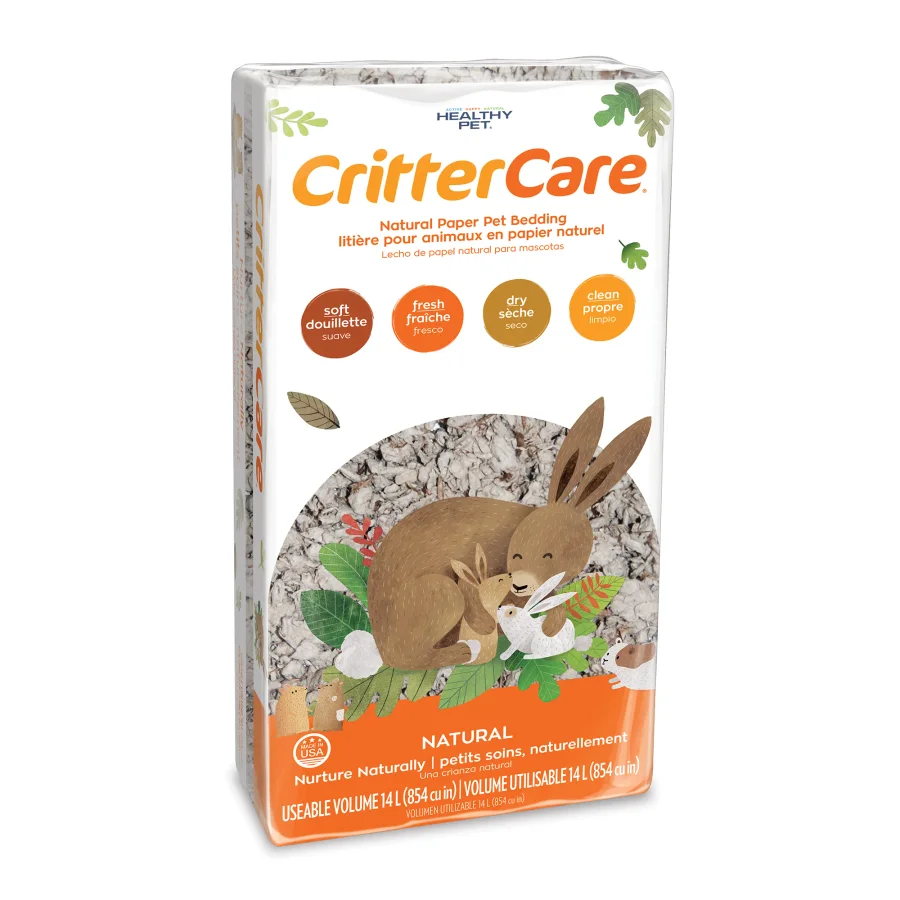
A natural paper bedding from Healthy Pet with no added scent listed on the product page. Its loose format can provide softer footing than pellets, but it needs routine spot cleaning and may be best over a more absorbent base in high-output boxes.
Why we recommend it
A credible starter alternative for shoppers who want a plain paper bedding with a manufacturer product page.
Pros
Cons
Best for